































South Korean auditors are already in Lithuania: companies seeking to expand their exports to Asia are being assessed
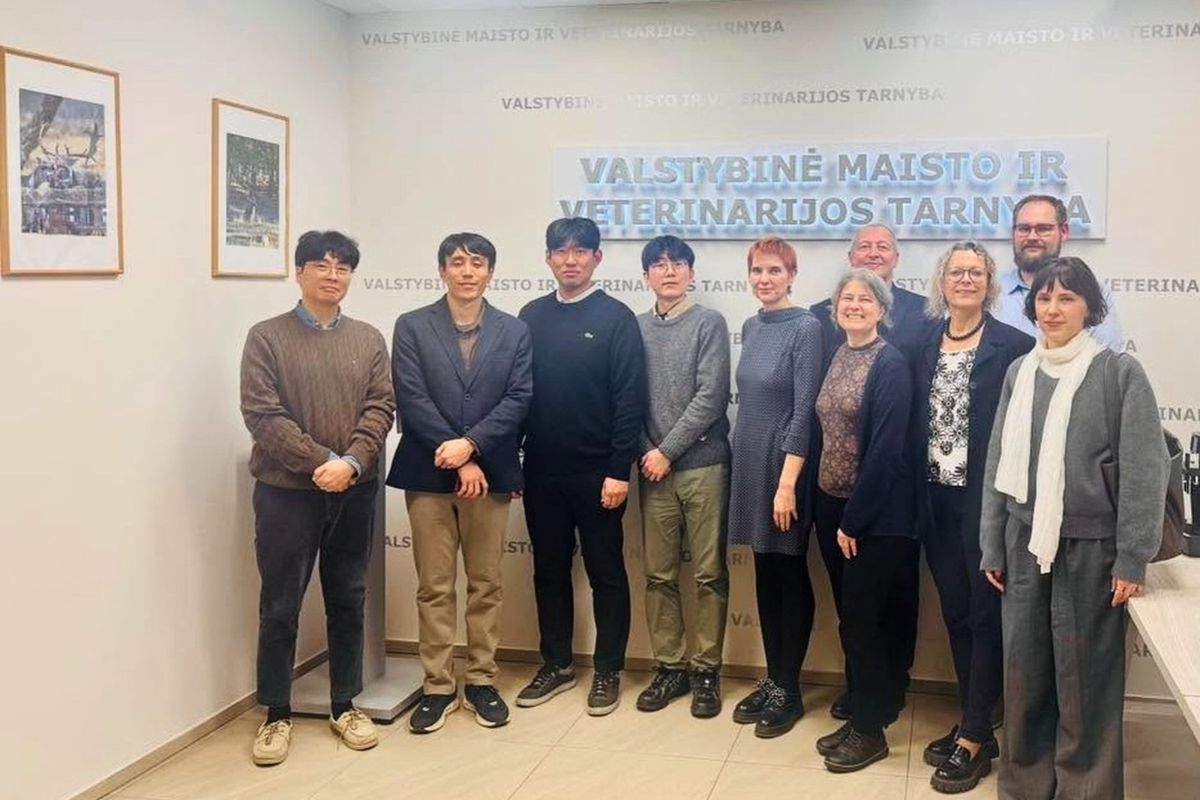
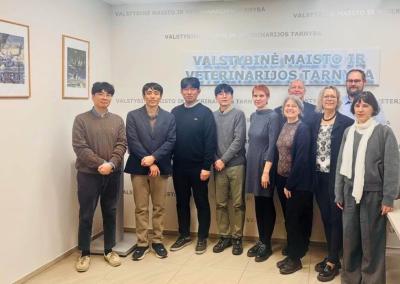
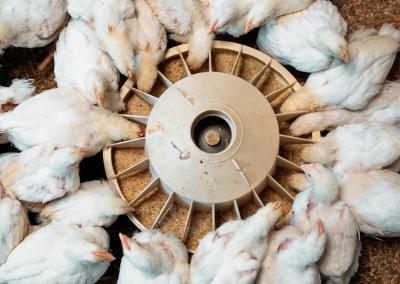
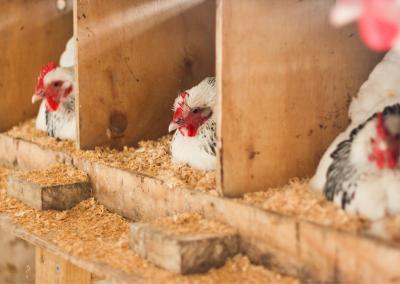
Lithuanian producers now have the opportunity to expand their trade in one of Asia’s most important markets. Auditors from South Korea’s Ministry of Food and Drug Safety (MFDS) and the Animal and Plant Quarantine Agency (APQA) are visiting Lithuania from 12 to 18 November. They are assessing the readiness of one poultry production company and three pet food manufacturers to export their products to South Korea.
If the assessment is successfully passed, another Lithuanian poultry company could gain the right to export to South Korea, whilst the three pet food manufacturers – gain or retain the opportunity to supply their products to this market.
South Korea imposes strict veterinary requirements on imported poultry meat. Therefore, simply producing high-quality products is not enough to enter this market – it is essential to demonstrate that companies ensure high standards of food safety and effective state control.
Lithuania’s efforts have already borne fruit: in early 2023, following assessments and audits, the first three Lithuanian companies were granted the right to export poultry meat to South Korea. The aim now is to add another producer to this list.
The new requirements have also affected the pet food sector. From the start of 2025, South Korea will require foreign manufacturers exporting pet food to the country to be approved by its competent authorities. Consequently, Lithuanian companies wishing to continue or commence exports will also need to undergo an audit.
“Entering the South Korean market is no easy task; it requires consistent effort and adherence to extremely high safety standards. It is important to emphasise that the companies themselves are primarily responsible for implementing these requirements and ensuring ongoing compliance. The State Food and Veterinary Service (VMVT) aims to create conditions for Lithuanian producers to enter international markets, however, the preservation and expansion of export opportunities depend directly on the companies’ own ability to ensure compliance with the established requirements. This market is important for Lithuanian producers, which is why we aim not only to preserve existing export opportunities but also to open them up in new countries and for new companies. “We hope for the best results and the opportunity to provide new business development opportunities for Lithuanian producers,” says Vaidotas Kiudulas, Chief Veterinary Officer of the Republic of Lithuania.
Currently, various dairy products, mainly cheese, poultry meat, pet food and non-animal feed are exported from Lithuania to South Korea.

Similar articles


Video