




























































Foresters set up a unified fire monitoring system to detect fires
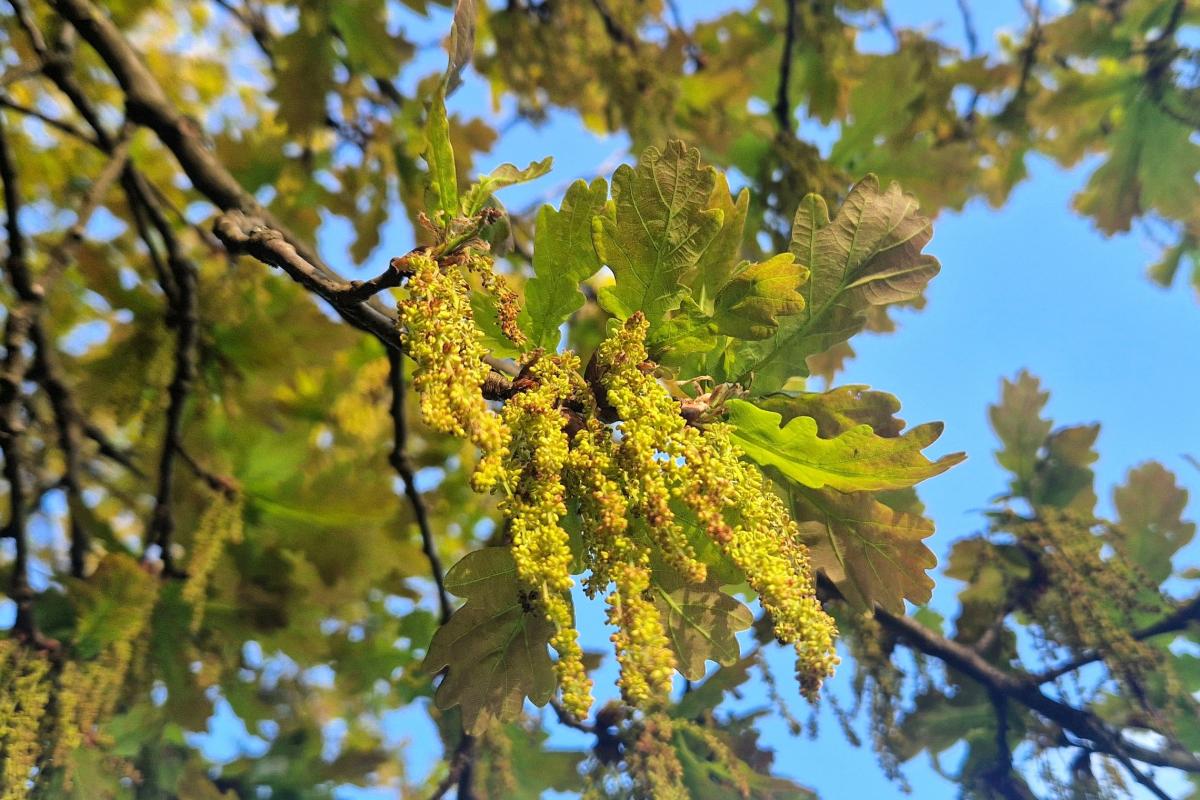
In order to protect forests from fires more effectively, the State Forest Enterprise (SFE) is implementing a unified forest monitoring system that will automatically detect fire hotspots, determine their coordinates and immediately inform the responsible authorities.
The system is planned to consist of 151 detectors and will be based on artificial intelligence, which will enable more accurate distinction between real fires and false signals, according to the VMU.The new generation of detectors will have a range of up to 15 kilometres, which will ensure a wider coverage of the area.
The system is expected to cover more than 1.95 million hectares of forests and be fully operational by the end of 2027.
The MMA stresses that technical solutions alone are not enough to control forest fires, and that responsible behaviour by the general public is essential. Forestry officials urge the public not to tolerate grass burning and to report such incidents.
According to the Forestry Agency, burning grass destroys the topsoil, kills plants and their seeds, insects, reptiles, small mammals, nesting birds and their chicks. Fire destroys natural habitats and disrupts the balance of ecosystems. During dry and warm weeks, even a small flame can spread quickly from grasslands and easily spread to forests, peat bogs, inhabitants' houses or outbuildings.
„Every spring we face the same problem – grass burning, which is often mistakenly thought of as harmless. However, even a small flame can quickly spread and become a serious danger to forests, people's property or even their lives," Valdas Kaubrė, the head of the forestry authority, was quoted as saying in the report.For its part, the Fire and Rescue Department (FRD) stresses that the burning of waste of natural origin is forbidden in towns and cities – there are special collection sites for this. In rural areas, only dry vegetation that has been raked up is allowed to be burned, keeping a safe distance from buildings.
The burning of plants in forests and peat bogs, the building of bonfires and the use of open fires, except in designated and marked fire pits, the throwing of unlit matches, cigarette butts and other objects that could start a fire, is strictly prohibited.
„In order to reduce the number of fires in open territories and to identify the arsonists of last year's grass, the State Fire Supervision Officers are going to settlements, open territories, monitoring them with drones, taking part in raids together with foresters and environmental protection officers,“, – quotes Aurimas Gudžiauskas, the Head of the State Fire Supervision Board of the PRFD.
According to the data of the State Fire Service of Lithuania, 110 fires were registered in Lithuanian forests last year, burning an area of 49.5 ha. This year, foresters have already recorded two fires burning 0.02 ha of forest cover.

Similar articles


Video