



































Sheep farming without illusions: where does the money go in the first year?
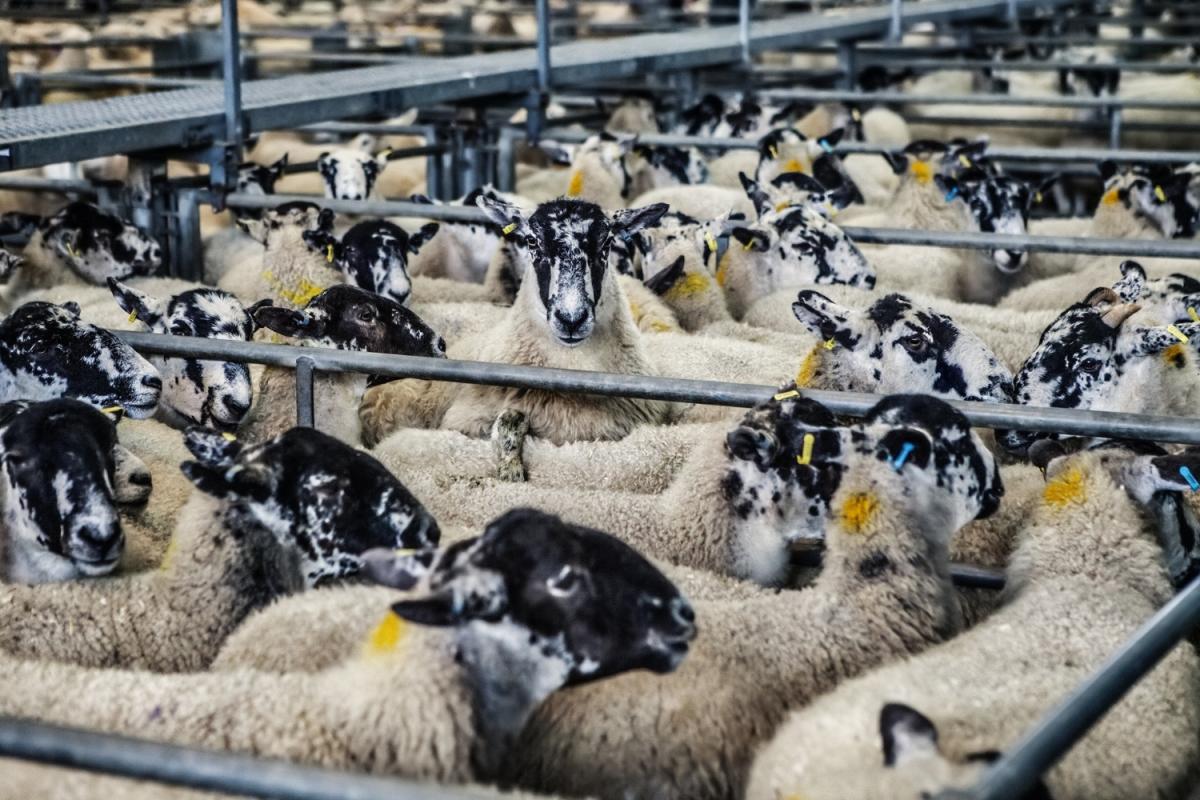
A successful sheep farm doesn't start with buying animals – it starts with numbers, strategy and a clear understanding that this is a long term business, not a quick profit. Experience shows that many new farms fail, not because of poor farming skills, but because of poor initial decisions and over-optimistic expectations.
The first challenge – investment. A small farm with 50–100 sheep can cost around €55–110,000, while a more serious commercial farm often requires an investment of €360–415,000, of which infrastructure alone can cost over €275,000. Even a modest start-up with 30–50 sheep can cost €23–55 thousand. This clearly shows that sheep farming is not a "cheap start", as is often assumed.A much more important aspect – payback. Calculations show that a farm only becomes profitable after about 5 years, so it is essential to have a financial cushion to survive the first years of losses.
Without such a buffer, even a technically well-managed farm can face serious difficulties.
Productivity is not guaranteed either. On more intensive farms, up to 20–25% of lambs may not survive due to disease, climatic conditions or lack of care. This directly reduces income and shows that the quality of animal care is one of the most important factors for profitability.
Successful farms focus on scale and efficiency from the start. In practice, a flock of around 300 & 400 breeding sheep is often the threshold at which a farm becomes more cost-effective, as fixed costs are spread over a larger number of animals.
It is also necessary to choose a clear direction – meat, milk or wool production – as this determines the whole business model.
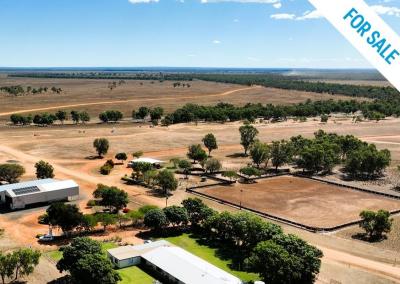
Equally important is the issue of land. Depending on the intensity of grazing, each sheep may need around 0.2–0.5 hectares of pasture. This means that a flock of 100 sheep could require around 20–50 hectares of land. If land is scarce, feed costs increase significantly, which reduces profitability.
The sheep market is large but competitive – around 500–550 million sheep are slaughtered worldwide each year. The largest producers are China, Australia and New Zealand, so smaller farms have to find their niche through direct sales, local production or higher added value.
Cost structure is also important. Fixed costs for feed, veterinary and labour can account for as much as 40–60% of total annual costs. Profitability is therefore not only determined by the volume of production, but also by the ability to control costs and to organise operations efficiently.
In summary, sheep farming is not a quick or easy business. It is a long-term investment, where success depends on disciplined planning, gradual growth and strict financial control. Those who start carefully, increase the flock consistently and manage costs have the best chance of getting through the difficult start-up phase and achieving stable profitability.

Similar articles
Video