




































Sheep are not just for farmers: is it realistic for a family to grow its own meat?
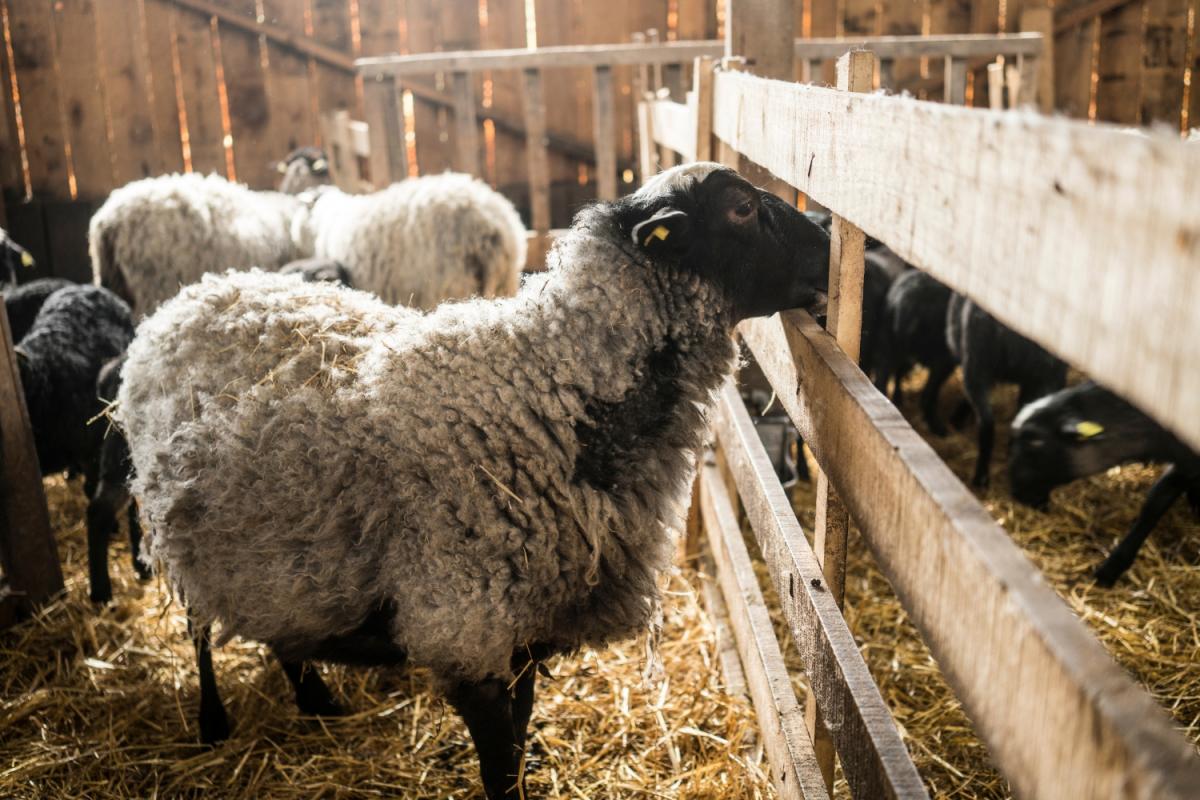
Is it possible to provide meat for the whole family just from your own backyard? Not theoretically, but realistically – with a few sheep, without a large farm and complicated machinery.
In Lithuania, more and more people are starting to ask this question not out of curiosity, but out of need – in search of clear provenance, quality food and greater self-sufficiency. Although sheep farming is still associated with professional farming, practice shows that it can also be a real alternative to family life. But at the same time, it is not an "effortless" solution; it requires not only willingness but also responsibility.
„Sheep farming can be not only a business, but also a real alternative for a family to provide quality food“, says Gintarė Kisielienė, Head of the Lithuanian Association of Sheep Breeders.
How many sheep does a family need?
A small flock of sheep can provide a fairly stable amount of meat for the whole year, she says.
„In terms of practical farming experience, a family of 3–5 people is sufficient to keep about 6–10 sheep. This size of flock allows for a constant supply of meat“, – says G. Kisielienė.
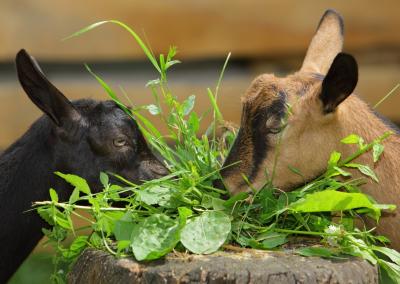
In the meantime, farmer Kristina Milišiūnienė advises starting even more modestly: „You should start with at least 5 sheep. This allows you to gain experience and to understand if this activity is really suitable. It is important to understand that sheep farming is a cyclical process – every year lambs are born, some of them are used for meat and some can be kept to renew the flock. Which breeds to choose? In Lithuania, the most popular meat breeds are Texels, Suffolks, Ile de france and Lithuanian Blackheads. However, for beginners the most important criterion is not productivity. „Much more important is the adaptability of the livestock to local conditions and easier maintenance. For this reason, Lithuanian black cattle remain one of the most reliable choices," emphasises G. Kisielienė. K. Milišiūnienė agrees: „For beginners, it is better to choose less demanding – coarse or black-headed. Specialist meat breeds are a bit better.“ How much land is needed and under what conditions? A small herd does not need a large amount of land, but quality is important. „In practice, for a flock of 8–10 sheep, about 1–2 hectares of pasture is sufficient, but it all depends on the quality of the grass and the organisation of the grazing“, explains G. Kisielienė. Sheep mainly graze outdoors in summer and need shelter in winter. However, this does not have to be a warm barn. Sheep are most comfortable in a cooler room. This can be a shed, but the most important thing is protection from wind and moisture," says the farmer. Daily maintenance – simple but necessary Although sheep are considered one of the simplest farm animals, they are not „independent“. „It is not an activity that can be left to its own devices– it is a year-round process–, – stresses G. Kisielienė. Major activities: „Feed – grass in summer, – hay in winter. Water and lick salt – essential“, – adds K. Milišiūnienė. How much does it cost to keep sheep? Sheep maintenance is often considered inexpensive, but it depends on the farm model. „On average, it costs around €50–120“ per sheep per year to maintain a sheep," says Kisieliene. Major costs: K. "A bale of hay costs about 20 euros. For one sheep, it may be enough for the whole season, but sometimes more is needed.“ Veterinary costs are usually low, but a call-out alone can cost €20–30. When to slaughter and how much meat is available? The amount of meat depends on the age and weight of the animal. On average, a lamb yields about 15–25 kg of carcass“, – says G. Kisielienė. Optimal slaughter time – about 6– 9 months. 8–9 months is considered to be the best time – it achieves a balance between meat quantity and quality“, – she explains K. She also suggests focusing on weight.
Lamb taste – what does it depend on? One of the most common concerns among consumers is the specific smell of mutton. However, both interviewees stress that this is not inevitable. „The meat of young lamb is tender and practically free of a pronounced smell of tallow“, – says G. Kisielienė. A odour is influenced by: „Each meat has its own specific taste. Nowadays, storage conditions have changed a lot, so the taste is different than in the past," notes K. Milišiūnienė. Properly cooked mutton is considered to be a valuable and nutritious meat – it is rich in protein, iron and vitamins. Is it worth starting? Both speakers agree – sheep farming can be a great solution for a family, but only if it is well thought out. K. "The most important thing to understand is that the animal will need to be cared for. And it's also important that the breed you choose suits the person. While at first glance a few sheep may seem like a simple solution, the reality is that it is an ongoing responsibility and a daily chore. They are not just meat in the freezer, but animals that need to be cared for every day, whatever the weather or season. However, for those who are looking for meat that is not only cheaper, but also has a clear provenance and quality, sheep farming can be a sensible choice. The question remains simple – do you want to consume only or are you prepared to grow what you eat yourself?
By the way, you can find these and other recommendations, as well as how to set up a subsistence farm, in the „Natūrinis farmais I Auginam sau“ group.

Similar articles
Video