



































A wet winter won't eradicate invasive trees: experts call for consistent control
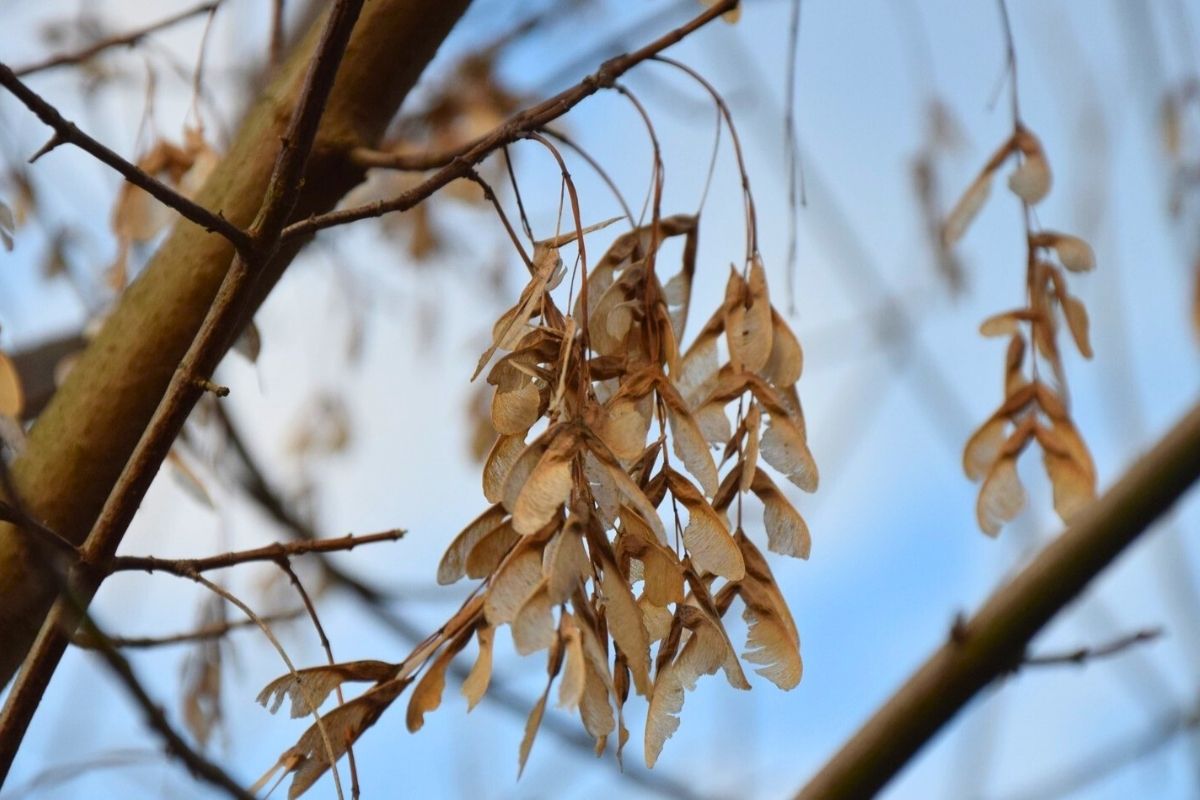
This winter's prolonged cold snap will have no impact on two invasive tree species common in Lithuania - the red maple (Acer negundo) and the white-flowered robinia (Robinia pseudoacacia). According to experts, these North American trees are resistant to both heat and drought. They have been recognised as damaging ecosystems in our country and are listed as Invasive Species in Lithuania, which means that we should not protect them, but eradicate them.
Why not cut them down?
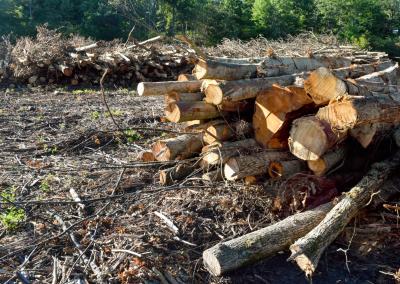
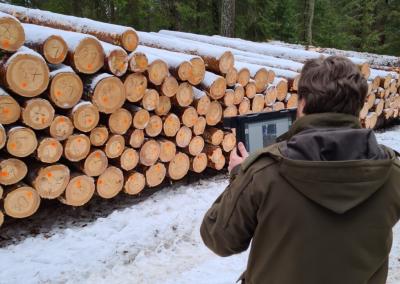
According to Lukas Kovalčikas, Senior Adviser of the Forestry Department of the State Forest Service, winter is the most suitable time for both basic and developmental logging, because animals do not breed, birds do not breed, the plant growing season has not started, and frost protects the soil surface and forest undergrowth from damage and prevents the creation of gaps.
„Wood from trees felled in winter is of a much higher quality, because the tree is „preserved“, its growth has stopped, its water vessels have closed, and therefore it is drier, holds up better, doesn't stain, turn blue, or rot, which is often the case for trees felled in spring or summer“, – says L. Kovalčikas.
This applies only to native Lithuanian tree species. Non-native invasive trees are not felled in winter, because then they produce more offspring in spring and spread more rapidly, which is exactly what the aim is to stop.
Intention is to replant towns and villages
The white-flowered robinia, sometimes mistakenly called acacia, is considered a beautiful and ornamental tree, and reproduces not only by seeds but also by root suckers, which grow from the stump of the tree after it has been cut, or from the roots left in the ground. This invasive tree, especially common in the Curonian Spit, Kaunas, Vilnius, Švėkšna and Druskininkai parks, outcompetes native species and changes the soil chemistry.
The Lithuanian maple, which is widespread throughout Lithuania, is most threatening along riverbanks, forming dense thickets, crowding out native species, and altering the habitats of karst, alluvial and eutrophic grasslands. Seeds entering rivers can be transported over long distances and pollen can cause allergic reactions in some people.
Natural soil trees were introduced to Lithuania as promising, productive and resilient. Jūratė Laukineitienė, Advisor to the Forest Genetic Resources Division of the State Forest Service, recalled that three decades ago, the prevailing opinion in Lithuania was that the Ash Maple would be perfect for landscaping in towns and villages. The seeds of these trees were studied and nurseries specifically bred seedlings of this species.
Eventually, it became clear that the appearance of adult Ash-leaved Maples was of little aesthetic value, that they were short-lived and that they were not suitable for urban planting. However, they have spread rapidly in the foothills, in parks, roadsides and into deciduous forests.
Not easily destroyed
Because of their negative impact on the natural environment, ecosystems and natural habitats, the big-leaved maple and the white-flowered robinia have been recognised as invasive, and their cultivation, propagation, trade and importation in Lithuania are prohibited under current legislation.
Eradication of invasive trees requires special measures, such as drilling out trunks at the start of the growing season and the use of herbicide mixtures. The process can take several years, followed by monitoring. The requirements for invasive species eradication are set out in the Department of Environmental Protection's Invasive Species Control and Eradication Procedures.
Specialists from the Forest Genetic Resources Division of the State Forest Service assess the areas for invasive species every six years by conducting an inventory of plant seed (genetic) plots. If they are found, the plot manager is informed and recommended to take control measures.Specialists stress that winter alone will not solve the problem of invasive trees, as well as other plants; consistent long-term control and a responsible approach to the spread of alien species that are harmful to native ecosystems are needed.

Similar articles
Video