



























































Dangerous advice for gardeners appears every year: the risks may be greater than thought
Every year, as the gardening season approaches, advice on how to "treat" plants with human medications or antiseptics circulates on the internet. Recommendations to spray tomatoes or other garden and horticultural plants with iodine, peroxide or even 'brilliant green' are shared on social networks and even portals. At the same time, fear and mistrust often dominate discussions about pesticides.
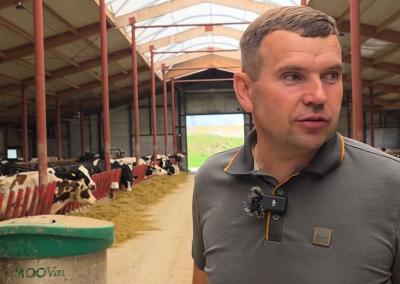
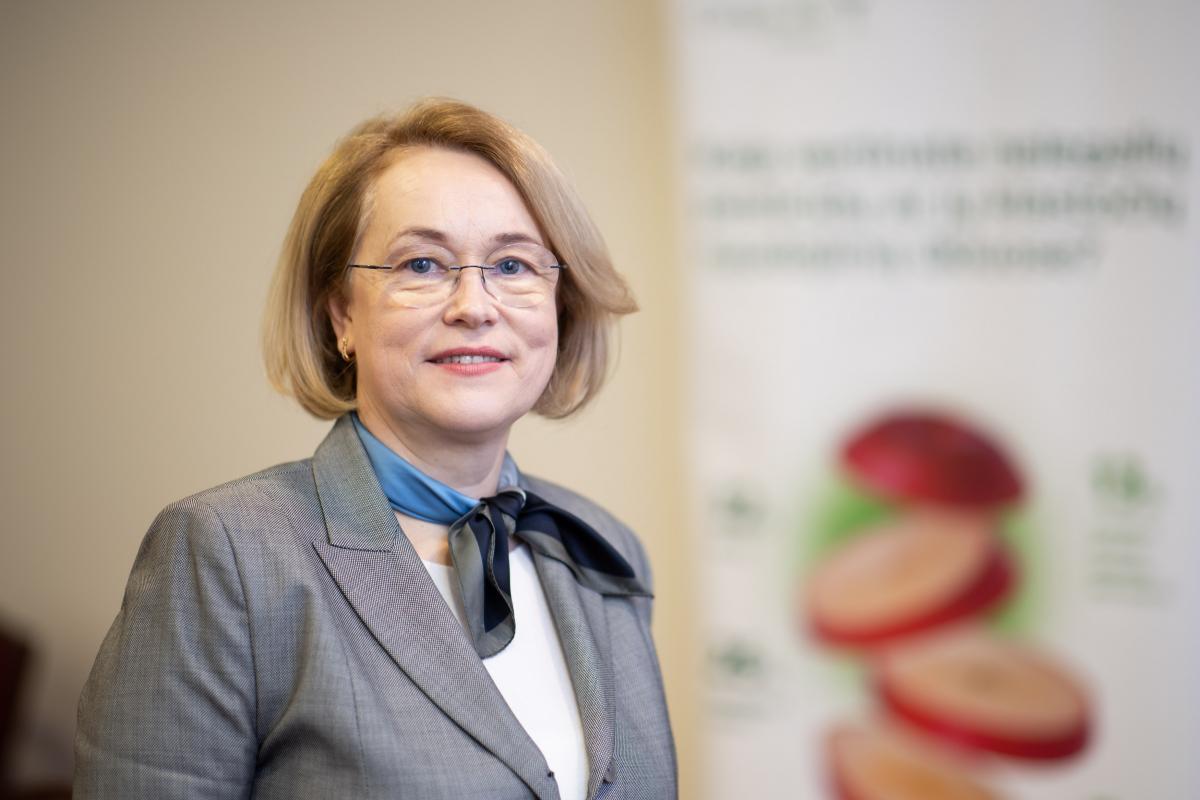
„This attitude reveals a dangerous paradox: we doubt science-based solutions and believe in untested recipes. When it comes to food, we should rely on evidence, not advice from social media. Today, some people are rejecting a system of risk assessment that has been developed over decades, while at the same time experimenting with substances whose effects on plants and the environment have not been evaluated at all," says Z. Varanavičienė.
Material used – toxic and causing long-term effectsOne of the most frequently cited examples is – brilliant green, sometimes presented as a „mild“ or „traditional“ remedy for plants. However, the official safety data sheet for this substance states that it is harmful if ingested, irritating to the skin, can cause allergic reactions, severe eye damage and is highly toxic to aquatic organisms with long term effects. The document also notes that it is classified as an environmentally hazardous substance. Brilliant green is not registered as a plant protection product. This means that no one has assessed what residues may remain in crops, how it degrades in the soil or what long-term effects it has on ecosystems. But paradoxically, we call pesticides "chemistry", while these substances are considered a safer alternative," notes Z. Varanavičienė.
She says that the situation is similar with iodine or hydrogen peroxide – these are antiseptics intended for a completely different use and have never been tested in crop production. Unfortunately, such advice to gardeners often makes no mention of the potential harm to the environment and to humans. Registered products go through a long and rigorous evaluation process Unlike „folk“ solutions, registered plant protection products go through a complex and lengthy evaluation process. To register an active substance, dozens – often 40 – 100 – different studies are carried out: effects on the user, consumer, soil, water, bees, birds, fish, as well as residue formation and degradation are assessed.
The research and evaluation process can take around seven years or more, while the evaluation of an active substance by the European authorities often takes several more years. Dozens of active substances, including biological ones, have been banned in the EU over the last few years, and the number of new approvals remains very low.„The system operates on a precautionary basis – if there are reasonable safety concerns, the substance is not approved or its use is discontinued. This means that only active substances whose risks have been assessed and managed remain on the market. By using off-label substances at this point, we are essentially bypassing this whole system of protection," says Z. Varanavičienė.
She recalls that even seemingly „innocent“ things like coffee grounds or pitch have been evaluated and not approved for use in crop production because of their hazardous nature.
Double standards reduce safety
Z. According to Ms Varanavičienė, the public normalisation of off-label uses is harmful. It is important to maintain critical thinking when it comes to food, she said, and decisions to use certain products should be based on clear data, not just personal recommendations or
opinions.
„Risk is not a matter of opinion – it is either assessed according to clear criteria or not. Registered plant protection products go through a rigorous screening process to ensure that their effects are known and controlled. When we instead choose substances that are not approved for this purpose, we simply don't know what the consequences could be for humans and the environment," warns Z. Varanavičienė.