

























































When there's too much meat on the market: 30 000 pigs to be disposed of in Switzerland
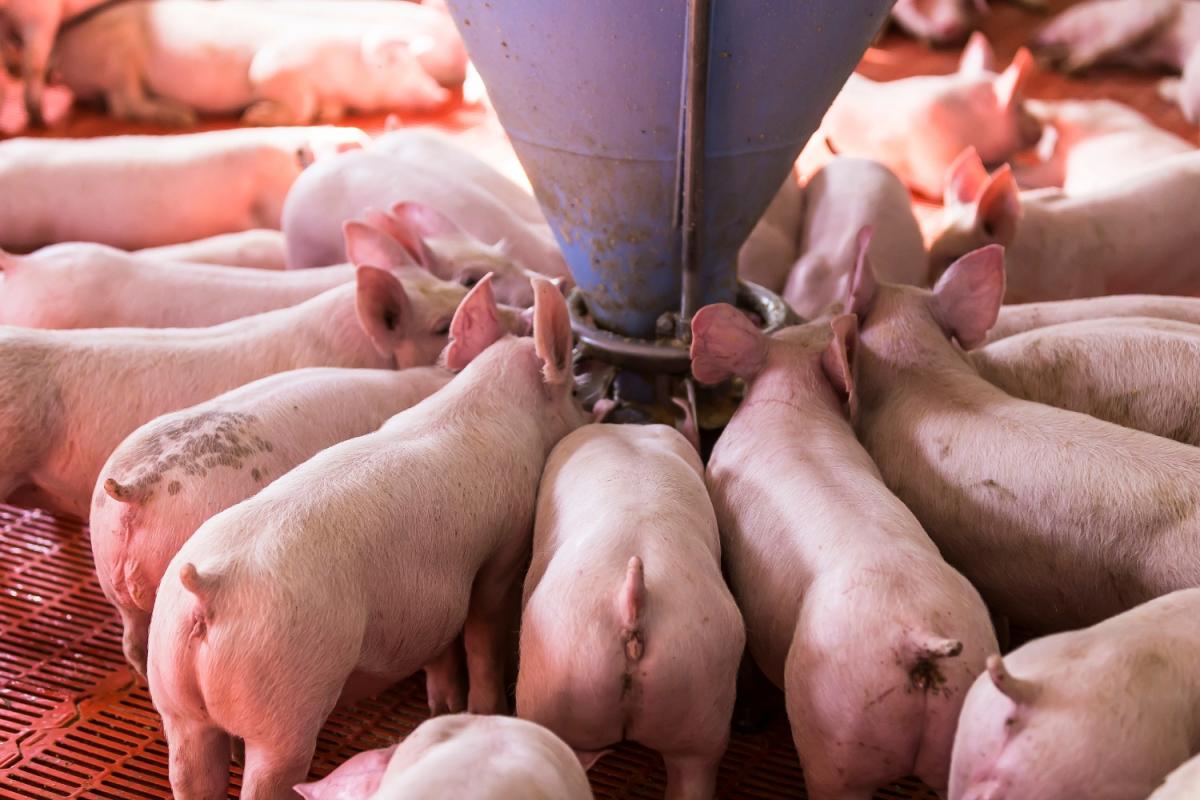
Switzerland's pig sector is experiencing a surplus of production. The country is therefore planning to slaughter 30,000 pigs, the meat of which will simply be disposed of. According to the Swiss Pig Breeders' Association „Suisseporcs“, more pigs are entering the market every week than the domestic market can absorb. Around 48 000 pigs enter the slaughterhouses each week and the market demand is around 44 000 animals per week. This means that there is a weekly surplus of around 4,000 to 6,000 pigs.
As a result of this situation, the Swiss pig sector is planning to withdraw about 30 000 piglets and fattening pigs from the market. The plan is to slaughter them earlier than usual to prevent them from entering the domestic market. This measure is intended to reduce oversupply.
In Switzerland, pork is the most consumed meat. The average consumption of pork in the country is around 20 kg per capita per year.
The oversupply situation is also reflected in prices. The average price of pigs for slaughter has fallen from around €4.96 per kilogram to around €3.63 per kilogram, representing a decrease of around 27%.
The sector estimates that the potential economic losses could be around €220 million per year if production volumes were not reduced.
Market stabilisation measures are planned to be financed by the industry itself. Temporary contributions are foreseen for this purpose: around €0.73 per kilogram live weight for piglets and around €0.24 per kilogram carcass weight for slaughter pigs.
In addition to short-term measures, solutions to reduce production are being considered. These include the elimination of around 2 000 breeding sow places and a reduction in piglet production capacity.
Swiss farmers currently produce around 53 000 pigs per week for slaughter, while the market needs around 44 000 animals.

Similar articles




Video