
























































































Bluetongue virus spreads: new outbreaks in cattle herds cause concern

New outbreaks of bluetongue have been confirmed in cattle herds in the German state of Hessen, and veterinary authorities warn that the virus is continuing to spread both within the country and across Europe. This is yet another signal that the livestock sector needs to prepare for a long-term fight against this insect-borne disease.
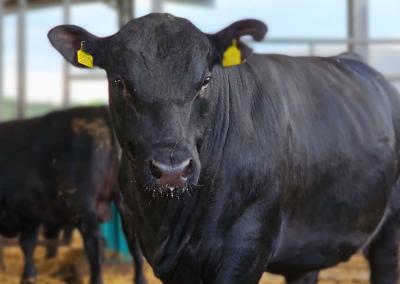
Blue tongue virus is a dangerous infection that affects cattle, sheep and other ruminants. Although it is not dangerous to humans, it can cause serious economic losses on farms – fever, mucous membrane damage, fertility problems and a drop in milk yield.
In Germany, the disease has spread very rapidly in recent years. In 2024 alone, 1 885 outbreaks of bluetongue have been recorded in the country, compared to only 23 in 2023. This reflects the rapid spread of the virus, especially in the western and central parts of the country, including the Hessen region.
The situation remains tense in the 2025–2026 season, with outbreaks expanding across Europe. Cases have been reported in at least 13 European countries. In addition to Germany, they have been registered in France, Italy, Denmark, Poland and Spain. In France alone, more than 1 100 cases were confirmed in July 2025, compared to only 13 in June.
The virus has already reached Poland and the United Kingdom. In the UK, some 290 cases have been confirmed between July 2025 and February 2026, mainly in cattle herds in England. Meanwhile, between 41 and 63 outbreaks have been identified in Poland in 2025. The number of cattle on farms ranged from a dozen to more than 50.
Experts stress that the disease is spread by blood-sucking insects – machetes, which makes it difficult to control, especially in the warm season. Vaccines are considered the only reliable protection against severe forms of the disease and economic losses.
Hessen has around 400,000 cattle and 165,000 sheep, so each new outbreak poses a direct threat to the region's livestock industry. Veterinary authorities are urging farmers to step up vaccination of livestock and to monitor the health of their herds, as the virus can spread even in the absence of clear clinical signs.
New outbreaks in Hesse show that bluetongue virus has not yet reached its peak in Europe. The increasing number of outbreaks and the wide geographical spread of the disease make it likely that it will remain one of the biggest threats to cattle and sheep farms across the continent in the coming years.