

















The dairy sector in Europe: price differences and challenges for Lithuania
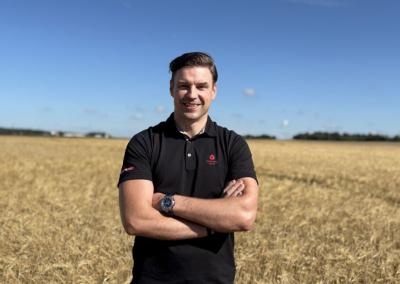
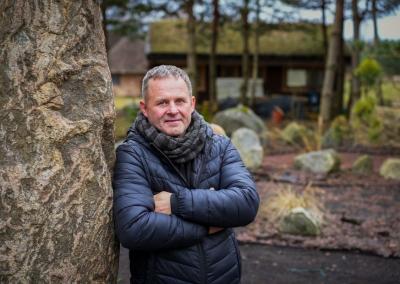
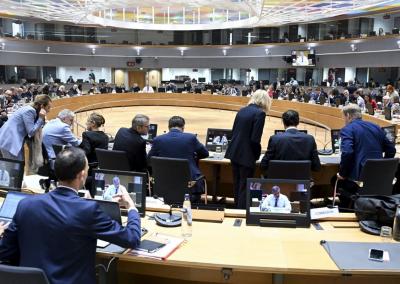
Europe's dairy sector is facing increasing challenges today, from price volatility and climate change to generational change. These topics were discussed at a working group meeting organised by the Council of European Young Farmers (CEJA) in Brussels, which was also attended by Vytenis Grigas, Vice-Chairman of the Lithuanian Chamber of Agriculture (LCA) and board member of the Lithuanian Young Farmers and Youth Union.
He said that the discussions highlighted one issue of particular importance – the wide disparity in milk purchase prices between European Union countries, which has a direct impact on the competitiveness of farms.
Differences in milk prices in Europe remain high
European Commission data show that the average EU farm-gate milk price at the beginning of 2026 was around €47 per 100 kg, but price differences between countries remain very high.
In some countries, farmers receive more than €55–60 per 100 kg, while in others – much less. Lithuanian farmers are often among those who receive lower prices.
In addition, prices have experienced considerable volatility in recent years. For example, by the end of 2025, milk purchase prices in Lithuania will have fallen by around 26% compared to 2024, compared to an EU average of around 12%.
This shows that the Lithuanian dairy sector is much more sensitive to market changes than in many other EU countries.
Vytenis Grigas: the problem is not just price but also structure
According to Vytenis Grigas, Vice-Chairman of the EAA, the discussions in Brussels focused on the generational change and the future of the dairy sector.
„The dairy sector in Europe remains very important, but it faces serious challenges: price volatility, rising production costs, environmental requirements and an increasingly complex generational change. Young farmers are increasingly asking whether dairy farming is worth taking up," said Mr Grigas.
The structure of the sector in Lithuania makes these challenges even more pronounced, he said.
„In Lithuania, we have many smaller farms, weaker co-operation and a highly concentrated processing sector. This means that farmers often have less bargaining power and receive a lower price for raw milk," notes V. Grigas.
Milk production in Europe is growing, but the market remains volatile
European Commission experts estimate that milk production in the EU will increase slightly by around 1.6% in 2025, but that the changes in production of different dairy products will be uneven.
For example:
- butter production grew by around 6%,
- production of skimmed milk powder – around 4%,
- but production of drinking milk declined by about 1%,
- and condensed milk – even more than 10%.
This shows that the market is adapting to global demand, while at the same time becoming increasingly dependent on products for export.
What could Lithuania do?
According to Mr. Grigo, if Lithuania wants to preserve dairy farming as one of the most important branches of agriculture, a number of strategic actions are needed. Co-operatives help farmers in many EU countries to obtain better prices and more bargaining power in the market. A large part of Lithuanian milk is exported as raw material or as low value-added products. Young farmers often avoid dairy farming because of high investment and unstable incomes. According to Mr Grigas, Lithuania needs to be more proactive in raising the issue of price inequalities at EU level. „It cannot be the case that in the same single market, farmers in some countries get much more for their milk than those in others. This distorts competition and makes the sector less attractive to the younger generation," he said. The future of the dairy sector – a strategic issue The discussions in Brussels also focused on the EU's future livestock strategy, which is expected to be presented later this year. It could have a major impact on the future of the dairy sector in Europe. Lithuania should take an active part in these discussions, said Mr Grigo. „Lithuania's dairy sector is not only the backbone of the economy, but also of rural vitality. If we fail to ensure competitive conditions for farmers, we risk losing the whole sector," the EAA Vice-Chairman stressed. He said that the main objective should be clear – to develop a dairy policy that ensures stable incomes for farmers and maintains a vibrant Lithuanian countryside.

Similar articles

Video