




















































































Spoilt food, dirty kitchens and misleading labelling: what thousands of consumer reports have revealed
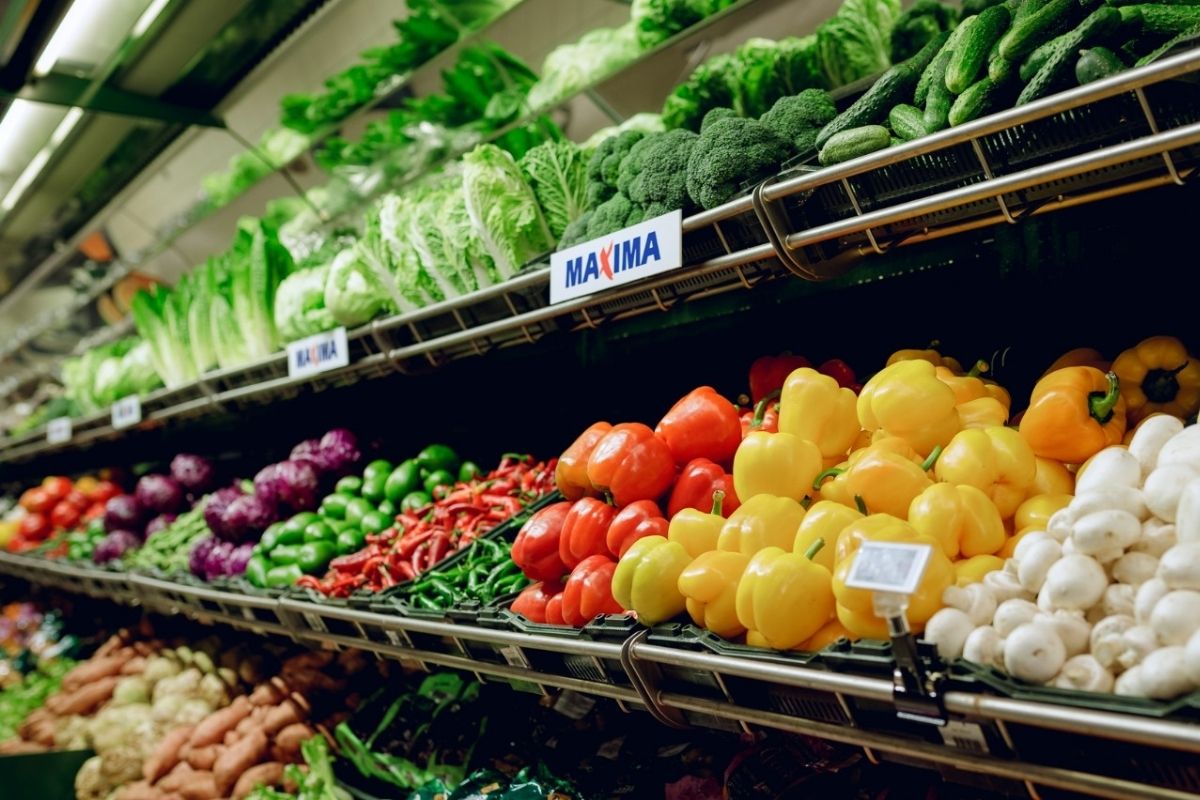
Rotten food, untidy premises or expired products – these are the problems that consumers are facing more and more often, according to recent data. In 2025, the State Food and Veterinary Office (SVVT) investigated several thousand consumer reports related to food safety, quality, trade and catering services. More than 3.8 thousand reports of possible irregularities in the food sector were received during the year, up 66.3% from 2.3 thousand in 2024. This increase reflects not only problems in the market, but also increasing public activism.
According to Ramunė Jakubauskienė, Advisor to the Surveillance Department of the VMVT, consumer reports allow for more accurate identification of risky areas and for the targeting of the Authority's attention and human resources where they are needed most. The attentiveness and proactivity of the population contributes to higher standards throughout the food chain.
Analysis of the data for the year 2025 by area of activity showed that the highest number of consumer complaints was received in relation to the activities of cafes, snack bars and restaurants, with 1 028 reports received. Food outlets came second with 374 notifications, followed by pre-school and school meals with 314 notifications.
The HVO investigated 2 444 cases during the year. Of these, 702 consumer reports were fully confirmed and more than 1,500 were not confirmed. The cases that were not investigated were mostly rejected due to insufficient information provided or because the reports fell outside the remit of the VVM.
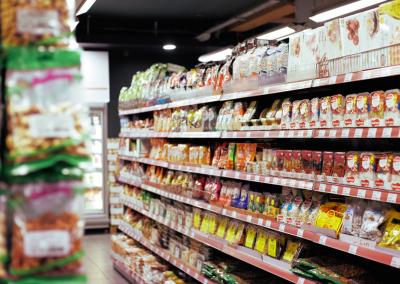
The most frequent infringements detected following inspections by inspectors concerned non-compliance with shelf-life dates (242 cases), inadequate labelling of products (196 cases), and breaches of hygiene requirements in premises (132 cases).
According to all the reports received, including those that have not been confirmed or are still under investigation, the most frequent issues reported by consumers were poor food quality – spoilt or unsuitable in appearance, taste or smell. Contamination of products with chemical, physical or microbiological contaminants, inadequate storage conditions and unhygienic premises were also frequently cited.
In response to these trends, the HVO urges consumers to be vigilant. It is recommended to always check the labelling „Suitable for consumption up to…“ and „Best before…“ before putting a product in the shopping basket, and when buying perishable products, to make sure that the storage conditions are adequate and that refrigeration equipment maintains the correct temperature. It is also important to pay attention to the general cleanliness of retail and catering outlets. If hygiene irregularities are observed or if a dish is found to be unpleasant in appearance, smell or taste, the consumer has the right to refuse it, to request a replacement and to inform the responsible authorities of the irregularities.The HVO stresses that consumer vigilance and activism is one of the most important tools for detecting infringements in good time and for ensuring that safe and quality food reaches people's plates.
Similar articles





Video