































































Farmers' representatives: cold and snow pose risks to crops, but winter conditions are favourable
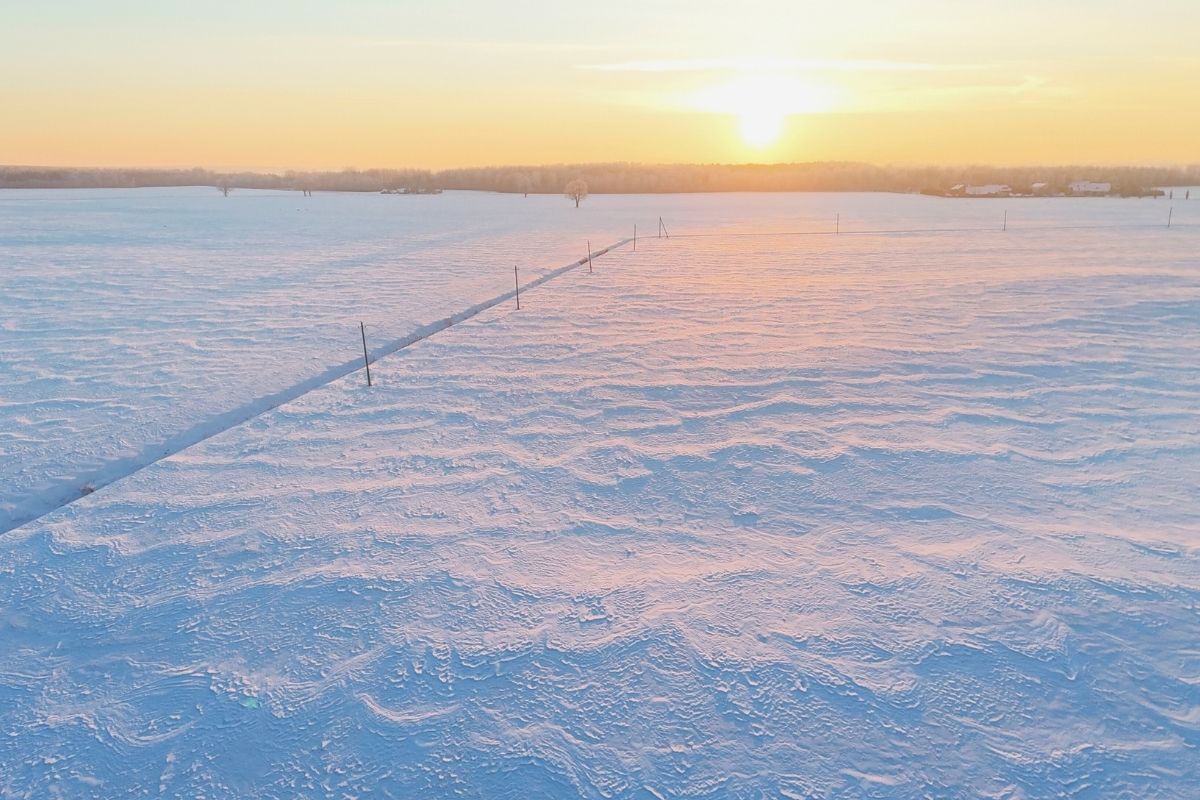
Thick snow cover and freezing cold – such wintry weather, which is not leaving Lithuania, poses risks to crops, but the weather conditions are favourable for overwintering, and it is still too early to draw any conclusions about the potential damage, farmers say.
„The whole of Lithuania is currently covered with snow, including the fields of cereal farmers. December was a typical reflection of recent winters – wet and warm as a winter month, but at the beginning of January everything turned upside down“, – said Audrius Vanagas, Chairman of the Association of Lithuanian Cereal Growers, in a commentary to BNS.
Farmers' representatives say the fluffy layer of snow covering most of Lithuania is a protective and insulating measure for crops against severe cold.„This autumn was favourable in that it first froze lightly, the temperature dropped below freezing, and then the winter crops were snowed in. A layer of snow protects winter crops from freezing, and under the snow they can withstand cold temperatures of up to 20 or 30 degrees," Jonas Vilionis, chairman of the Lithuanian Agriculture Council, told BNS.
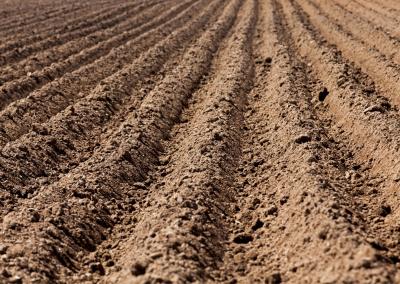
He said the situation was worrying where snowstorms had blown away a layer of snow from the winter crops, leaving bare fields – the crops could be frozen by the frost.
„If (the weather – BNS) thaws and clears out again, there would be a serious thaw, and then it would be very dangerous for winter crops. But where winter wheat is normally rooted and under snow, it should be able to withstand it," said Mr Vilionis.
„Maybe a little worried about the downpour a few days ago, which covered the surface of the snow with a hard layer of ice. Let's hope that this will not cause too much damage," said Vanagas.
With the weather forecasters promising frosts of up to 30 degrees Celsius in some parts of the country, the chairman of the Lithuanian Cereal Growers' Association says the cold is very dangerous for winter oilseed rape crops, winter barley and the more sensitive wheat varieties.
„If it were not for the thick layer of snow, which is currently averaging 20 centimetres or more, it would cause some stress (...). We are now taking the forecast cold weather in our stride and hope that it will not cause any direct damage," explained Vanagas.
„In the absence of snow, cold temperatures directly affect winter crops: they weaken, die and do not survive until spring. On the other hand, when we have a very thick layer of snow, about a metre or more, the crops underneath freeze and die too," said Gabrielle Pšibišauskienė, an agrotechnology specialist, in a press release.
Farmers' representatives: no danger yet, but it's too early to predictAccording to the Chairman of the Lithuanian Agriculture Council, last year's winter was not even a winter compared to this year's, and it is too early to predict how crops will survive this year's winter.
„There is no danger yet, but there are years when crops freeze in spring because, as the snow thaws, the un-frozen winter crops freeze again and become vulnerable. If it thaws suddenly and starts to freeze under a layer of snow, that's not good either, but it's not the case so far," Vilionis told BNS.
A. Vanagos said it is not winter that has caused the most damage in recent years, but temperature fluctuations in spring that affect crops that have woken up too early.„The autumn sowing of crops took place in too wet conditions and the crops did not meet the winter well prepared“, said the Chairman of the Association of Cereal Growers.
„It's still midwinter, and the badger has crawled out of the cave, turned around and gone back to slumber. It's hard to predict the future, but with the amount of snow in the fields, we hope it will melt evenly without burrowing the fields," he added.
Farmers should not be worried about their crops at the moment as the situation is currently favourable for wintering, said Ms Pšibišauskienė.The biggest threat to crops – mould
G. Pšibišauskienė says that the thickness of the ground and the density of the snow, whether it is fluffy or wet, and the period of its melting, are important for the overwintering of the crop.
According to her, a thick layer of wet snow is heavy and less airy, which creates favourable conditions for the spread of spring mould, which in some places can cause damage to cereal crops.
„A good layer of snow has now covered the surface of the ground before it has frozen. Let's hope that this lack of frost will not have any negative consequences and that the crops will get through the winter healthy and without the risk of mould," Vanagas told BNS.
Aurimas Sabeckis of the Institute of Agriculture at the Lithuanian Centre for Agrarian and Forestry Science said the greatest risk of the spread of mould pathogens is when the temperature fluctuates around freezing and the snow cover persists for a month or more.
„Even with erratic snow cover during a wet and erratic winter, more susceptible varieties can also be affected by spring mould pathogens, with the plants suffering from root rot, poor overwintering, or no overwintering at all,'' Sabeckis said in a statement.
„On the other hand, once spring arrives, a vigorous plant, even if it has lost its leaves due to spring mould, can grow back quite well and emerge when vegetation resumes“, – he added.Under a thick covering of snow, conditions are also favourable for the presence of the marsh rodent: „If the ground is not frozen, they dig burrows and feast on winter rape.“
Similar articles


Video