





















































Up to 90% of the costs of damage caused by wolves
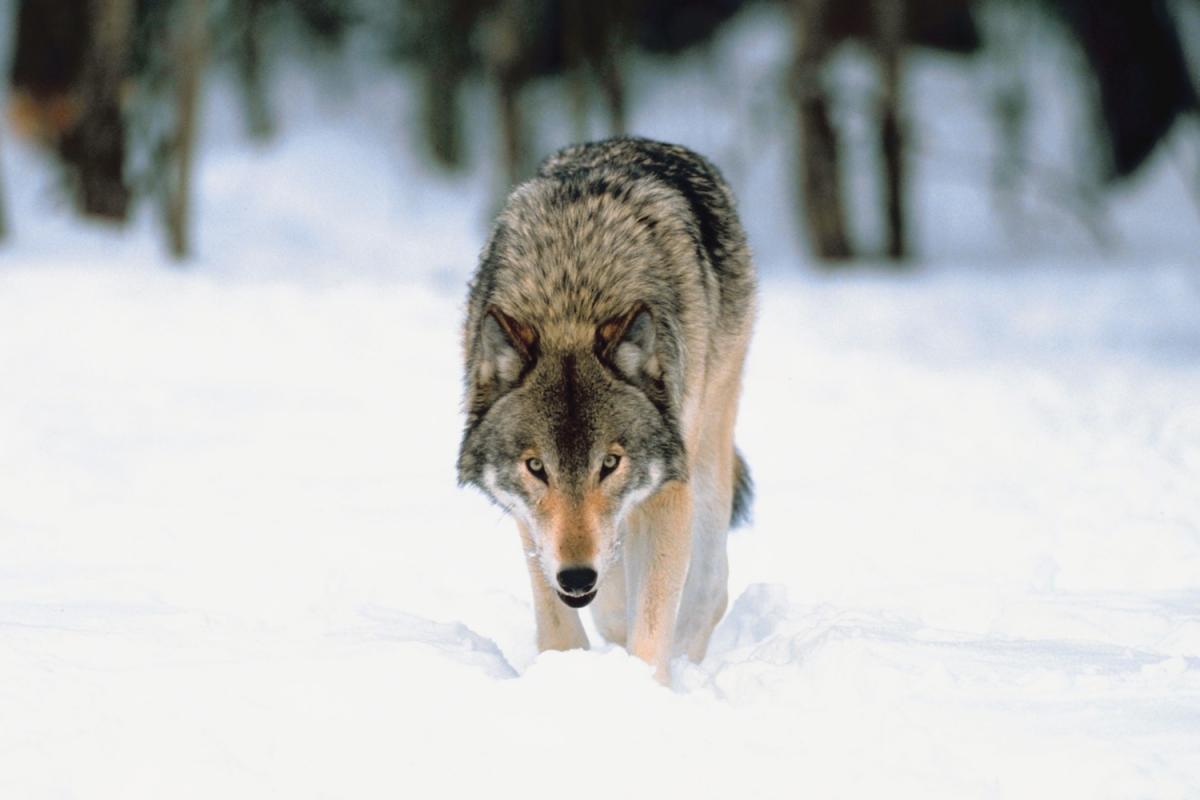
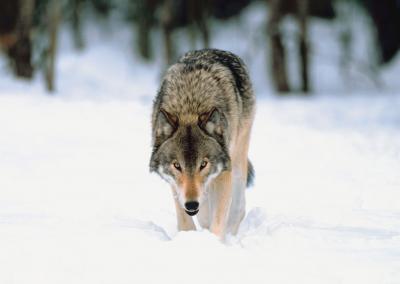
In winter, when small prey is scarce in the forests and big game becomes harder to hunt, wolves start to move closer to farms and homesteads. When natural conditions become particularly harsh, domestic animals kept by farmers - sheep, goats, calves - are far less demanding prey for wolves than chasing a moose through the undergrowth.
Wolves usually hunt at night and in the dawn. They do so in a highly organised manner and, with their good eyesight, hearing and sense of smell, are well adapted to hunting. Wolves are most abundant in the forests of Samogitia, south-eastern and northern Lithuania. A hunting wolf pack can roam over an area of up to 1,000 square kilometres.
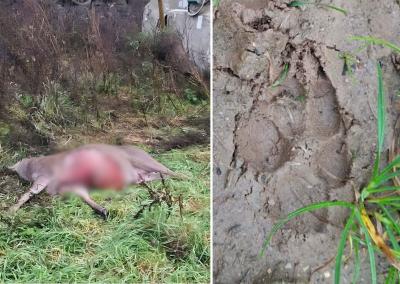
If a pack is starving, it will try to eat for longer when the opportunity arises. Often wolves attacking livestock will kill a few individuals out of hunger, and then, out of instinct or excitement, severely injure the others, leaving them bitten and gutted.
It should be recalled that from 2 February onwards it will again be possible to apply for support for protection against wolves under the intervention measure „Measures to protect against damage caused by large predators“ of the Lithuanian Strategic Plan for Agriculture and Rural Development for 2023–2027.
The support is provided in the form of a grant: for the purchase of a shepherd at a fixed unit rate, and for the purchase and installation of electric fencing, reimbursement of eligible costs incurred.
As a result of the change in the rules for the implementation of this intervention measure, up to 90% of the total eligible costs excluding VAT (excluding the purchase of shepherds) will now be financed.
In order to reduce the administrative burden, the project control period has been reduced from 5 years to 3 years, and the costs of the purchase of a mobile electric net pen are also reimbursed.
Applications under this intervention measure will be open until 31 March
.
Similar articles




Video