














































Paris condemns and Berlin praises the EU's decision to apply the Mercosur agreement
French President Emmanuel Macron said on Friday that the European Commission's (EC) decision to suspend a trade agreement with the South American Mercosur bloc was an "unpleasant surprise".
„For France it is a surprise, and an unpleasant one at that“, – said Macron, accompanied by the Slovenian Prime Minister Robert Golob.
„The European Commission has taken a unilateral decision to provisionally apply the agreement with Mercosur, even though it has not yet been voted on by the European Parliament“, – he stated.
Meanwhile, the German Foreign Minister welcomed the European Union's (EU) decision to provisionally implement the agreement, which he called historic.
With this step, companies and people on both continents will finally be able to benefit from greater prosperity and growth, said Johann Wadefull in a posting on the platform „X“.
„Germany will work tirelessly to help realise the full potential of this historic agreement“, he stressed.
EC leader Ursula von der Leyen announced earlier on Friday that the bloc will implement the giant trade deal with Mercosur while it awaits a ruling by a top court on its legality.
This move by Brussels, announced after Argentina and Uruguay ratified the deal on Thursday, comes despite opposition from France.
„The Commission will now start the provisional application“, – Ms von der Leyen said in Brussels, recalling that member states had given the EU executive the authority to do so.
„Provisional application is temporary by nature, – she noted. The agreement can only be fully concluded once the European Parliament has given its consent.“
She welcomed the ratification by two South American countries as good news.
The EC will now formally exchange information with the Mercosur countries, with provisional application starting two months after this exchange, EU trade spokesman Olof Gill told reporters.
The deal still needs the approval of MEPs, who referred it to the EU's top court in January, days after it was signed.
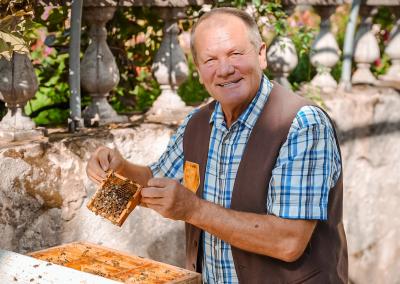
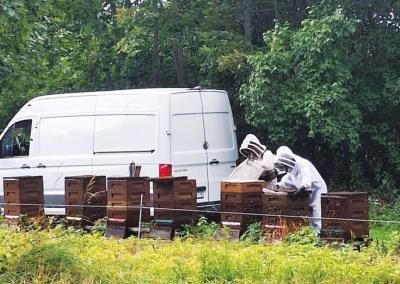
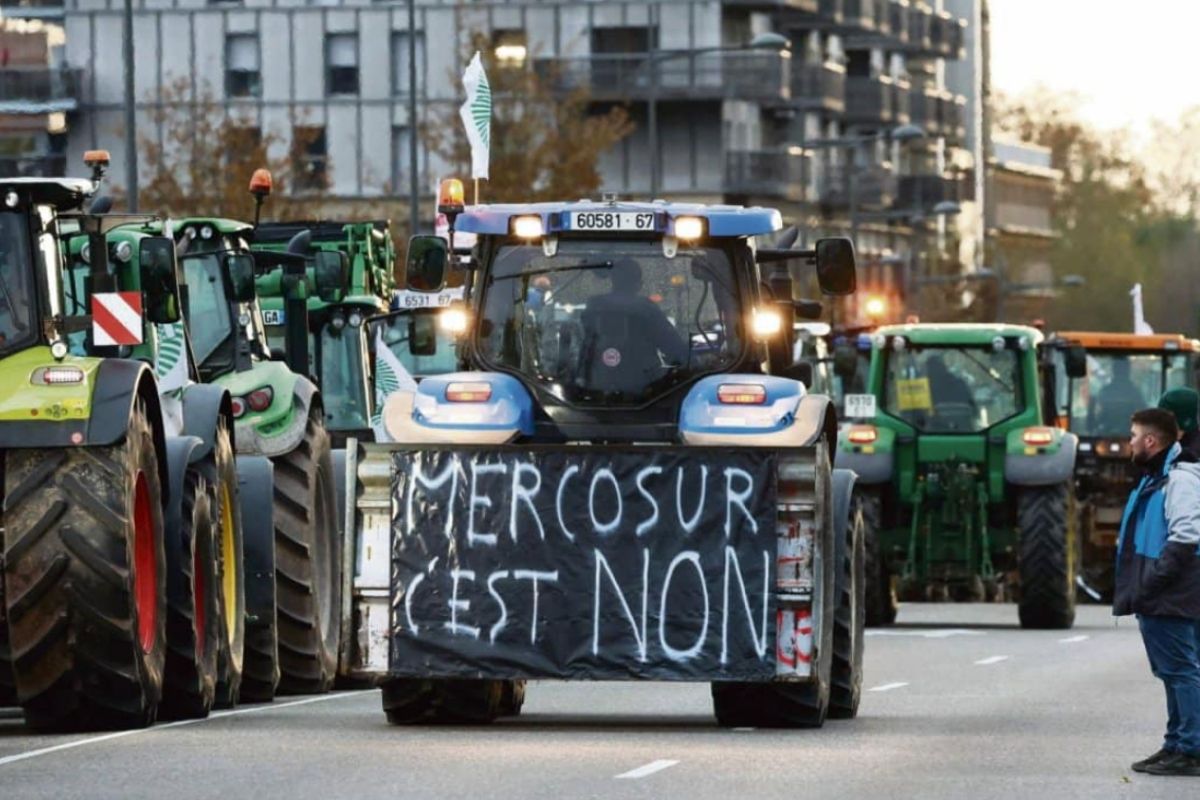
France has led the opposition to the deal and has tried unsuccessfully to block it because of concerns among its farmers, who fear they will be out-competed by cheaper goods from Brazil and its neighbours.
The agreement between the EU and the four founding members of the Mercosur bloc - Argentina, Brazil, Paraguay and Uruguay - has been a quarter of a century in the making.
The agreement creates one of the world's largest free trade areas and eliminates tariffs on more than 90% of trade between the two blocs, which together account for 30% of global GDP and unite more than 700 million consumers.
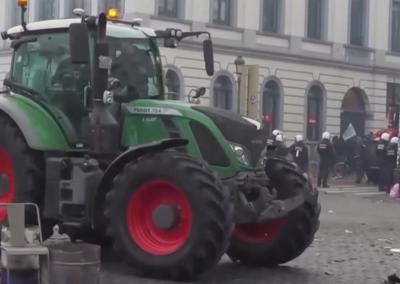
Farmers across Europe remain unconvinced and are protesting, including in Spain, where they staged a protest against the deal earlier this month.
But the EC insists it has taken full account of their concerns by adopting a raft of safeguards for its own producers.
U. von der Leyen stressed that the agreement offers „countless opportunities“.
She added: "It allows our small and medium-sized enterprises to reach markets and scale they could only dream of before.
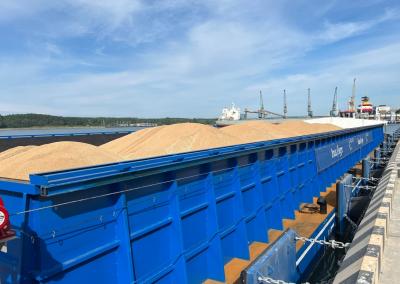
The South American group's main exports to the EU include agricultural products and minerals, while the 27-nation bloc would export machinery, chemicals and pharmaceuticals with lower taxes.

Similar articles



Video