























































China's restrictions on nitrogen fertiliser exports could make food more expensive worldwide
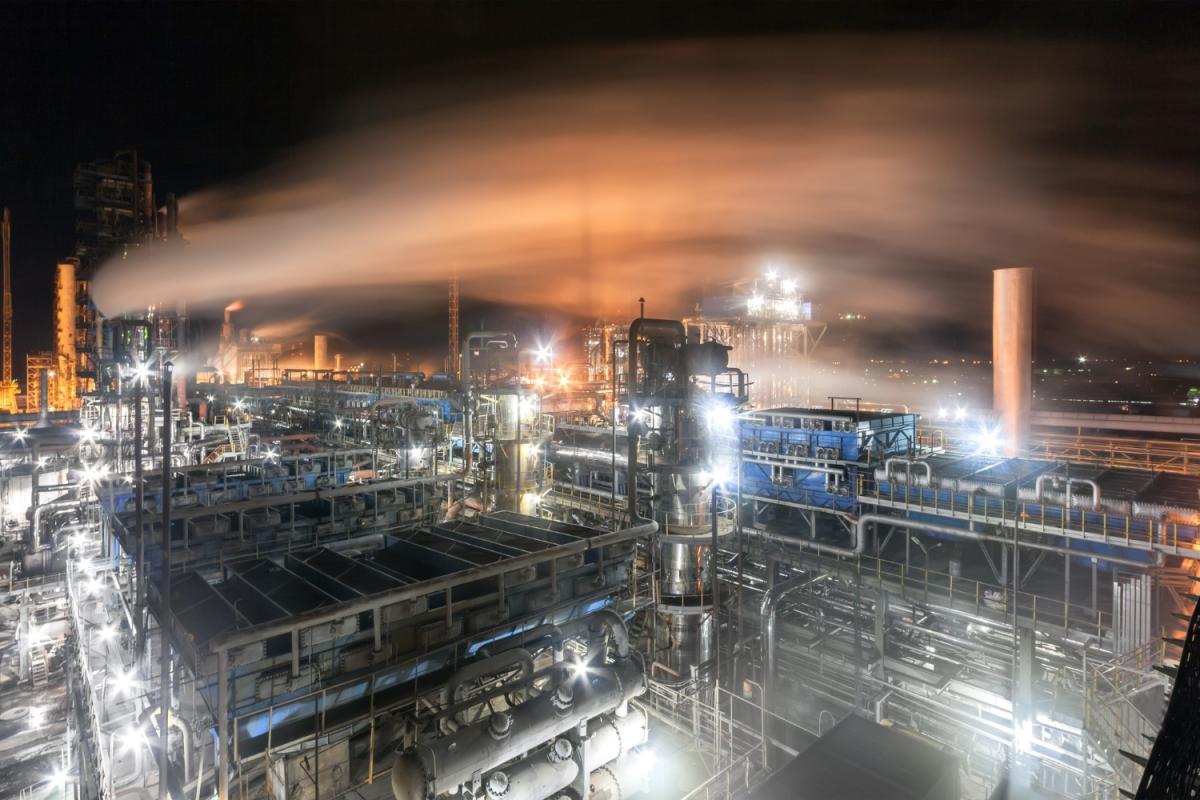
China has severely restricted fertiliser exports, especially nitrogen-based fertilisers such as urea. This decision could have significant implications for global food production and prices, as China is the world's largest producer of nitrogen-based fertilisers and one of the most important suppliers of fertilisers to the international market.
In the period 2025-2026, China produced around 76.5 million tonnes of urea and its fertiliser exports exceeded €12 billion in the previous year. However, in 2026, Beijing virtually halted the issuance of new export permits and tightened export controls even further. It is estimated that between 50% and 75% of China's fertiliser exports could be affected by these restrictions, up to 40 million tonnes of production that used to enter the world market.
The reason for this decision is to ensure sufficient fertiliser supplies for Chinese farmers and to stabilise domestic food prices. The Chinese authorities have traditionally restricted the export of strategic agricultural resources when the domestic market is at risk, as fertiliser is a key factor in crop yields. In some farms, they account for up to 50% of the total cost of crop production, and their high cost is quickly reflected in food prices.
The situation is further complicated by the geopolitical situation. The conflict in the Middle East and the disruption of trade through the Strait of Hormuz, one of the most important routes for the global fertiliser trade, have led to severe disruptions in the supply and transport of raw materials. The Strait is the normal route for about a third of fertiliser transported by sea, and the conflict has already forced some factories in the region to shut down operations.
These factors have led to a rapid rise in global fertiliser prices. Nitrogen fertiliser prices have already risen by around 40% on international markets, and in some regions a tonne of nitrogen fertiliser has surpassed the €534 mark. Analysts warn that if the conflict drags on and China maintains its export restrictions for longer, nitrogen fertiliser prices could rise even further, with some estimates predicting a doubling of prices.
Chinese fertiliser exports are crucial for many large agricultural markets. Brazil, Indonesia and Thailand receive around 20% of their fertiliser imports from China, while Malaysia and New Zealand receive as much as one third. For India, Chinese fertiliser imports account for around 16%, so any restrictions in that country could have a direct impact on crop production costs and food prices.Experts warn that fertiliser shortages could reduce global yields of key crops such as wheat, maize and rice by around 2–5%, which could increase global food prices by 10–30%. This situation is particularly dangerous for developing countries, which are most dependent on imported fertilisers and foodstuffs.At the same time, China is working to protect its domestic market, even releasing fertiliser from its strategic reserves earlier than usual to ensure sufficient quantities for spring sowing and to stabilise prices for domestic farmers. The fertiliser reserves are being used gradually, the Chinese government says, with assurances that it will not run out.

Similar articles


Video