















































From the Persian Gulf to the granaries of Lithuania: the war in Iran threatens a price shock for food and fertiliser
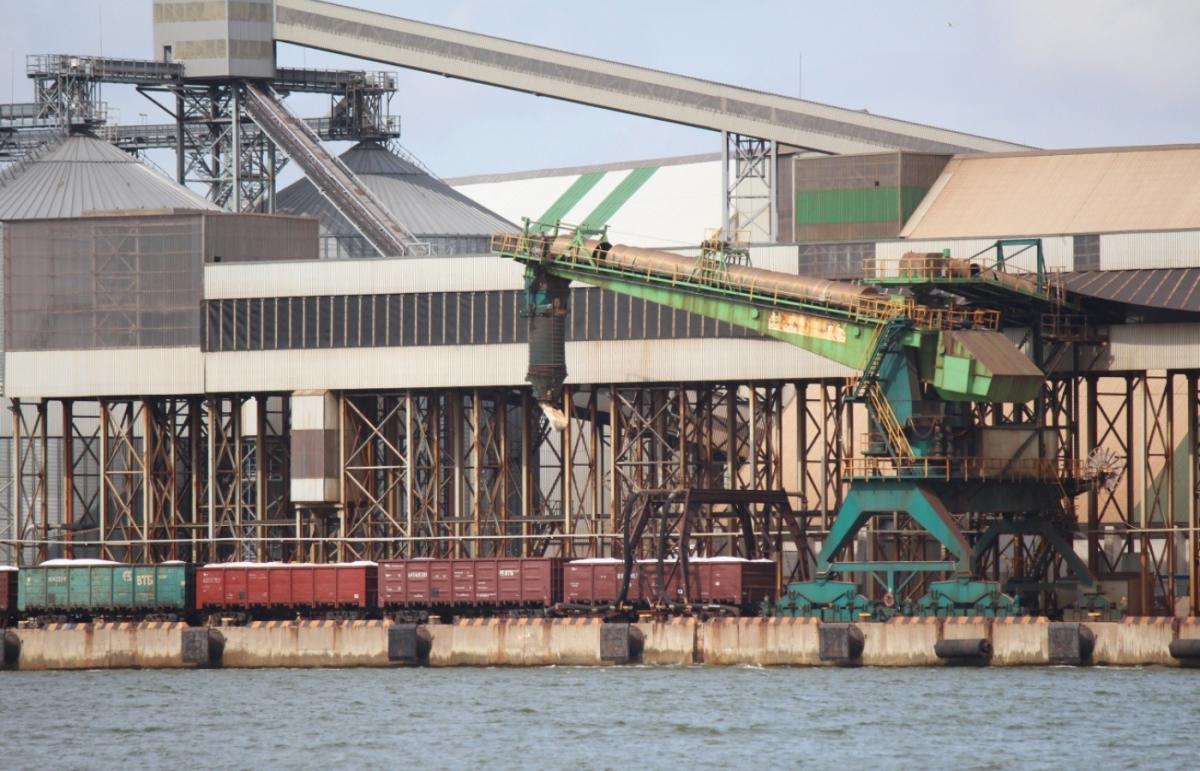
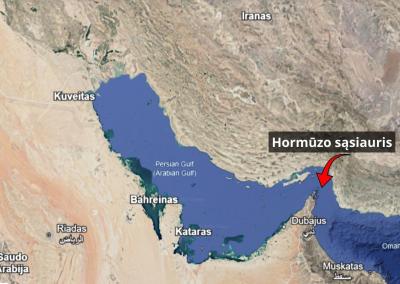
The war in Iran and tensions in the Gulf region have created a serious threat to global food security, according to the Finnacinal Times. With fertiliser supply chains disrupted and energy prices soaring, a growing number of economists and agricultural experts are warning of a possible global food crisis. One of the main reasons is disruption to trade across the Strait of Hormuz. About a quarter of the seaborne oil trade and much of the fertiliser trade routinely passes through this narrow sea route between Iran and Oman.
Fertilisers, especially urea, are one of the most important elements of modern agriculture. Without them, yields of most crops would be severely reduced. Around 180 million tonnes of nitrogen fertiliser are used worldwide each year, and around 55–60 million tonnes of urea are transported by sea each year. The Gulf region is particularly important in this market: Qatar, Saudi Arabia, Iran and the United Arab Emirates, which is at the epicentre of a military conflict, have so far exported up to 40–50% of the world's urea.
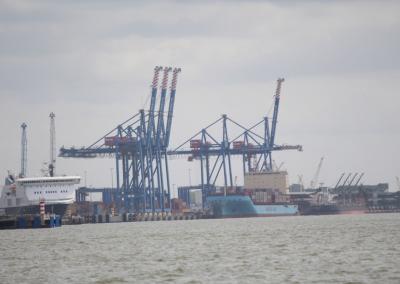
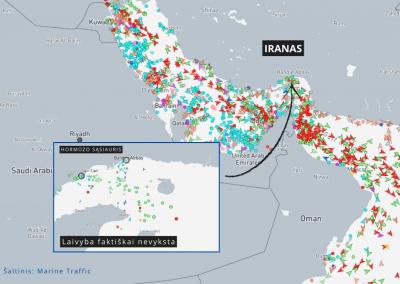
A large part of this fertiliser is exported through the Strait of Hormuz, which typically accounts for about one third of the world urea trade. However, as the conflict has escalated, this route is virtually blocked. As a result, more than 1.1 million tonnes of urea are stranded in the Gulf, unable to reach world markets. Such a supply disruption quickly affects the global agricultural system, as the fertiliser market operates on a time-sensitive basis and large reserves are not usually built up.
The market reaction has been swift. Since the start of the conflict, the price of urea has risen by more than 40%, and in some markets it has even jumped to around USD 700 per tonne. At the same time, prices of other nitrogen fertilisers, such as ammonia, have also risen, reaching their highest level in three years. Fertilisers account for around a quarter of the production costs of most cereal farms, so their high cost directly reduces farmers' profitability and can lead to a reduction in crop acreage.
The problem is exacerbated by the shortage of natural gas. Nitrogen fertiliser production is heavily dependent on natural gas, which is used for the synthesis of ammonia. Some Asian fertiliser plants have already been forced to halt or reduce production due to gas supply disruptions. This has further reduced global fertiliser supply and increased prices.
Experts stress that fertiliser shortages can have dramatic consequences for food production. Some crops can experience yield reductions of up to 50% without sufficient fertiliser. This means that even short-term supply disruptions can affect the entire food chain, from farmers to consumers.
Countries that rely heavily on imported fertilisers are most at risk. India, for example, imports more than 40% of its urea and phosphate fertiliser from the Middle East region. If supplies are disrupted for longer, these countries could face serious food production challenges. A similar situation also faces some countries in Africa and South Asia, which have less financial power to compete for more expensive fertilisers.
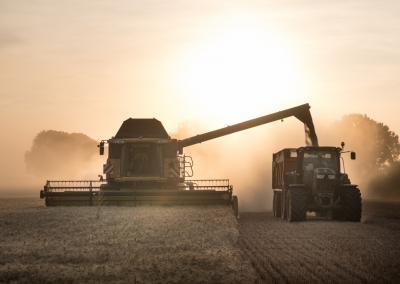
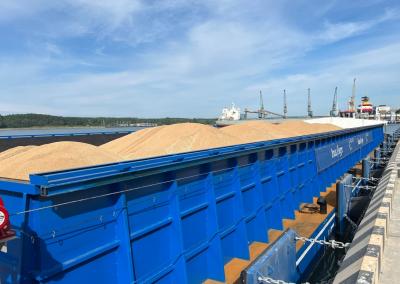
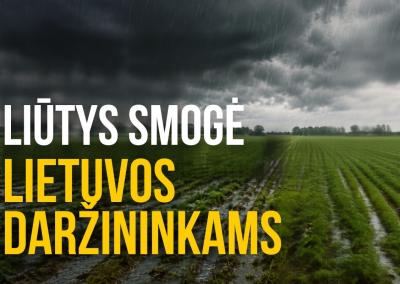
Lithuania is also particularly vulnerable in this respect, as the majority of agricultural production is crop-based and around 5 million tonnes of cereals are exported.
In addition, the conflict also affects energy markets. Oil prices have jumped by more than 20% in the first weeks of the conflict, to over USD 110 per barrel. Energy prices are driving up transport and production costs throughout the food supply chain, from fertiliser production to food processing and logistics.
For these reasons, economists are increasingly talking about the possibility of a new global food crisis that could match or even exceed the 2022 shock caused by Russia's war in Ukraine. If the conflict drags on and the Strait of Hormuz remains closed, the global agricultural system could face one of the biggest supply shocks in decades.

Similar articles


Video