




















ILTĖ figures: 95% of small farms, but how many of them received loans?
ILTĖ, which is seeking National Development Bank status, says that more than 95% of its agricultural clients are small and medium-sized farms. But how many of them actually access finance – remains unclear. The institution does not provide key data: how many farmers have applied, how many have received loans, and how many have remained outside the system. So does a percentage without context say anything at all?
Percentage is – off base
ILTE points out that „more than 95% of agricultural customers are small or medium-sized farms“. However, the authority does not provide at the same time how many such farms applied, how many received funding and how many were rejected. Moreover, when asked directly about the entire financing chain, ILTE replies that it does not have part of the data or suggests contacting its financing partners.
Renata Vilimienė, chair of the Lithuanian Association of Medium-sized Dairy Farms (LAMF), says that the definition of a "small farm" itself can vary widely.
„What do you think a small farm is? For me, a small farm today is up to 30 cows. Perhaps ILTE thinks that a small farm is 100 or even 200 cows. As it is convenient, so they talk," she says, adding that this may be the reason for the percentages, which may not reflect reality.
Loans unavailable to small dairy farms
According to Ms Vilimiene, the real situation in the dairy sector is much more complex than the official figures suggest.
„It is impossible for a small farm to get a loan because it has no financial means to pay it back,“ she says, giving a simple example: „If a person has 10 cows, he receives about 300–400 euros per month. That's not even enough money for feed. There is no question of a loan for such a farm.“
Even slightly larger farms are teetering on the edge of survival, she says:
„If a person has about 30 cows, he gets about €3,000 a month. Feed alone costs about €1,800 a month. What's left?
Farmers' reality: banks refuse, ILTĖ – too
Marius, a small farm owner from Vilkaviskis district, says that getting loans for small farmers remains difficult.
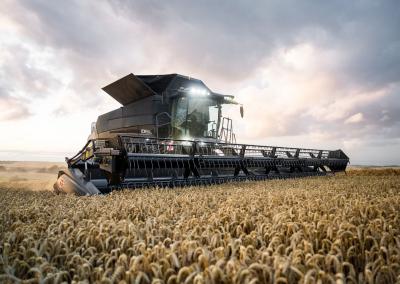
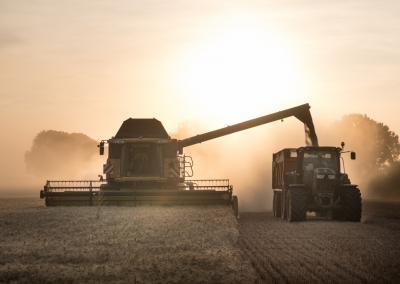
„Last year the big banks rejected my application immediately and I only got a loan from a credit union – and not in my own district“, – he says, and continues: „This year I am looking for financing for a new purchase – a combine harvester. I applied to ILTE – they did not agree. The farm is small, I already have commitments, the expansion is big, but they rejected my application and even advised me to go to other banks and creditors.“
Marius questions the image ILTE is creating.
„According to the rules, they are supposed to fund me if I have at least one rejected application from a bank. My application has already been rejected by one bank, but it was also rejected by ILTE itself. Negotiations with another credit institution are ongoing. I hope they will be successful and that ILTE will at least reimburse the interest," notes the farmer. He says that it is not easy to get a loan for a small farm, but it is possible, and you just have to look hard and work hard.
„95%“ can mean very little
„They present that of the clients are small and medium farms, but what is the sample? How many farmers in Lithuania – 100 thousand? If 1000 farms are given a loan, how many are covered – the 1%?“ – he wonders. Without context, he says, such figures can be misleading: „In the absence of a big picture, percentages say nothing.
Politicians see a similar problem. MP Bronis Ropė admits that there is no clear data on the financing of small farms: „I can't say, I don't have such data. Maybe the Ministry of Agriculture should.“
At the same time, Valius Ąžuolas points to a common problem: „Lithuania stands out in Europe in this respect – access to capital for small businesses is one of the most difficult in the EU.“
According to the farmers' representatives, the problem is not just a matter of statistics – it has a direct impact on the future of the sector.
„Those farms that don't receive investment become uncompetitive and leave“, says V. Buivydas, while R. Vilimienė sums up the situation even more strongly: „Good times will come for the big ones, but certainly not for the small ones. The small ones are working today just to survive.
Parliamentarian K. Mažeika points out that there is no need to pit large, medium and small farms against each other, but stresses that the playing field must be level.
„If a small or medium-sized farm produces the same added value in terms of its size, even if proportionally less, this should still not be a criterion for not receiving support. On the contrary, they should be encouraged," the politician argues. However, according to the interlocutors, the reality today looks different.

Similar articles




Video