































































The reality is that 173,000 hectares of reclaimed land are currently considered to be in poor condition
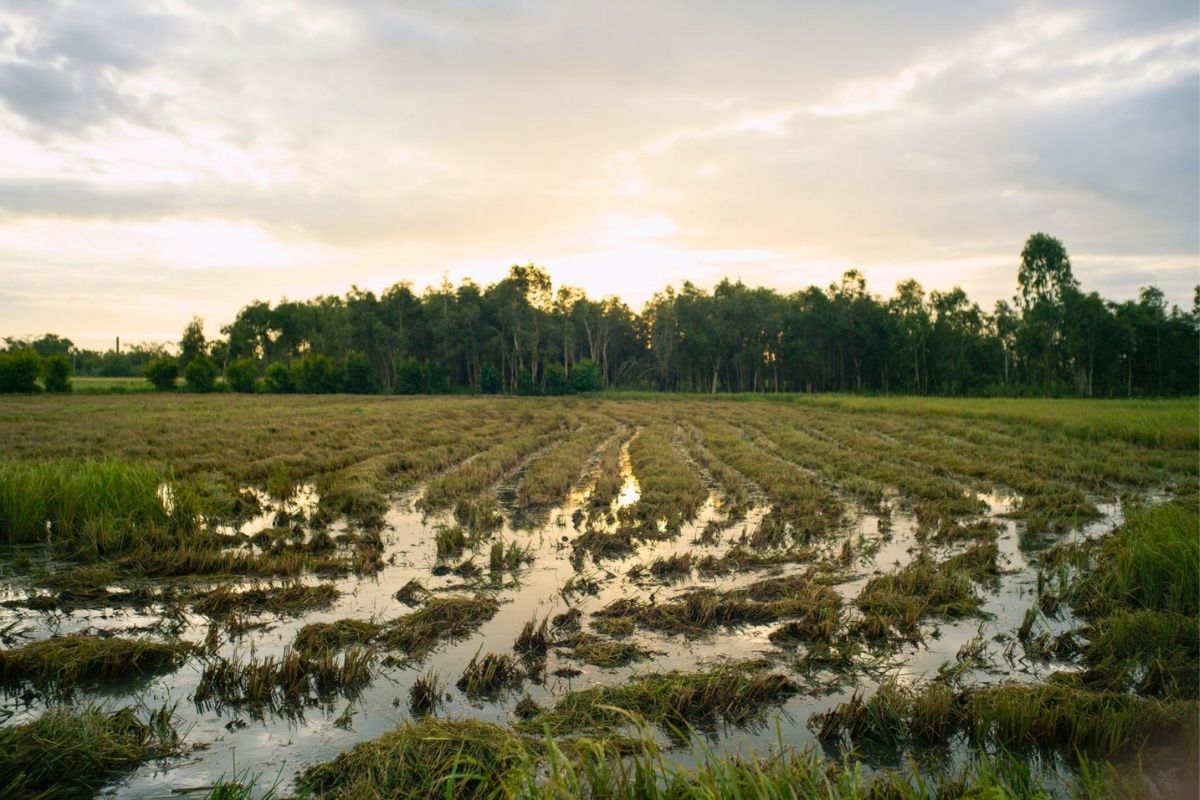
After heavy downpours, many farmers notice standing water rather than their crops. However, the real problem often lies not on the surface – but in the drainage system beneath the soil. Drainage networks, collection points, ditches, culverts and other hydraulic structures determine how quickly the fields dry out and whether work can begin on them in good time.
Consequently, not only the drainage infrastructure itself but also accurate data on its condition are becoming increasingly important.
In Lithuania, around 2.67 million hectares of land have been drained – that is almost 45 per cent of the country’s territory. On this scale, decisions regarding the maintenance or reconstruction of drainage systems cannot be based solely on assumptions. To do this, it is essential to have reliable information on the location of land drainage structures, their condition and where the most significant problems are occurring.
Data is collected and verified in 52 Lithuanian municipalities, using orthophotographic maps, georeferenced data, topographical plans, information from on-site inspections and other spatial data.
At first glance, it may seem that databases or digital maps are only relevant to public authorities. In practice, however, they form the basis for decisions that directly affect farmers’ activities.
Accurate land drainage data makes it possible to identify problematic waterlogged areas, plan the repair or reconstruction of drainage systems, justify the need for investment and reduce the risk when investing in agricultural production.
In other words, the more accurate the data, the fewer decisions have to be made “by eye”.
Lithuania lies within a zone of excess moisture, so waterlogging is a constant challenge. Not every puddle in a field means the problem is caused by heavy rain. Often, the cause is worn-out or damaged drainage systems.
The latest data from the Agricultural Development Centre (ŽŪDC) show that around 173,000 hectares of drained land are currently assessed as being in poor condition. This accounts for more than 6 per cent of all drained areas. Such areas are given priority when planning infrastructure upgrades.

Similar articles


Video