
























































How much do Lithuanian potatoes actually cost?
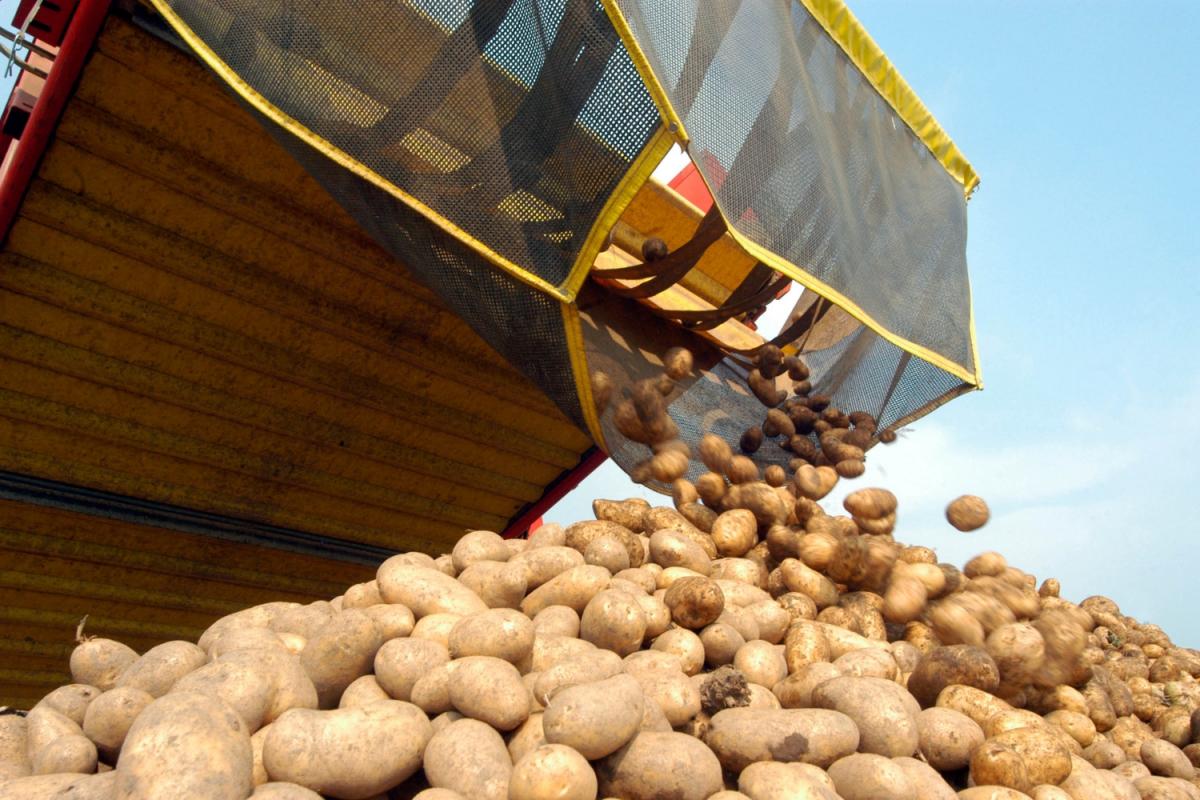
For many people, the first Lithuanian potatoes are one of the most striking signs that summer is on its way. Some enjoy them with butter and dill, others cannot imagine cold beetroot soup without them, whilst others are already planning to make kugel or potato pancakes. However, there is no single answer to the question of how much the new crop of Lithuanian potatoes will cost this summer – their price depends on the point of sale and the stage of preparation.
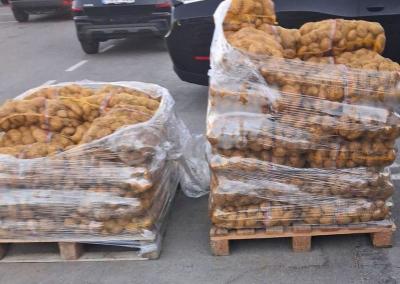
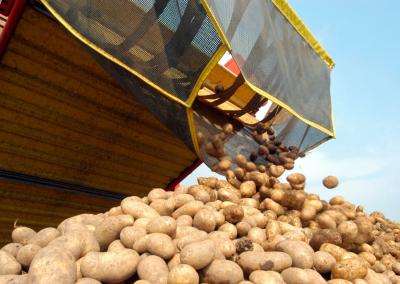
According to data from the Agricultural Data Centre, between 15 and 21 June, unwashed and unpackaged new-crop potatoes sold by growers cost an average of 0.78 euros per kilogram. During the same period, the average price per kilogramme of packaged Lithuanian potatoes in major retail chains was 1.29 euros, whilst at the start of June, the asking price at market stalls was around 2.23 euros per kilogram.
Although the difference in prices may seem significant, a direct comparison is not accurate. Farmers usually sell unwashed and unpackaged potatoes, whereas retail chains offer shoppers a product that has already been selected, sorted, packaged and delivered. Smaller quantities are often sold at markets, and at the start of the early season, shoppers are prepared to pay more for the first Lithuanian harvest.
Although potatoes remain one of the most important staples of traditional Lithuanian cuisine, their consumption has fallen significantly over the past two decades. Whilst in 2004 the average Lithuanian consumed 124 kilograms of potatoes per year, by 2024 this figure had fallen to 81 kilograms. Over the course of twenty years, consumption has fallen by more than a third. Nevertheless, potatoes have not disappeared from the Lithuanian diet – on average, each person still consumes almost 7 kilograms of these vegetables per month.
According to Dr Irma Jankauskienė, Head of the Market Information and Economic Analysis Division at the Agricultural Data Centre, these figures do not indicate that potatoes have disappeared from the kitchen, but rather that their role has changed. The expert explains that consumers today have a much wider choice of food products, but the potato remains a frequently purchased and well-known commodity, which is why changes in its price serve as a kind of barometer for everyday food prices.
What sets this year’s situation apart is that the price received by growers has remained unchanged, whilst potatoes have become cheaper in retail chains. Between 15 June and21 June, the average price of unwashed and unpackaged new-crop potatoes sold by growers stood at 0.78 euros per kilogram – the same as during the same period last year. Meanwhile, the average price of packaged Lithuanian potatoes in retail chains fell by almost 13 per cent – from 1.48 euros to 1.29 euros per kilogram.
Dr Evaldas Stankevičius, Senior Economist at the Market Information and Economic Analysis Division of the Agricultural Data Centre, points out that the price paid by the grower and the price paid by the end consumer do not always move in the same direction. According to him, the retail price is determined not only by the value of the raw material, but also by decisions relating to logistics, sorting, packaging, storage and the supply chain, so it is not possible to infer changes of the same magnitude in farmers’ incomes solely from price changes in shops.
Price differences are determined by the entire journey of the product from the field to the buyer. Before potatoes reach the shelves of supermarkets, they must be selected, sorted, packed and transported. The final price includes the costs of storage, distribution and potential losses. Pricing principles at farmers’ markets are different – here, the initial price asked by sellers is more often fixed, and trade takes place in smaller quantities and often under conditions of limited supply.
An early potato harvest also requires greater investment. In order to bring the produce to market as early as the start of summer, the potatoes have to be planted earlier, protected from spring frosts and, if necessary, watered additionally. As the early harvest is not yet abundant, a larger proportion of the cultivation and harvesting costs is allocated to each kilogram of produce. Prices are influenced by the costs of fertilisers, fuel, labour and irrigation, as well as weather conditions. Frost, drought or heavy rainfall can significantly reduce yields and affect the market situation.
Data for 2026 confirms that there is no single price for Lithuanian potatoes. Over the course of the year, prices varied across different retail channels: they fell in supermarket chains, remained stable at the grower level, and remained largely unchanged at farmers’ markets. Therefore, when assessing the cost of a Lithuanian new-crop potato, it is important to consider at which stage of its journey the price is being measured – on the farm, on a supermarket shelf or at a market stall. Such differences reflect not only the value of the product itself, but also all the additional costs and services that determine the final price for the consumer.

Similar articles



Video