
















V. Grigas: The Nitrates Directive must be adapted to the agriculture of the future
Following the European Commission’s publication of the evaluation report on the Nitrates Directive, the European Council of Young Farmers (CEJA) has set out its position. The organisation acknowledges that, over more than three decades, the directive has made a significant contribution to improving water quality, but emphasises that the most important question today is – whether the current regulations still meet the needs of modern and future agriculture.
CEJA notes that the objectives of water and environmental protection are not in question. However, these must be pursued through measures that take into account changing climatic conditions, the economic viability of farms, Europe’s food security objectives and the varying farming conditions across the European Union’s Member States.
A more flexible approach is needed
Young European farmers point out that agriculture today faces new challenges – market volatility, geopolitical tensions, extreme weather events and rising production costs. Therefore, uniform requirements based strictly on calendar deadlines do not always allow for the best environmental outcomes to be achieved.
CEJA calls for a broader discussion on the more flexible use of organic fertilisers, more precise management of plant nutrients, the implementation of circular economy solutions, and greater support for investment in modern technologies.
This issue is particularly relevant to Lithuanian farmers
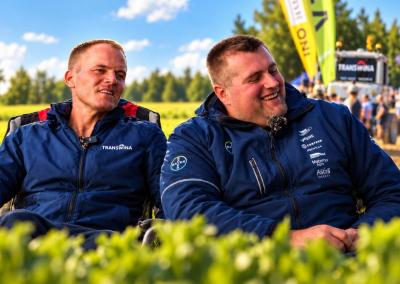
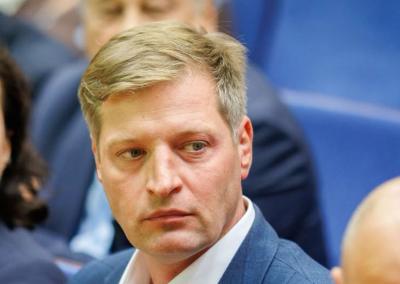
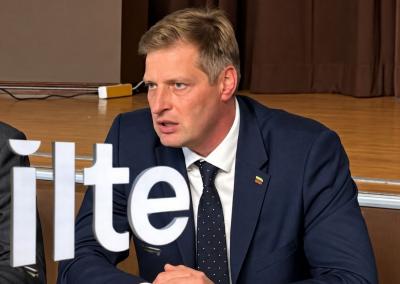
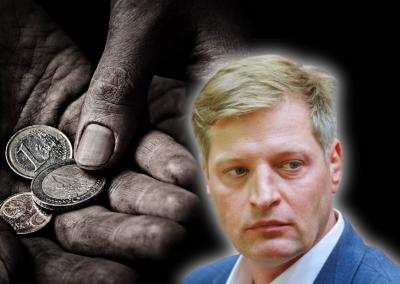
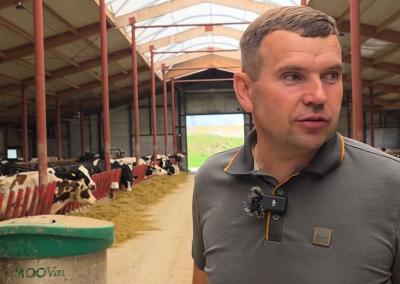
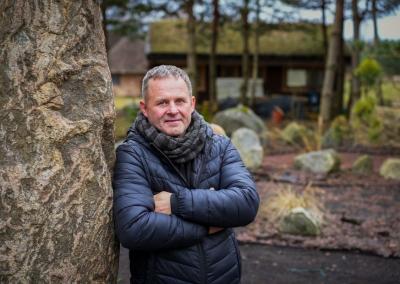
Vytenis Grigas, Vice-President of the Lithuanian Chamber of Agriculture, emphasises that issues relating to the application of the Nitrates Directive are particularly relevant to Lithuanian farmers.
“In Lithuania, fertilisation options are increasingly being restricted not only by the deadlines set out in legislation, but also by actual weather conditions – prolonged rainy spells, wet soil, a late spring or an early autumn cold snap. “Farmers therefore need regulations that are not merely formal, but based on scientific data, soil conditions and actual climatic conditions,” says V. Grigas.
According to him, climate change is forcing a reassessment of the current requirements and giving Member States greater scope to make decisions based on actual meteorological and agronomic conditions.
Investment in innovation – the path to more sustainable farming
According to V. Grigas, Vice-Chairman of the Lithuanian Farmers’ Union, it is essential to create more opportunities for the effective use of manure and other organic fertilisers, thereby reducing dependence on imported mineral fertilisers. At the same time, it is important to ensure investment support for manure storage facilities, precision fertilisation technologies, soil testing and digital plant nutrient accounting systems.
Such investments would not only help to reduce nutrient losses to the environment, but would also increase the efficiency and competitiveness of farms.
Chamber of Agriculture: it is essential to balance environmental protection and the viability of farms
The position of the Chamber of Agriculture of the Republic of Lithuania remains consistent – protecting water quality must be one of the most important objectives of agricultural policy, but regulation must be proportionate, based on scientific evidence and adapted to practical farming conditions.
The Chamber of Agriculture supports the aim of modernising the implementation of the Nitrates Directive, creating more opportunities to apply innovative and sustainable solutions that would help to simultaneously achieve environmental objectives, strengthen the competitiveness of farms and ensure the long-term viability of agriculture in Lithuania and across the European Union.

Similar articles
Video