


































































The Plant Production Service is stepping up controls on the potato trade: labelling infringements have been identified
In response to reports from social partners and members of the public regarding the possible misleading of consumers in the sale of potatoes, which are presented in shops as being of Lithuanian origin, the State Plant Service has this year stepped up controls on the potato trade throughout Lithuania.
Stepped-up controls on the potato trade
All regional branches of the Plant Production Service carried out scheduled and unscheduled inspections at markets, wholesale centres and other potato trading venues. During this period, more than 160 businesses involved in the potato trade were inspected in Lithuania.
The inspections checked whether the potatoes were properly labelled, whether documents confirming their origin had been provided, and whether the traceability of the produce was ensured. The aim of the checks was to to prevent potatoes that are not properly labelled or for which no documents of origin are provided from entering the market, including produce imported from Poland or Romania that does not meet phytosanitary requirements.
Unannounced inspections in Kaunas and Vilnius
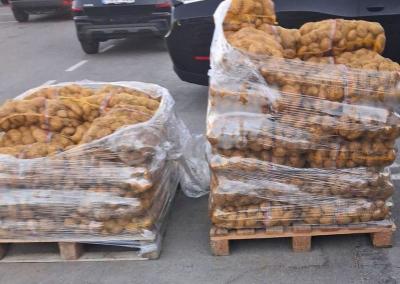
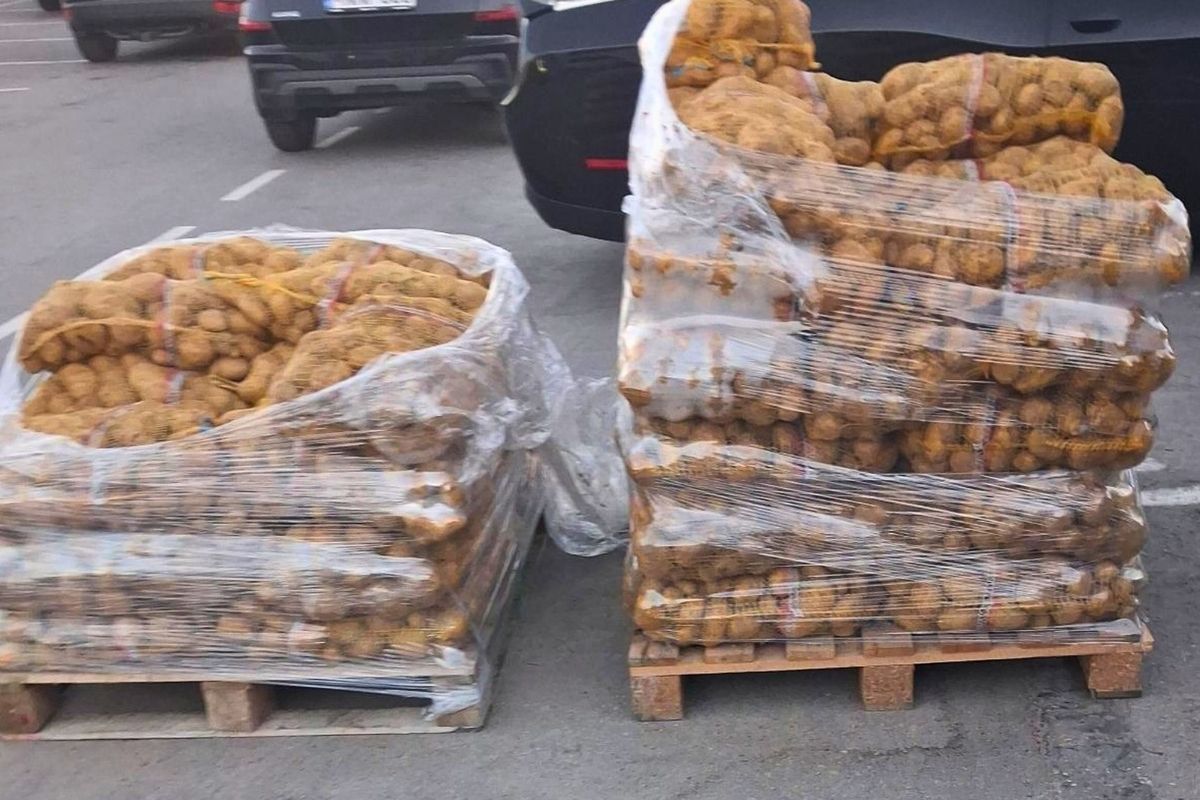
One of the most important unannounced inspections was carried out at fruit and vegetable wholesale markets in Kaunas, which, due to their high trading volumes and intensive movement of produce, are considered to be among the highest-risk potato trading centres in Lithuania. During a night-time inspection at the “Urmo” wholesale markets in Kaunas, three instances of improperly labelled potatoes were identified – it is suspected that the produce may have been imported from Poland. Representatives of the market’s management were informed of the identified breaches, and samples were taken from the suspicious consignments for laboratory testing. During the inspection, the traders left the premises, leaving behind large quantities of potatoes whose owners could not be identified. In light of these findings, the Plant Production Service is continuing its monitoring activities and assessing possible breaches of legislation.
An unannounced inspection was also carried out at fruit and vegetable wholesale markets in Vilnius, following information received about a consignment of potatoes that may have been imported from Poland. During the inspection, six businesses trading in potatoes were checked. Breaches were identified at two trading premises – in one case, potato labelling and purchase documents were not provided; in the other, the potatoes were packed in packaging bearing Polish symbols, which raised suspicions regarding the origin of the produce. In both cases, samples were taken for laboratory testing and administrative penalties were imposed.
Results of the inspections
The results of the inspections showed that the majority of traders were selling potatoes grown in Lithuania – either produce grown on their own farms or potatoes purchased from other Lithuanian growers.
Thirteen businesses were found to be selling potatoes imported from other European Union countries. Potatoes originating from Spain, Cyprus and Greece were available on the market, and their labelling and documents of origin complied with legal requirements.
In total, the inspections identified eight high-risk cases where, due to labelling deficiencies, failure to provide purchase documents or issues with packaging, there were reasonable grounds for suspicion regarding the origin of the produce. In all these cases, potato samples were taken for laboratory testing, and eight reports of administrative offences were drawn up for the identified breaches, in accordance with Article 337 of the Code of Administrative Offences of the Republic of Lithuania. The results of the laboratory tests showed that no quarantine pests were found in any of the samples taken for testing.
During the inspections, cases were also identified where potatoes had been purchased from suppliers registered in Poland, but according to the documents provided, their country of origin was different – the produce had been grown in Egypt, Cyprus or other European Union countries. The Plant Protection Service points out that the country of registration of a supplier alone does not determine the origin of the produce – the origin of potatoes is established on the basis of official documents and labelling information.
However, the identified breaches of labelling and traceability requirements show that controls remain necessary, therefore the Plant Production Service will continue to carry out risk-based inspections and respond promptly to information received regarding possible infringements.
What is important for traders and buyers to know?
The Plant Production Service reminds traders that potatoes must be properly labelled, their traceability must be ensured, purchase documents must be retained, and potatoes for human consumption imported from Poland and Romania must be accompanied by plant passports.

Similar articles



Video