









































A new measure to facilitate generational succession in agriculture: some welcome it, whilst others see risks
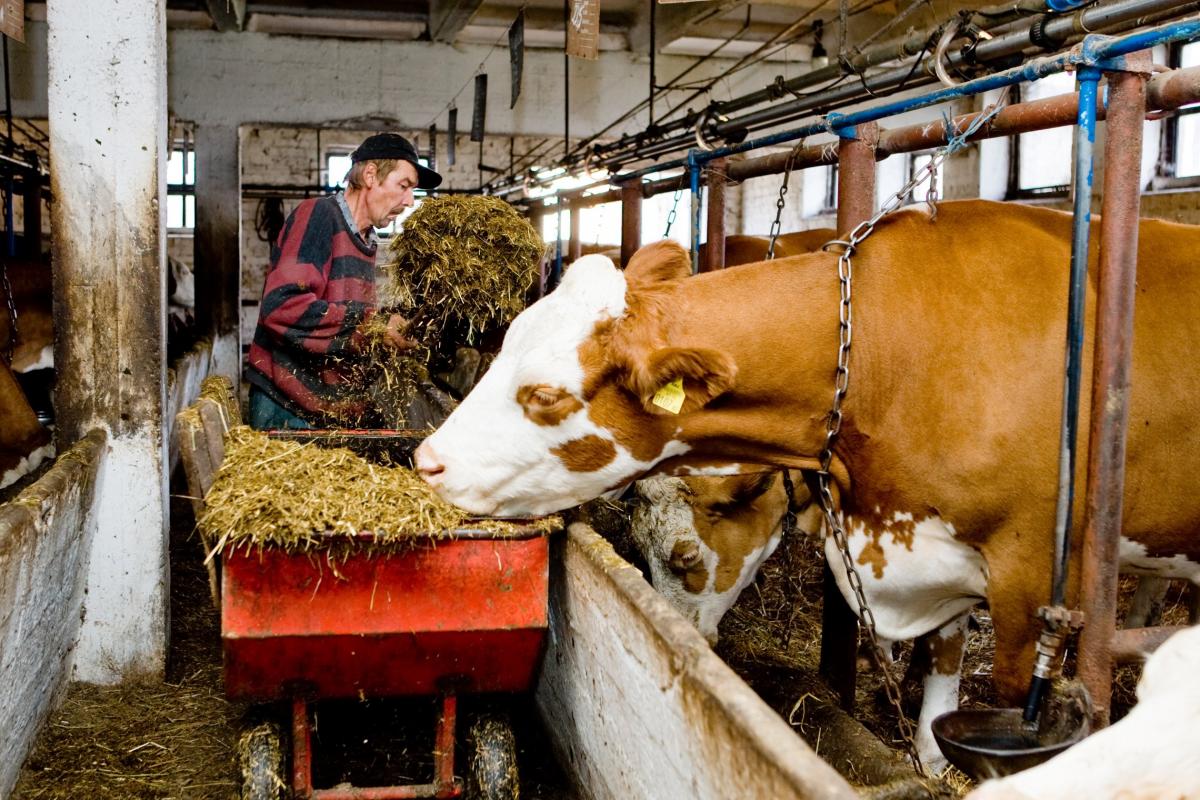
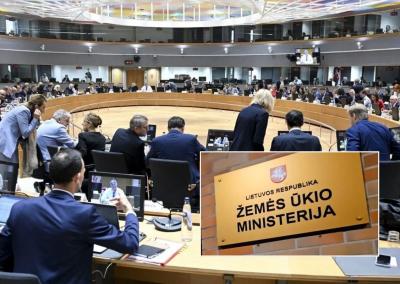
One of the most notable new features in the amendments to Lithuania’s 2023–2027 Strategic Plan for Agriculture and Rural Development, submitted to the European Commission, is a new generational transition measure designed to facilitate the transfer of farms to the younger generation. Although the Ministry of Agriculture (ŽŪM) hopes that the changes will help tackle the problem of an ageing rural population, the views of farmers’ organisations vary.
MA: changes are dictated by practice
The Ministry explains that the implementation of the Strategic Plan is continuously monitored – analysing farmers’ activity, the implementation of support measures, comments from social partners and the European Commission’s recommendations.
„“As the Strategic Plan is implemented, practical aspects are coming to light that need to be refined so that support is more accessible, more effective and better aligned with the real needs of the agricultural sector,” – states the Ministry of Agriculture.
One of the proposed changes is to extend the term of preferential loans for financial measures aimed at helping young farmers set up and for the processing of agricultural products from five to ten years. According to the Ministry, this decision was necessary because the uptake of funding has so far been lower than expected, even though an expert assessment carried out prior to the launch of the scheme indicated that shorter-term loans should be sufficiently attractive.
Sees an important step towards generational change
Gedas Špakauskas, chairman of the Lithuanian Farmers’ Union, states that the changes relating specifically to young farmers are the most important of all the amendments to the Strategic Plan.
According to him, whilst support has been provided in Lithuania to date for young farmers to set up, there have been no measures specifically aimed at ensuring a smooth transfer of farms from the older generation to the younger one.
“This is a pilot scheme. Its aim is to help young farmers take over farms from their parents or other close relatives. One part relates to investment, the other to advice and support. Such measures have been lacking until now,” says G. Špakauskas.
According to him, although the project is not large-scale, it could serve as a foundation for the future, when the European Union plans to focus even more attention on generational change.
Young farmers: the idea is good, but the chosen approach raises doubts
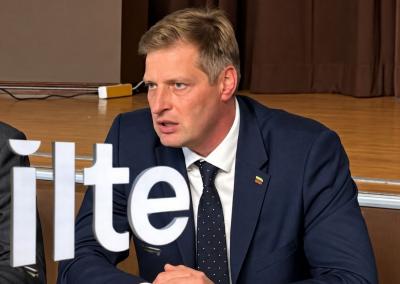
However, Vytautas Buivydas, Vice-Chairman of the Young Farmers’ and Youth Union, takes a much more cautious view of the new measure. According to him, the idea of generational renewal itself is necessary, but there are doubts about the chosen funding model.
“We certainly support young farmers, but this specific programme raised many questions for us and we did not approve of it,” says V. Buivydas.
The organisation’s main concern is that funding for the new measure is to be allocated by reallocating resources from Local Action Groups (LAGs).
“Young farmers can also take part in LAG projects, but the projects there are smaller – up to 50,000 euros. In our view, this approach would ensure that support reaches more people. We are in favour of helping a larger number of farmers with smaller sums, rather than allocating a very large sum to a single applicant ", he says.
According to V. Buivydas, large sums of support for a single recipient also increase the risk.
“If it were to transpire that the transfer of the farm was fictitious, a great deal of money would be lost. Our position is that it is better to have smaller sums distributed to a larger number of farmers,” he says.
Other changes are also giving rise to debate
According to V. Buivydas, it is not only the generational change measure that is causing debate. In his view, the proposed changes to biosecurity and soil testing have not been sufficiently discussed; according to the organisation, these may be better suited to cereal farms than to the horticulture, vegetable growing or berry growing sectors.
The proposed changes to the management of the spread of invasive species have also come in for criticism.
“We will not be able to tackle invasive plants with short-term solutions alone. We need more science, a unified database and a systematic approach,” says V. Buivydas.
Meanwhile, the Ministry of Agriculture explains that changes to the measures for managing the spread of invasive species were necessary because it had not received a single application for two years running. The Ministry hopes that by increasing the level of support and adjusting the conditions, the measure will become more attractive to applicants.

Similar articles

Video