






































































The price of grain has fallen by a third, but the price of bread has fallen by considerably less. Why?
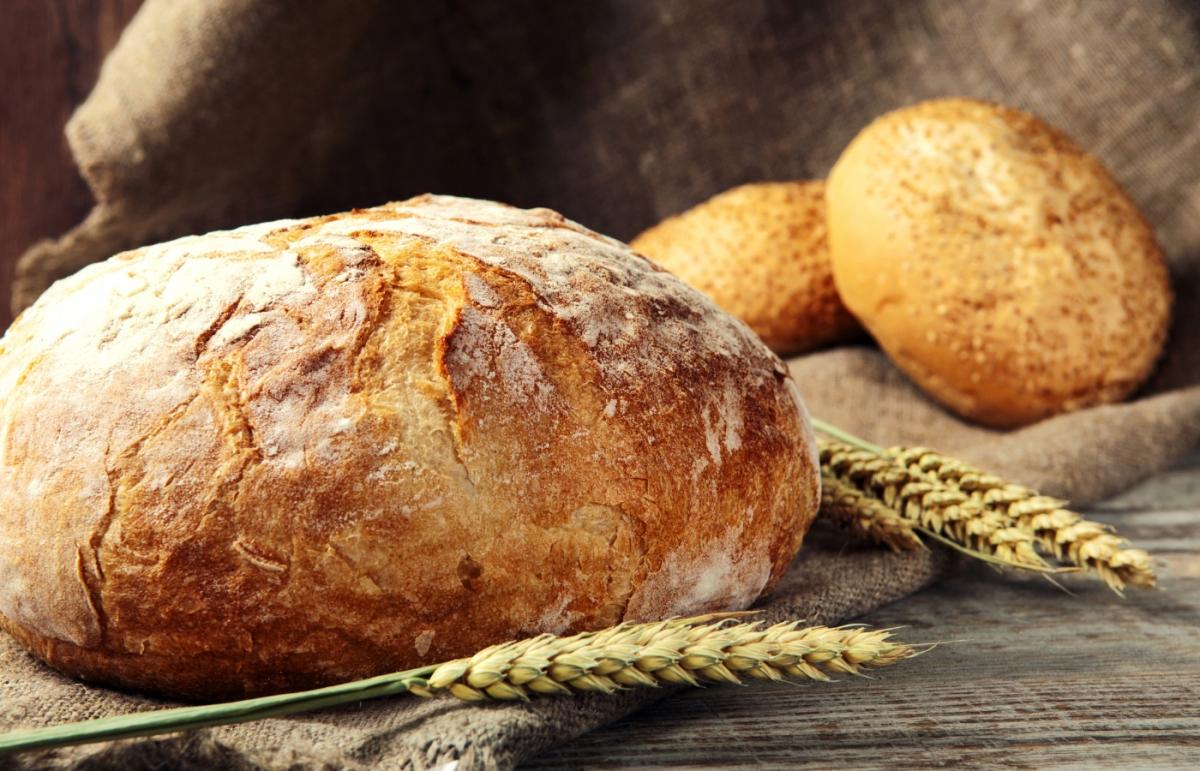
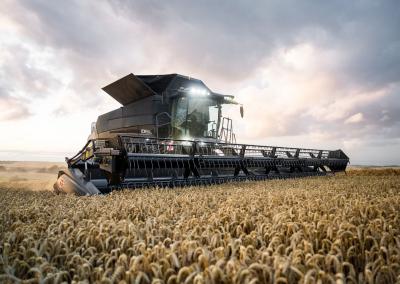
Over the past three and a half years, the price of wheat and rye in Lithuania has fallen by around a third. Prices charged by flour producers have fallen by a similar margin, but the prices of bread products have not seen the same drop. This year, some bread products in shops have already become noticeably cheaper, and an analysis by the Agricultural Data Centre (ŽŪDC) does not, as yet, provide any grounds for expecting a new sharp rise in bread prices.
In July 2026, a kilogram of wheat in Lithuania cost on average around 20 cents; a kilogram of wheat flour from the producer – around 36 cents; a kilogram of a loaf of bread from the producer – €1.10, and a loaf in a shop – around €2.27. To enable a comparison between different stages of the price chain, all these prices are quoted excluding VAT.
According to Dr Irma Jankauskienė, Head of the Market Information and Economic Analysis Department at the Agricultural Information and Research Centre (ŽŪDC), these are not four prices for the same product, so the difference between them cannot be described as anyone’s profit. However, they do illustrate the many factors that determine the price between the grain and the loaf of bread – milling, baking, energy, labour, packaging, transport and retail.
“It would be wrong to expect that if the price of grain falls by 30 per cent, the price of bread would automatically fall by the same amount. However, the change in the price of raw materials should not disappear entirely. By looking at the entire supply chain, we can see where the fall in raw material prices is clearly reflected in the final price, and where its impact is significantly weaker “, says Irma Jankauskienė.
Grain and flour have fallen in price by a third, whilst some bread products have become more expensive
Over the past three and a half years, both wheat and rye have fallen in price by around a third in Lithuania. Prices charged by producers of wheat and rye flour have fallen by almost the same amount. However, the prices of bakery products have varied.
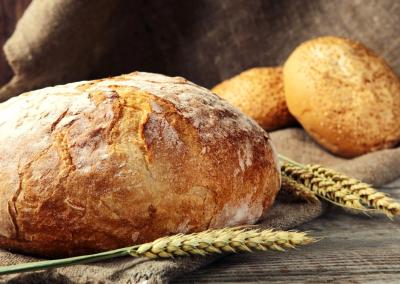
The manufacturer’s selling price for a loaf of bread fell by 15.3 per cent between January 2023 and July 2026. Consequently, as the prices of wheat and wheat flour fell by around a third, the manufacturer’s price of a loaf of bread also fell, but by considerably less.
In the case of bread, the trend was the opposite. From June 2023 to July 2026, the manufacturer’s price for dark bread rose by 5.1 per cent, and for light bread by 6.2 per cent.
Grain and flour prices fell by a similar amount, but the manufacturer’s price for a loaf of bread fell, whilst that for bread rose.
This difference cannot be explained by the prices of grain or flour alone. The price of a bakery product is also determined by energy, labour costs, other raw materials, packaging and other production costs. It is not possible to determine from the prices alone which of these factors had the greatest influence, or to draw conclusions about bakeries’ profit margins – this would require data from individual companies.
This year, some bread products have already become noticeably cheaper
However, what matters most to the consumer is what is happening now – how much they have to pay for bread in the shop. And the outlook for 2026 is already more favourable.
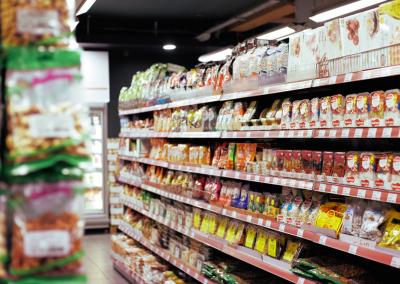
From January to August, the average price of brown bread in shops fell by 11.5 per cent, white bread by 14.5 per cent, and baguettes by as much as 20.7 per cent.
Baguettes have seen the sharpest fall in price this year. In August alone, their average price fell from 2.75 to 2.45 euros per kilogramme, or by 10.9 per cent.
However, not all similar products are getting cheaper. For example, the price of private-label baguettes has remained virtually unchanged since the start of the year.
This demonstrates once again that there is no single ‘price of bread’ – prices for different types of bread and brands can vary significantly, even over the same period.
What can we expect between now and spring 2027?
Current data provide no grounds for expecting bread products to rise sharply in price in the coming months solely due to wheat or rye prices.
At the start of September, on one of Europe’s most important wheat price benchmarks – the ‘Euronext’ – wheat futures prices for December 2026 to May 2027 remained within the range of approximately 244–246 euros per tonne. Futures contracts are not an exact forecast, but their current level does not indicate a new sharp rise in wheat prices before spring.
The global market is sending a similar signal. The Food and Agriculture Organisation of the United Nations forecasts that the global wheat harvest in 2026 will reach around 810.7 million tonnes. Although this is less than last year, such a harvest would still be the second largest in history.
On the other hand, cheap grain does not in itself guarantee a further fall in the price of bread products. Prices for some bread products have already fallen noticeably this year, whilst labour, energy, transport and other production costs are limiting the scope for any further sharp falls.
“The data available today points more towards price stabilisation and moderate upward pressure, rather than a scenario of a new sharp wave of price rises. If bread products were to start becoming noticeably more expensive next year, simply explaining that the price of wheat has risen would not be enough. We would need to look at the entire supply chain and determine where the price change actually began“ – says Dr Evaldas Stankevičius, Senior Specialist at the Market Information and Economic Analysis Department of the Agricultural Development Centre (ŽŪDC).

Similar articles




Video