































































Sheep and goat farming: what determines the good health of a flock?
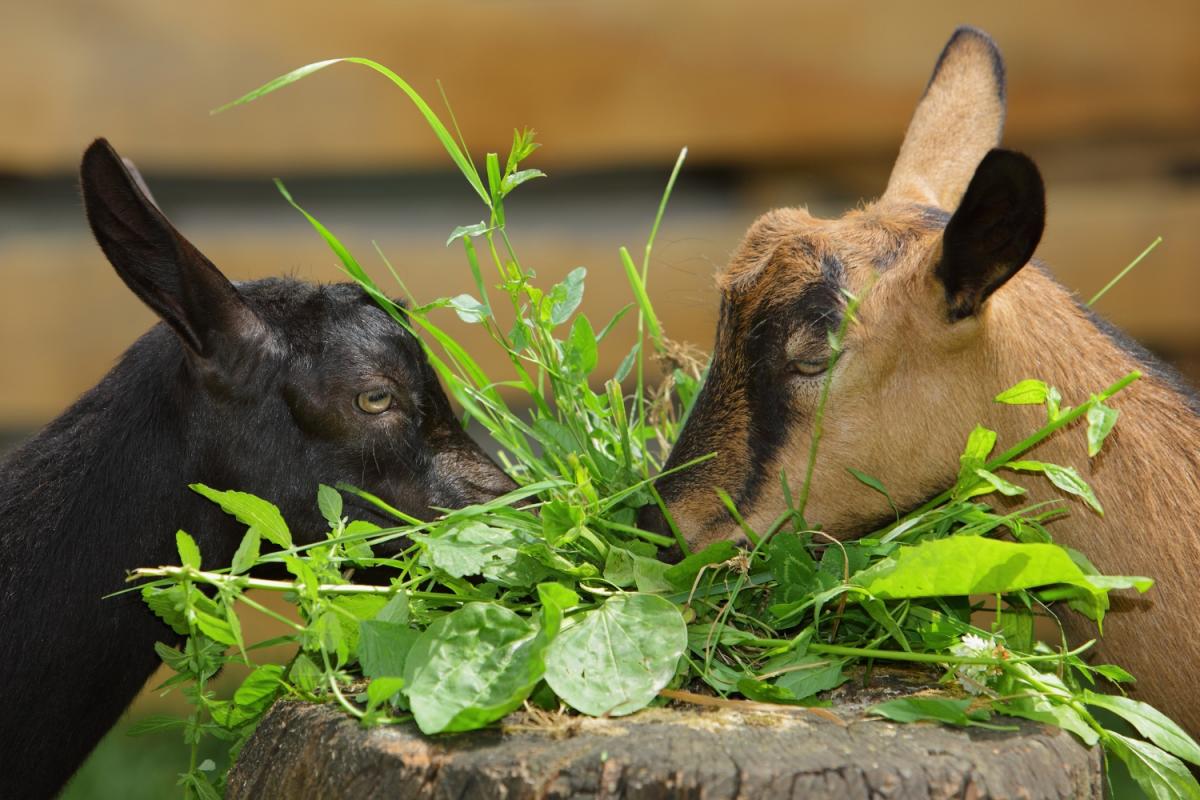
Sheep and goats have long been an integral part of many farms. They provide valuable milk and wool and naturally help to keep pastures in good condition. Caring for these animals requires attention and responsibility. Sometimes it may seem to the owner that everything is fine in the flock, but in day-to-day life it is easy to overlook ‘invisible’ stress: a weaker animal is constantly pushed away from the water, and so drink less, lose weight and grow weak, whilst a calf that receives colostrum too late has an unprotected immune system – leaving it completely vulnerable to infections. Such “minor issues” slowly undermine the animals’ health, and serious problems emerge “unexpectedly”.
The State Food and Veterinary Service (VMVT) reminds us that, for sheep and goats to grow successfully and safely, it is essential to follow clear rules of good practice.
Caring for newborns
The first few hours after a newborn is born are crucial – time is counted in hours here. A lamb must receive colostrum no later than 3 hours after birth, and a kid within 6 hours of birth. It is not enough simply to see that the young animal is standing next to its mother: it is worth waiting a moment to make sure that it is actually suckling. When using automatic feeding systems or communal feeders, do not rely solely on the fact that the equipment is working, as weaker young animals require individual attention. Finally, the young birds’ resting area must be completely dry, clean and protected from draughts, and if supplementary heating is used, it is important not to overheat the area.
Feeding, water and hidden competition
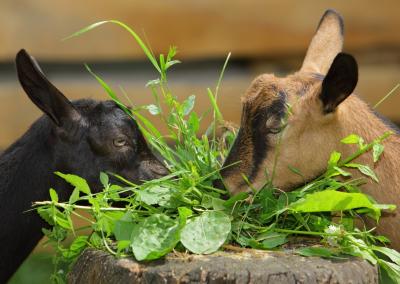
Adult animals must be provided with feed appropriate to their age, weight and physiological condition, as well as free access to clean water. However, hidden challenges arise in day-to-day life: animals kept in groups need sufficient space around the feeding troughs so that weaker animals are not constantly pushed aside. It is worth spending at least 10 minutes observing the herd to check whether any animal is constantly having to wait its turn. It is beneficial for goats to nibble on branches (e.g. willow, hazel or birch; however, in pastures it is essential to check carefully for deadly poisonous plants, such as yew or rhododendron).
Space requirements: how much space is needed indoors?
Housing conditions must meet hygiene requirements, with damp and draughts strictly avoided. Good practice guidelines specify the following minimum floor areas:
60–90 kg ewes during pregnancy: 1.2–1.4 m² – 1 ewe.
Ewes weighing 60–90 kg with lambs up to 6 weeks old: 2.0–2.2 m² per ewe with lambs.
45–65 kg ewes during pregnancy: 1.0–1.2 m² per ewe.
Ewes weighing 45–65 kg after lambing with lambs up to 6 weeks old: 1.8–2.0 m² – per ewe with lambs.
Lambs up to 12 weeks old: 0.5–0.6 m² per lamb.
Adult rams: 1.5–2.0 m² – per ram.
Sheep and goats are highly social animals, so keeping them in flocks (groups) is essential. New members of the flock must be introduced gradually into an existing group. This prevents violent aggression, where established members attack the newcomer: pushing it around, goring it with their horns, chasing it around the pen or blocking access to the feeding trough and water trough, preventing it from eating and drinking.
Daily care requires more than just a routine check: if a sheep strays unusually far from the flock, or a goat is constantly being chased away from the feeding platform or the water – this is a clear sign that a problem has arisen in the flock and you must resolve it.

Similar articles
Video