

























The Prime Minister says he has not come under pressure from the US to open the Port of Klaipėda to fertiliser exports from Belarus

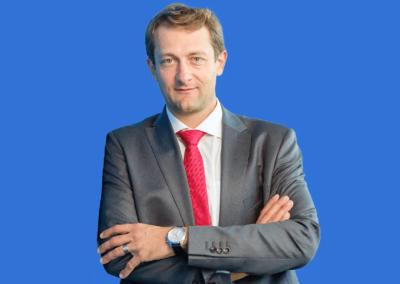
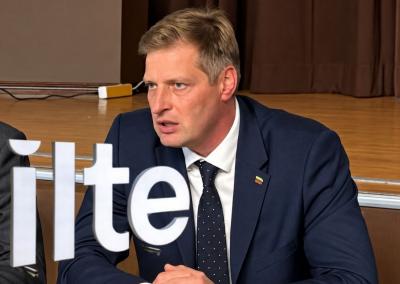
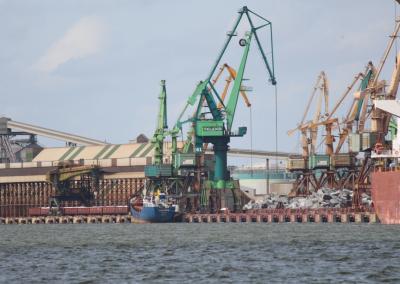
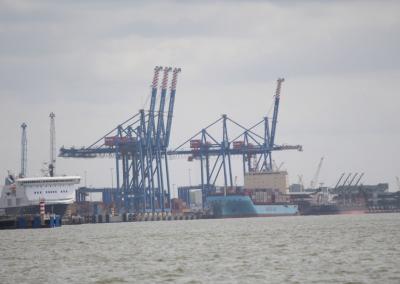
Prime Minister Mindaugas Sinkevičius says he has not come under pressure from the US administration to open the Port of Klaipėda to exports of potash fertiliser from Belarus.
“No one is really putting pressure on us; I have not felt any pressure, not even from our strategic partner, the US. I think these are more like behind-the-scenes discussions to gauge the mood and reactions of European countries, including Lithuania,“ M. Sinkevičius told journalists in Birštonas on Friday.
“No one is putting pressure on us, either in writing or verbally, and even if they were, we are an independent country that pursues its own policy, understanding both the threats and why these sanctions exist. (...) For the time being, we have no plans to review our sanctions policy“, he added.
The Prime Minister made these remarks to the publication “Politico” on Friday, following the announcement that US President Donald Trump’s administration is pressuring Lithuania to open the Port of Klaipėda to potash fertiliser exports.
As reported by BNS, the US President announced at the end of September that Washington was working on a major agreement to purchase fertiliser from Belarus. According to him, this would allow US companies to pay less for fertilisers than they currently do when purchasing them from Canada.
Foreign Minister Kęstutis Budrys stated at the end of September that no EU Member State could be part of the agreement being negotiated by the US on the import of Belarusian fertilisers, due to the sanctions imposed by the EU on this commodity.
Deividas Matulionis, Senior Adviser on National Security to President Gitanas Nausėda, stated at the time that that if the US were to finalise an agreement with Minsk on the purchase of Belarusian potash fertilisers subject to EU sanctions, a breach of European sanctions would be “a kind of moral humiliation”.
At the time, he also emphasised that the fertiliser would not necessarily be transported via Lithuania and the Port of Klaipėda, as had been the case previously, and denied that the US was putting pressure on Lithuania over this matter.
Some politicians described Mr Trump’s statement regarding the agreement with Belarus as political, a means of putting pressure on Canada, which is the main supplier of potash fertiliser to the US market.
The Americans have this year lifted the sanctions on Belarusian fertilisers that were introduced in 2022, but the ability to import them into the US remains severely hampered by restrictions on the transit of goods from Belarus through neighbouring countries.
Before the US imposed sanctions, Belarusian fertilisers were transported via the Port of Klaipėda, whilst senior Lithuanian officials have so far remained sceptical about resuming transit, both because of the EU sanctions still in force and because of a reluctance to provide opportunities for companies linked to the Belarusian regime to make a profit.
EU sanctions on Belarusian fertilisers remain in force until February next year.

Similar articles



Video