

































Mushroom and berry buyers: the harvest is set to be a good one thanks to favourable weather conditions
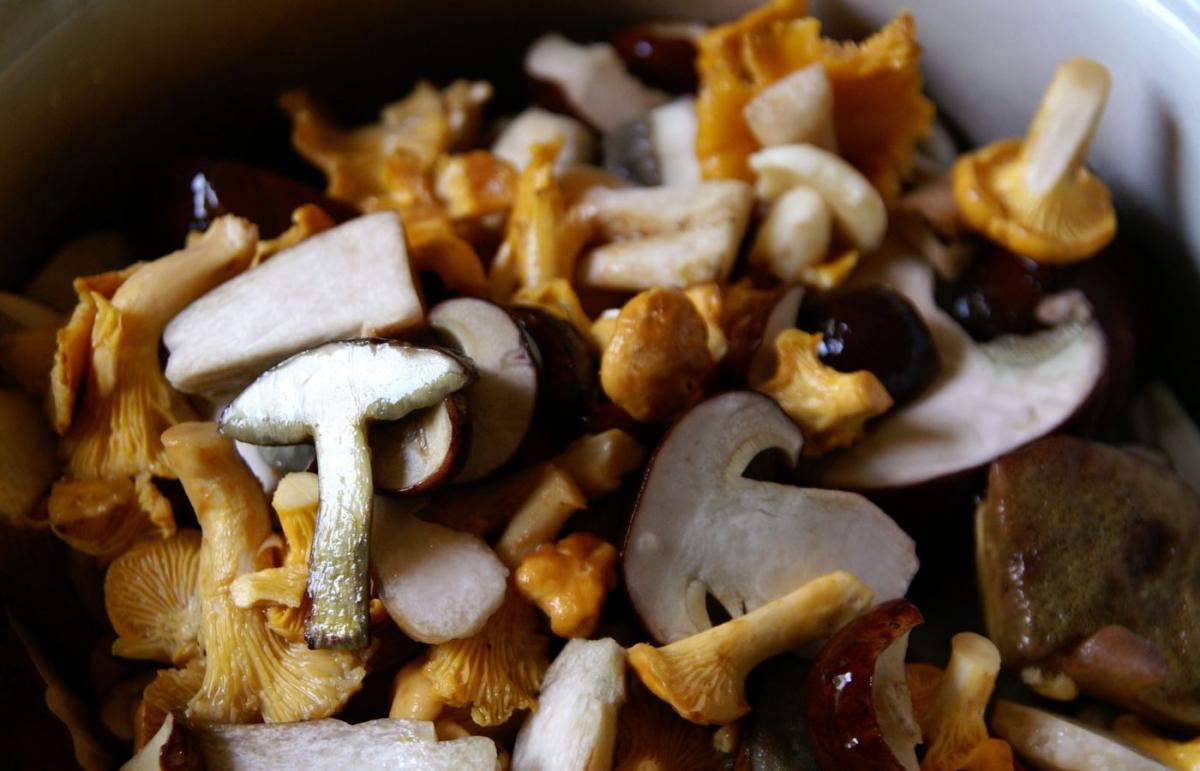
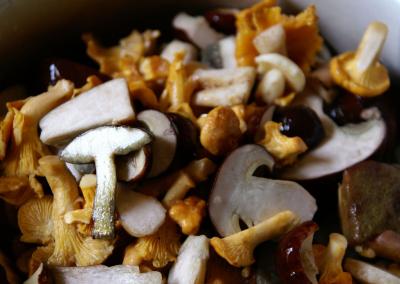
The forest produce season, which has just begun a little late, suggests that the harvest of both summer and autumn mushrooms and berries will be good – there’s been enough rain, and it’s warm enough both day and night, say representatives of purchasing companies.
However, for several years now they have been stating that fewer Lithuanian mushrooms are being purchased because the number of foragers is declining.
Gintaras Aleknavičius, head of the Lithuanian Forest Mushroom and Berry Entrepreneurs’ Association and , Gintaras Aleknavičius, told BNS that this July’s harvest of chanterelles was somewhat meagre, but compared to last year, the two Julys are almost identical.
“It wasn’t a bad July. You can’t criticise it too much, but it wasn’t quite the same. We had a harvest (of chanterelles – BNS), we did, but not like that. Sometimes there’s a very good harvest of chanterelles in July, but essentially it’s already clear this year that August should be like that,” predicted the association’s head.
He noted that whether the harvest is good depends not only on the quantity but also on the quality of the mushrooms – if they are waterlogged, there may be plenty, but they will be of poor quality.
According to G. Aleknavičius, last year’s chanterelles were heavily waterlogged by the rain; this year’s are almost the same: “They’re wet at the moment too; you could say quite a lot so.”
He says that the mushroom season is running a little late, partly due to the changeable weather caused by climate change: “In practice, summer boletes and all the other mushrooms should already be appearing in abundance. Chanterelles sometimes start appearing as early as June.”
According to Virginijus Varanavičius, director of the Varėna-based company “Vipreka”, there is currently an abundance of chanterelles in the forests, and pickers are being paid around 3.5–4 euros per kilogram.
“There are plenty of chanterelles in the woods at the moment. It’s raining, there’s plenty of moisture, and the chanterelles are already coming through in full force. At least in the Varėna region, the surrounding forests are teeming with chanterelles,” said V. Varanavičius.
“This is the second year running that the chanterelle harvest has been quite good, and last year was a bumper year for chanterelles. This year, provided it doesn’t get too hot, the mushrooms don’t dry out and there are no other adverse natural conditions, there will be plenty of chanterelles in August. But September is September – autumn mushrooms start to appear and everyone rushes to pick them, so fewer chanterelles are gathered,” he said.
According to the head of “Vipreka”, current prices are driven by the fact that there are still few of these mushrooms in neighbouring countries.
“Poland has experienced a severe heatwave – it has scorched and dried out the growing areas. In Belarus, they haven’t started growing yet, and in Russia there’s a delay too. When more chanterelles appear, of course, the prices will probably be different“,” predicted V. Varanavičius.
Lithuanian companies are currently exporting chanterelles to Germany because, according to V. Varanavičius, the French are only just “starting to generate demand”: “The chanterelle season (edible – BNS) is late over there, so Germany is currently the main buyer, but new customers have also emerged, such as the Poles. They consume a great many chanterelles. The situation there is even worse than here – even fewer people are going mushroom-picking.”
V. Varanavičius predicts that if the weather does not change and remains roughly as it is now, there will be a good number of autumn mushrooms, as the “conditions for their growth are very good”.
Businesses say that 10–20 tonnes of chanterelles can be harvested in a day; furthermore, they are also sourced from other countries. However, they have noticed that the market is shrinking, with a decline not only in the number of foragers but also in the number of consumers.
The company “Fudo”, whose main owner is G. Aleknavičius, plans to purchase at least 500 tonnes of chanterelles and 2,000 blueberries this year.
“That would be the minimum plan, but we’re thinking of around 700–800 tonnes. The majority – 60–70 per cent – of the chanterelles would be Lithuanian. In the past, we used to harvest as many as 3–4 thousand tonnes of blueberries alone ", said G. Aleknavičius.
According to him, the younger generation, both in Lithuania and abroad, places less value on wild mushrooms.
&“Whereas in the past a German burger wouldn’t have been complete without chanterelles, or some sort of chanterelle sauce, today’s young people are happy with button mushrooms,” – said the association’s chairman.
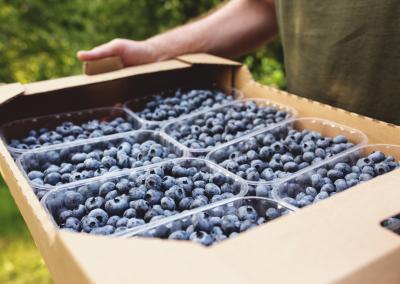
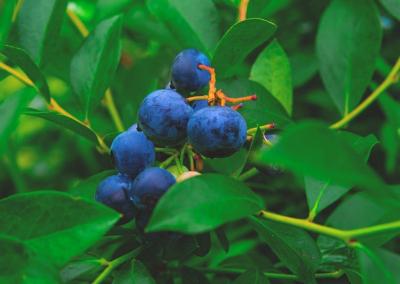
The blueberry harvest is average, and pickers are paid up to 4.5 euros
According to the head of “Viprekos”, there are enough blueberries this year – both for residents to pick for their own jam and to take to the collection points.
“There’s no shortage of berries. Last year, there were none at all. This year’s blueberry harvest is average,” said V. Varanavičius.
However, according to the mushroom and berry processor, the price is high: “The price per kilogramme of blueberries – that is, 1.7 litres – for pickers is 4–4.5 euros. The price is very high. Although, as I see, a litre costs 6 euros even at the Varėna market.”
V. Varanavičius predicts that these prices will remain: “The number of pickers is only decreasing, and there aren’t enough of them even for high pay. Berry buyers and processors are raising the price because there’s no one to supply them with produce“.
According to V. Varanavičius, there will be plenty of lingonberries this year too, but the areas of wild raspberries are dwindling. They usually do not reach the commercial market; pickers sell the berries quickly by the roadside and at markets.
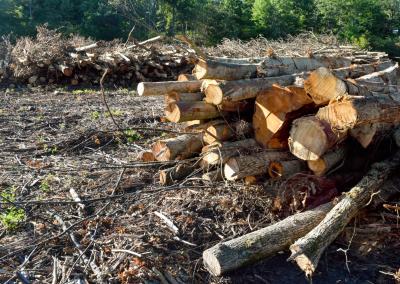
“They don’t reach the commercial market – they’re sold at markets and by the roadside; people pick as many berries as there are in the forest. But the growing areas are shrinking and disappearing – the forests are changing; they’re being cut down,” said V. Varanavičius.

Similar articles
Video