


































Milk procurement in Lithuania is down for the fourth month running compared with last year: is the growth phase coming to an end?
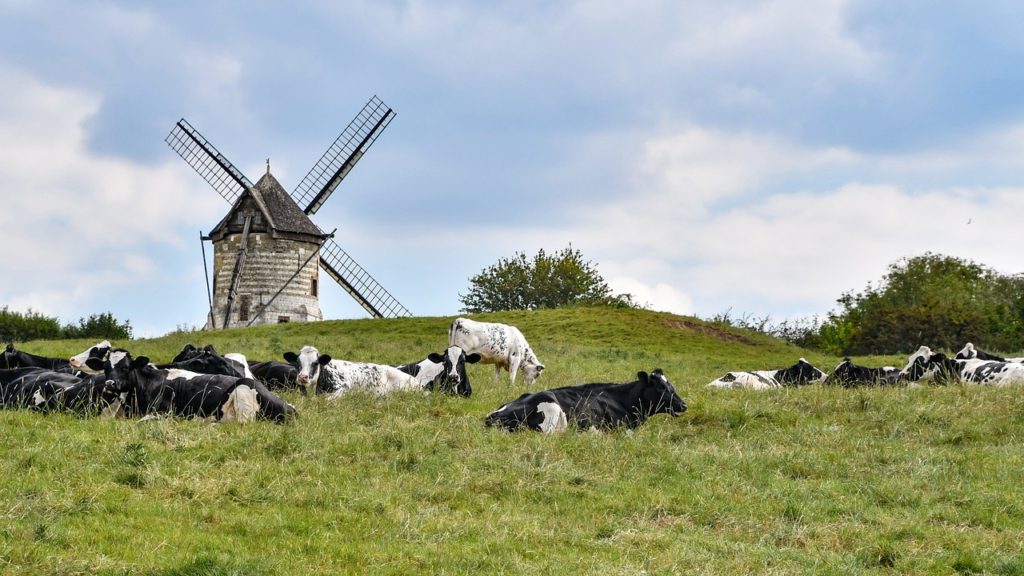
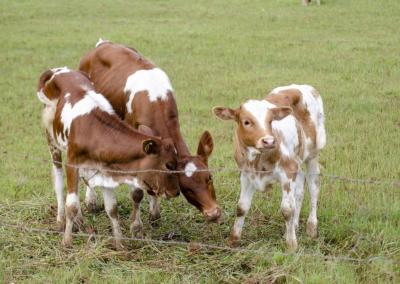
In Lithuania, for the fourth month running, the volume of raw milk purchased from domestic producers has been lower than in the corresponding month of the previous year. In June, the year-on-year decline stood at 0.45 per cent; in July, 1.4 per cent; in August, 2.4 per cent; and in September, 3.14 per cent.
However, the overall result for the first nine months has remained virtually unchanged so far. Between January and September 2026, only 0.22 per cent less milk was purchased than during the same period in 2025. The growth recorded at the start of the year almost offset the decline that began in the summer.
The outlook for an even longer period remains positive. Over the last twelve months, from October 2025 to September 2026, 1.04 per cent more milk was purchased in Lithuania than during the previous twelve-month period. Thus, the latest monthly figures indicate a shift in trend, although the longer-term growth has not yet disappeared.
Across the European Union, the volume of milk delivered to processors remains higher than a year ago. Between January and August 2026, volumes in the EU rose by around 3 per cent, whilst in Lithuania they increased by just 0.7 per cent. The differences between countries are striking: Romania recorded an 11.6 per cent decline, whilst Slovakia saw a 7.8 per cent increase. Lithuania’s figure was 2.3 percentage points below the overall EU average.
The decline in milk procurement in Lithuania, which has been deepening for four consecutive months, is a clear signal. Data for the coming months will show whether this is a temporary change following previous growth or the start of a longer-term downward trend.
The ŽŪDC figure (–0.22 per cent, January–September 2026) covers milk supplied by Lithuanian producers to domestic purchasers, whilst the CLAL/Eurostat indicator (+0.7 per cent, January–August) covers the milk collected by dairies operating in Lithuania, which may also include milk from foreign farms. As both the scope and the time period of the indicators differ, this difference in percentages cannot be attributed solely to foreign supplies.

Similar articles
Video