

































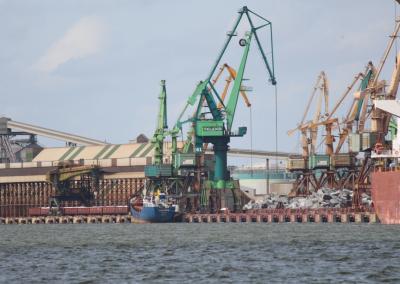
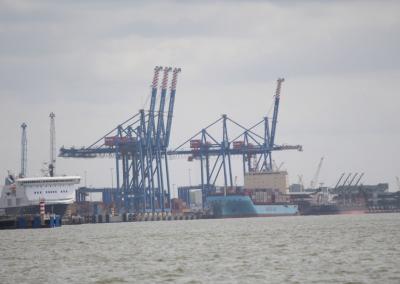




















































Latvia is drafting a law to halt the transit of Russian grain
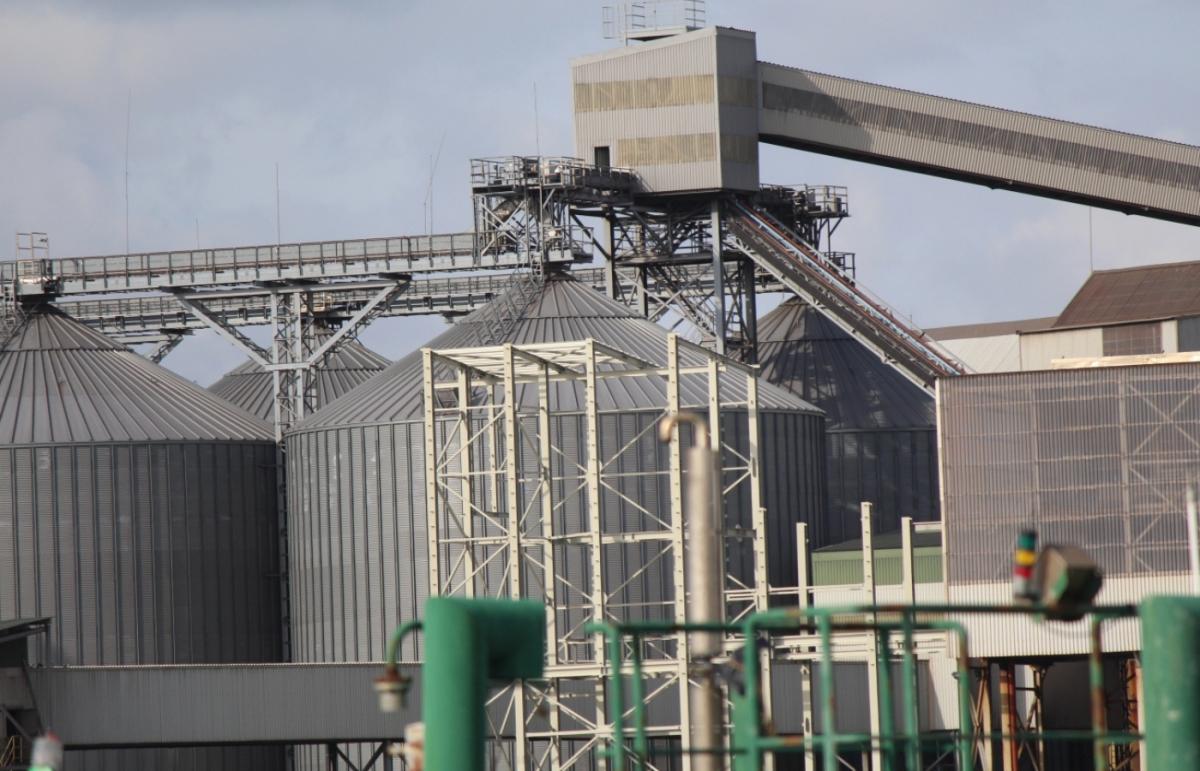
A bill will be tabled in the Latvian Saeima next week that would allow the transit of Russian grain through the country to be halted, Prime Minister Andris Kulbergs stated this on Saturday during a protest in Jēkabpils against the transit of Russian grain.
According to the Prime Minister, this issue will be discussed with the relevant ministries next week. The draft law aims to halt the transit of Russian grain by prohibiting the conclusion of new contracts.
“The transit must be halted. We cannot feed Russia’s war machine or finance the destruction of the Ukrainian people,“ – emphasised A. Kulbergs, whilst acknowledging that a quick solution has not yet been found.
In the Prime Minister’s view, a ban imposed by Latvia at national level alone would not solve the problem, so a solution must be sought in cooperation with the European Union (EU). According to him, the imposition of transit restrictions falls within the EU’s competence, and Latvia is obliged to comply with Community legislation.
According to A. Kulbergs, if Latvia were to ban the transit of Russian grain, it would face legal proceedings and the associated costs.
The Prime Minister also emphasised that the Baltic states had called for a halt to the transit of Russian grain at EU level. He added that a meeting of the European Council is scheduled for next week, at which negotiations on the EU’s multiannual budget will continue.
Furthermore, according to A. Kulberg, the results of the first tests on samples taken from the grain shipments are expected next week, which should help determine whether the grain was stolen from Ukraine.
Protest in Jėkabpilis
On Saturday, dozens of heavy goods vehicles, including tractors and grain lorries, arrived in Jēkabpils to protest against the transit of Russian grain through Latvia.
Since the start of the war in Ukraine, Latvia has provided significant support to Ukraine – it has taken in refugees, allocated funds, delivered humanitarian aid and supported the Ukrainian people in various other ways.
In the view of the protest organisers, whilst providing such support to Ukraine, it is unacceptable for Latvia’s transport infrastructure to continue to be used for the transit of Russian grain.
As previously reported, according to data from the Latvian State Revenue Service (VID), the transit of Russian grain through Latvia during the first ten months of this year increased 3.1-fold compared with the same period in 2025.
During the first ten months of this year, 1.115 million tonnes of grain were transported in transit from Russia via Latvia, compared with 357,645 tonnes during the same period last year.
The largest volumes of Russian grain were transported in transit in October – 425,163 tonnes – and in September – 346,952 tonnes.
Meanwhile, according to VID data, the volume of Belarusian grain in transit increased several thousand-fold. During the first ten months of this year, 185,756 tonnes of grain were transported in transit from Belarus via Latvia, compared with 60.8 tonnes during the same period last year.

Similar articles



Video