











































The agricultural machinery market is still showing strong potential, but farmers are putting off investments
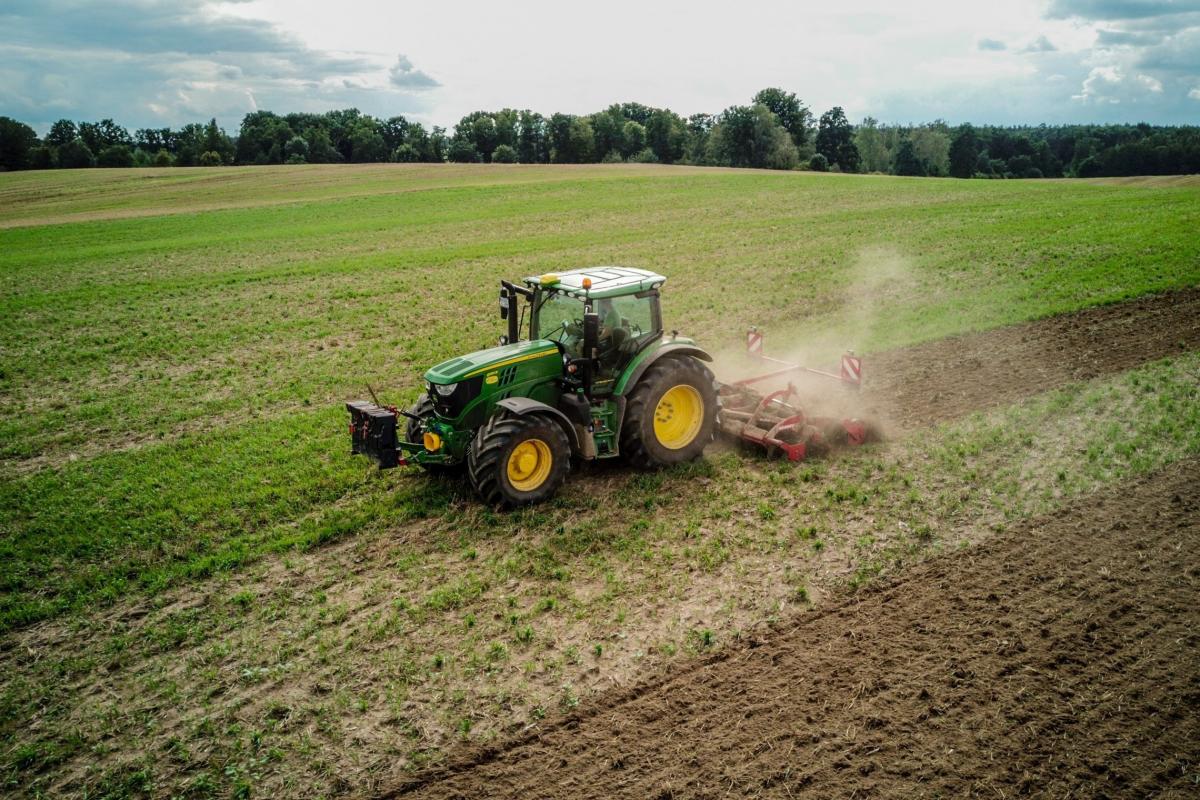
The global agricultural machinery industry is ending 2026 facing a decline in investment activity among farmers. On 20 November, the German agricultural publication „Top Agrar“ published a market review and the latest data from the European Agricultural Machinery Manufacturers’ Association (CEMA) and the Italian manufacturers’ federation “FederUnacoma” show that demand for new tractors and other agricultural machinery remains weak in most key markets.
Rising production costs, geopolitical tensions, unfavourable agricultural commodity prices and losses caused by extreme weather events are reducing farmers’ ability to renew their machinery fleets. Even those farms that need new machinery to boost productivity are increasingly opting to extend the service life of their existing equipment.
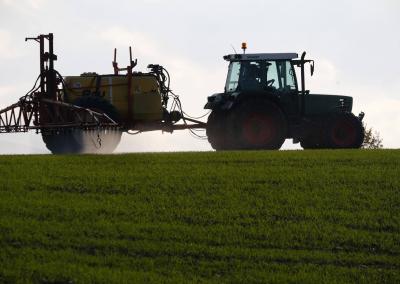
According to “FederUnacoma” , sales of new tractors in Germany fell by 6 per cent, in France by 3.3 per cent and in Spain by 4.6 per cent during the first nine months of 2026. An even sharper decline was recorded in Poland, where tractor sales fell by 18.8 per cent compared with the same period in the previous year. These results reveal that the weaker demand extends beyond any single country to a significant portion of the European agricultural machinery market.
The situation in Italy has also become challenging. Although investment support measures boosted machinery sales at the start of the year, market activity declined in the second half of the year. The Italian Manufacturers’ Federation forecasts that the value of the country’s tractor production will fall by 4.7 per cent in 2026, reaching around 1.8 billion euros. Weaker export demand is posing additional challenges for industrial firms.
The CEMA business climate index, which reflects the sentiment of European manufacturers, stood at minus 32 points in November. As many as 58 per cent of the manufacturers surveyed rated the current business situation as unfavourable or very unfavourable. Just 19 per cent of companies expected their turnover to increase over the next six months.
On average, manufacturers’ order books were sufficient to cover 2.9 months of production. This is the lowest figure for this time of year in seven years. Fewer than a quarter of the companies surveyed had orders covering more than three months.
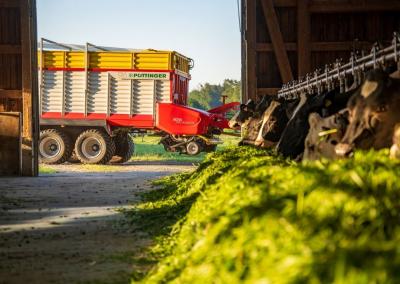
The situation was particularly difficult in the crop farming machinery segment. The situation for livestock equipment manufacturers is more favourable – 77 per cent of the companies surveyed in this segment are satisfied with the current business situation.
However, the global market is developing unevenly. According to June figures, tractor sales in China rose by 5.5 per cent, whilst India recorded an increase of approximately 15 per cent over nine months. Since the start of the year, nearly 900,000 tractors have been sold in the Indian market. Growing demand for mechanisation in Asia is partly offsetting declining sales in mature Western markets.
Economic difficulties are forcing European machinery manufacturers to review production volumes, model ranges and investment priorities. In the near future, not only the technical specifications of machinery but also financing terms, the duration of warranty cover, the availability of spare parts and total operating costs may become increasingly important in the competitive landscape.
A decline in demand for new machinery does not in itself mean that manufacturers will abandon technological innovation. On the contrary, solutions for automation, precision farming and fuel economy may become even more important selling points that manufacturers will use to justify the economic benefits of purchasing new machinery. Farmers will increasingly have to assess not the declared performance of machinery, but its actual impact on production costs and the farm’s competitiveness.
The downturn in the European machinery market may strengthen Lithuanian farmers’ negotiating position when purchasing new tractors and tillage implements. It is particularly important to compare the offers for machinery in stock at different dealers, as well as the financing terms and long-term servicing costs.

Similar articles
Video