



































The future of agriculture is being shaped in Brussels: what changes can farmers expect?
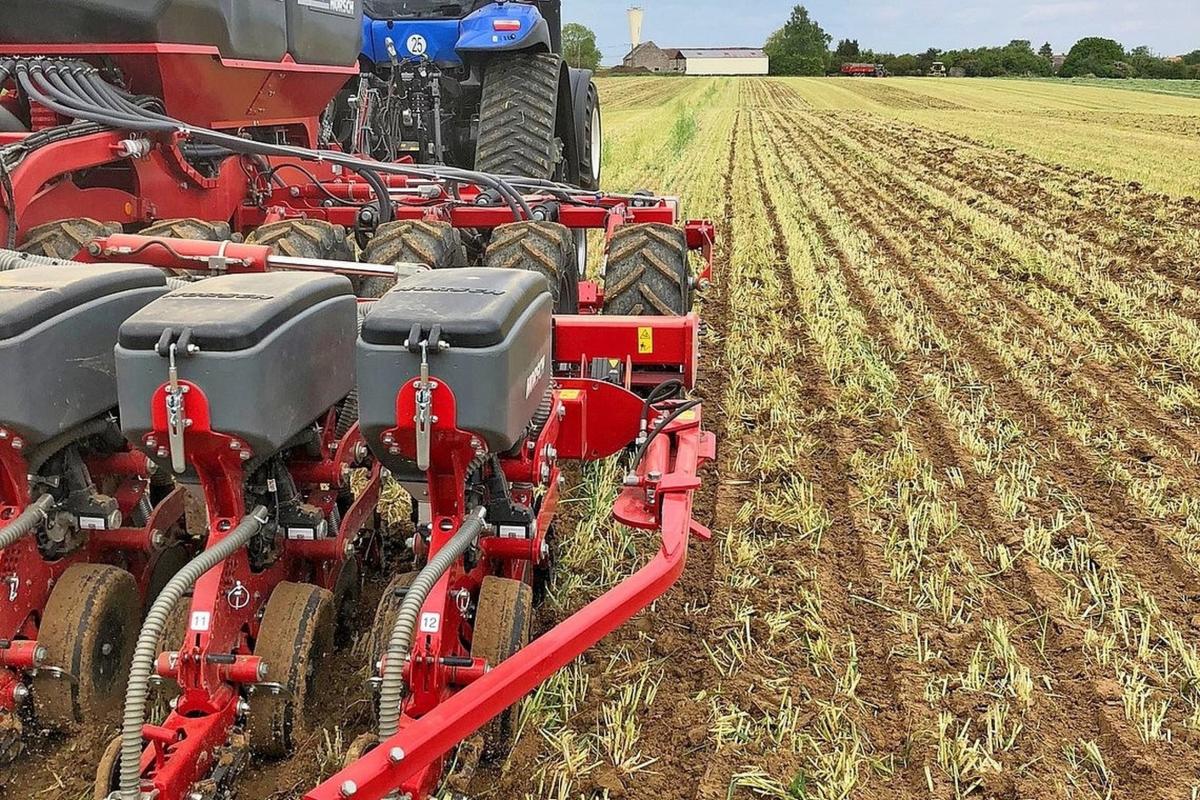
The Council of the EU has agreed on a partial negotiating position regarding the review of the Regulation on the Common Organisation of Agricultural Markets (COAM) after 2027. The plan is to maintain sector-specific support measures for key agricultural sectors, place greater emphasis on the production of protein crops and oilseeds, and continue the EU school programme for fruit, vegetables and dairy products.
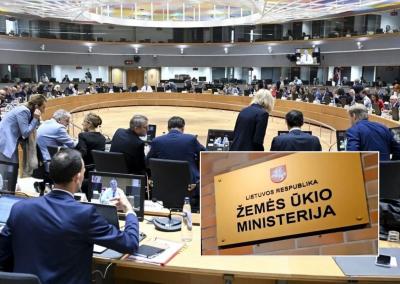
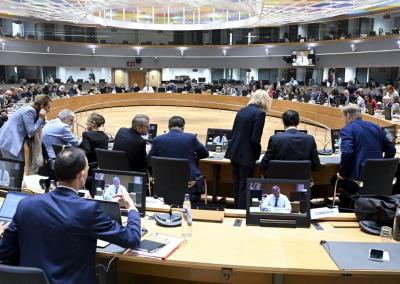
The agreement was reached at a meeting of the Special Committee on Agriculture held in Brussels on 19 October. It forms the basis for further negotiations with the European Parliament on the regulation of agricultural markets for the period 2028–2034.
The CMO Regulation is one of the most important instruments of the Common Agricultural Policy, laying down rules on market organisation, support and trade for various agricultural sectors. The amendments currently under discussion will therefore have an impact on farmers and the agricultural sectors from 2027 onwards.
Sector-specific measures would remain in place
The Council’s position provides for the continued application of sectoral support measures in the beekeeping, fruit and vegetables, and wine sectors.
Such measures provide opportunities to fund the needs of specific sectors, strengthen cooperation among producers, and boost investment and competitiveness.
An important proposed change is the creation of a separate sector for protein crops and oilseeds.
This decision would aim to promote the production of these crops in the European Union and reduce dependence on imported raw materials.
Focus on the EU’s protein supply
Strengthening the protein crop sector is important not only for arable farms but also for livestock farms, which require protein-rich feed.
Increased domestic production of protein crops could help strengthen the EU’s agricultural self-sufficiency and reduce dependence on global raw material markets and imports.
The creation of a dedicated sector could therefore be one of the measures to encourage farmers to grow more protein and oilseed crops.
The school programme will continue
The Council’s position also provides for the continuation of the EU school programme for the supply of fruit, vegetables and dairy products.
At the same time, it is proposed to restrict products high in free sugars and fat. The aim is for the scheme to contribute more effectively to fostering healthier eating habits among children and promoting the consumption of agricultural products.
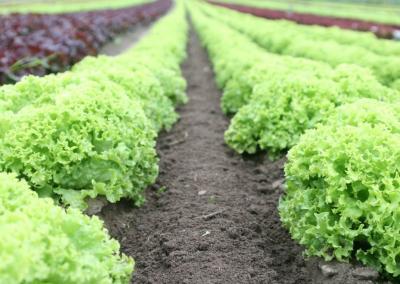
Changes to marketing standards and further improvements to the regulation of the hemp sector are also envisaged.
The positions of the Council and the European Parliament still differ
The agreement reached by the Council is not yet a final decision. Negotiations will continue with the European Parliament, whose position includes additional market regulation and crisis management measures.
These include an early warning system for potential market disruptions, which could help to identify problems arising in agricultural markets at an earlier stage and respond to them more quickly.
The European Parliament is also raising the issue of stricter controls to ensure that imported agricultural products comply with EU standards.
This latter issue is particularly relevant to European farmers, who raise the issue of a level playing field, given that EU producers are subject to high standards in terms of production, environmental protection, food safety and other requirements.
The final rules will be determined in negotiations
The partial negotiating position approved by the Council is one of the stages in shaping the regulatory framework for agricultural markets after 2027. The final provisions will depend on further negotiations between the Council and the European Parliament.
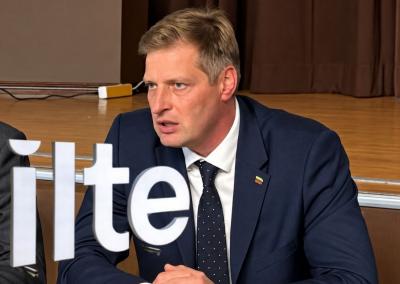
In the opinion of the Lithuanian Chamber of Agriculture, when considering the future of the CMO Regulation, it is essential to ensure effective market stabilisation and crisis management measures, strengthen the EU’s self-sufficiency in strategically important agricultural products, and strive for fair competitive conditions for European farmers. It is particularly important that the requirements imposed on imported products do not lead to a situation where EU farmers find themselves at a competitive disadvantage due to the higher standards applied to them.

Similar articles


Video