

































The start of the harvest has highlighted a problem: beekeeping equipment left in the fields poses a risk to everyone
With the start of the grain harvest, farmers are already highlighting the importance of responsible behaviour among farmers and beekeepers.
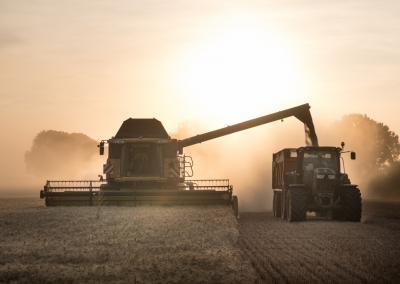
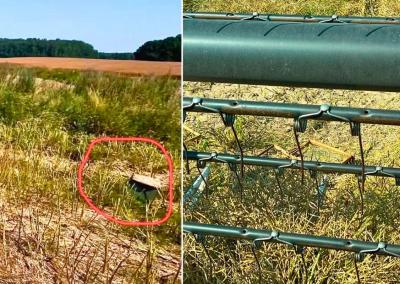
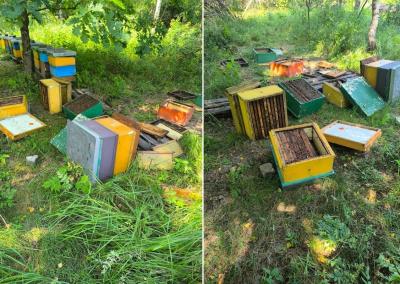
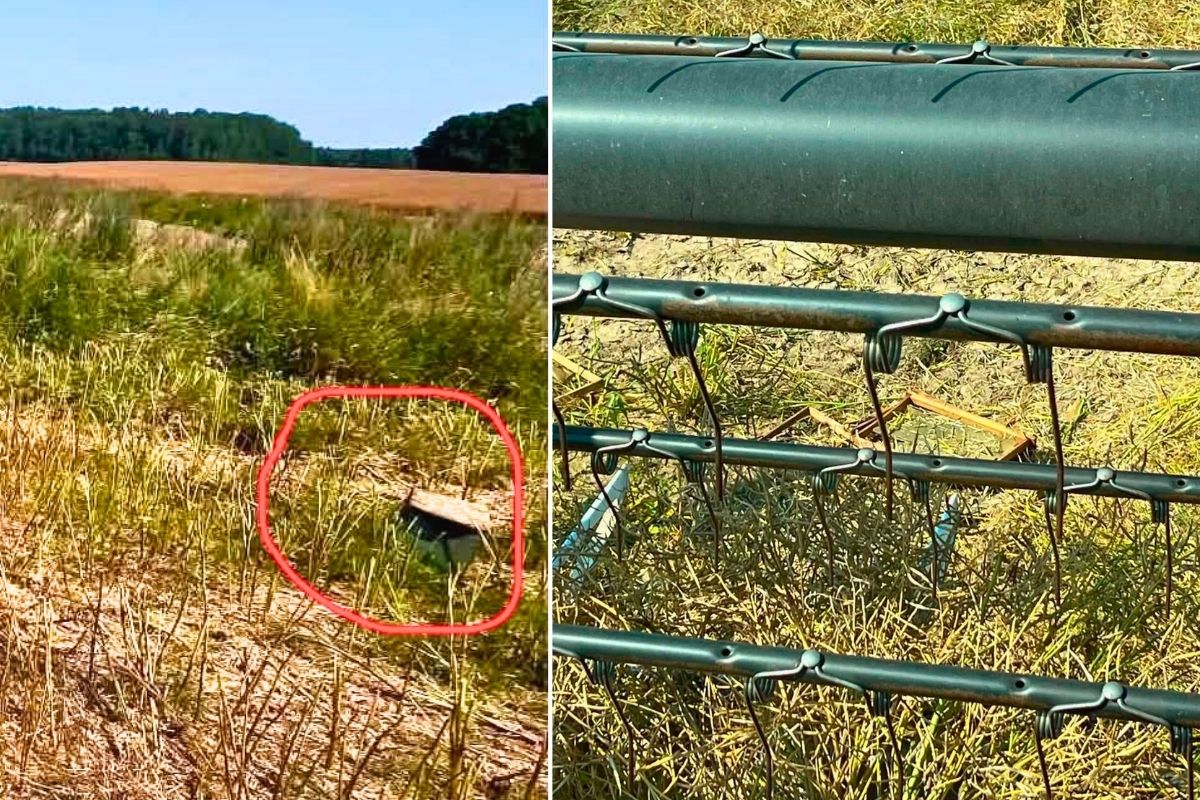
“MR. Ūkis” shared on Facebook the situation it encountered during the first few days of the harvest – parts of beehives, frames, boxes and other beekeeping equipment were found abandoned in three different rapeseed fields. Some of these were almost invisible amongst the crops, whilst others ended up in the path of the combine harvester’s cutting bar.
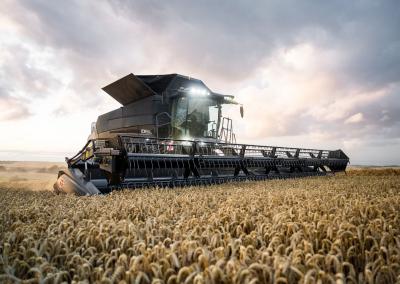
According to farmers, such situations pose a real threat not only to expensive agricultural machinery, but also to people’s safety and the bee colonies themselves. Even a small object left in the field can damage a combine harvester, halt the harvest at the very busiest time of year and cause additional losses. In the event of a collision with machinery, the bees have almost no chance of survival.
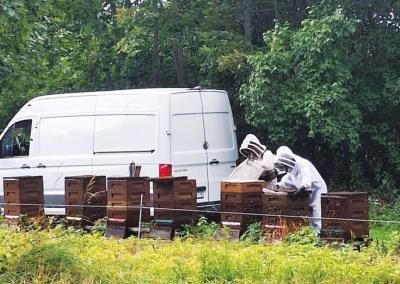
Farmers point out that the locations of beehives must be clearly marked in accordance with established procedures, and that hive owners should inform the landowner or the farmer working the field about the placement of the hives. It is equally important to remove all beekeeping equipment from the fields before the grain harvest begins and to agree on a time for its collection.
According to „MR. Ūkio“, respect for beekeepers’ work is beyond doubt, but it must be mutual.
„Before setting up hives on someone else’s land, contact the landowner, specify the exact location, leave your contact details, agree on a time to remove the hives, and collect all your equipment before the harvest begins. A single phone call or text message would have helped to avoid such a situation“, – comments “MR Ūkis“ on the incident.
Responsible communication between beekeepers and farmers is said to help protect not only property but also life, which is vital for agriculture, biodiversity and the preservation of the entire ecosystem.

Similar articles

Video