
































Lithuanian Stud Farm prepares for changes following an audit
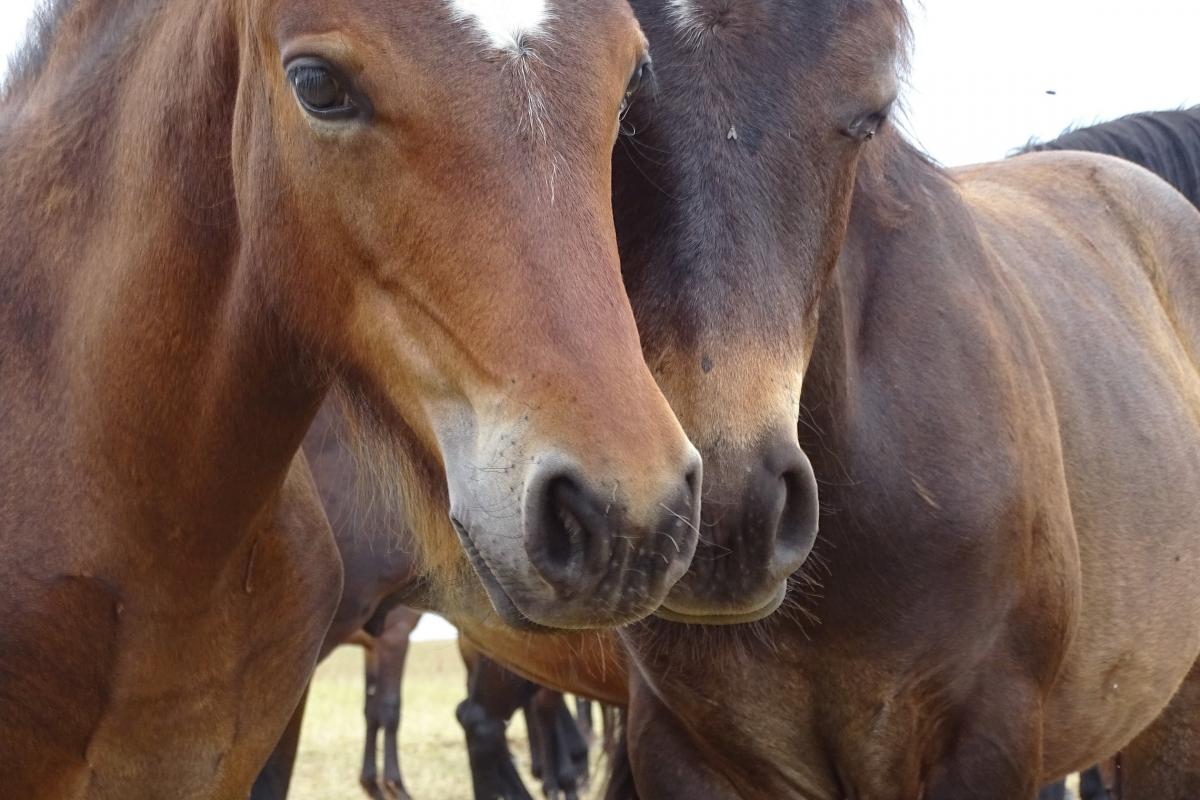
Following the resignation of the entire management team of the Lithuanian Stud Farm last year due to poor operational results, an audit of the company identified shortcomings in internal controls, horse sales, stable rentals and stock-taking, according to the Ministry of Agriculture.
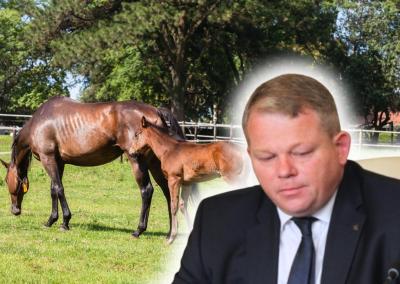
The chairman of the company’s newly appointed board says that decisions regarding the stud farm’s management and investment in building refurbishment will be made in line with the audit’s recommendations.
As the Ministry told BNS, following an operational audit of the Lithuanian Stud Farm for 2024–2025, the company’s management and internal control systems were assessed as satisfactory, but risks within the company are only partially managed.
“The audit identified internal control weaknesses in the accounting for biological and fixed assets, as well as in the areas of horse sales, stable rentals and stocktaking, which could have affected the company’s operating results,” – the Ministry stated in a comment to BNS.
According to the Ministry, the auditors have provided recommendations on how to rectify the shortcomings, and the company has already begun to implement them.
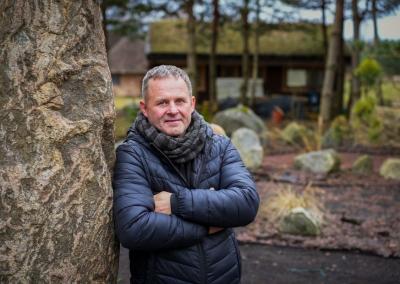
As Andrejus Cedronas, chairman of the stud farm’s board of directors, who was elected a month and a half ago, told BNS, the audit report prepared by the Ministry’s Centralised Internal Audit Department was submitted to the company on 14 April.
“The internal audit report is not public (…). In accordance with the audit recommendations, an action plan will be drawn up and implemented. The newly elected board is familiarising itself with the audit findings and will assess the progress of their implementation“,” A. Cedronas told BNS in a comment.
As reported by BNS, Gerda Žibūdaitė has been managing the stud farm since the end of September last year, and its new board was elected on 28 May. The board still includes Tomas Miškinis, who previously headed the companies “Avocetė”, “Uogintai” and “Gastroneta”, and Sandra Zaborienė.
Last March, the shareholders of the Lithuanian Stud Farm decided that, following a request from the public prosecutor’s office to investigate its activities and the resignation of the board, an internal audit must be carried out and the company’s articles of association amended.
The stud farm’s former director, Felicija Kelmickaitė, stepped down of her own accord last February, and the ministry then approached the Prosecutor General’s Office requesting the launch of a pre-trial investigation into the former director on suspicion of corruption.
The Prosecutor General’s Office later stated that the Special Investigation Service had refused to launch a pre-trial investigation, as no act had been committed that constituted a crime or a criminal offence.
Last June, the Supreme Commission for Professional Ethics ruled that F. Kelmickaitė had confused public and private interests by instructing that invoices submitted by an organisation run by a person close to her be paid.
Horse riding and horse care services are being expanded at the Riešė branch
BNS reported that in December 2024, the Lithuanian Stud Farm announced it was closing the loss-making branch, but in January 2025, the Riešė community approached the ministry with a request to keep the branch open.
The local community considered whether the stud farm’s losses might have been caused by poor management, but the stud farm’s board claimed that the main problem was insufficient funding, and that the losses were due to old, unrenovated buildings and outdated equipment.
The chairman of the stud farm’s board told BNS that the closure of the Riešė branch is not currently under consideration; on the contrary, riding and horse-care services there are being expanded.
„The newly elected board of directors plans to review the company’s strategic business plan and, having assessed the internal audit recommendations and the company’s financial capabilities, decide on priorities for further investment and infrastructure modernisation“, – A. Cedronas told BNS.
„At present, no decisions have yet been taken on specific building refurbishment projects“, – he added.
A report submitted by the company to the Centre of Registers (RC) states that this year the company plans to review opportunities to generate additional revenue – by offering new riding services and continuing existing ones, increasing the number of stables available for rent, and organising commercial events.
BNS reported that the Lithuanian stud farm’s net profit fell by 38 per cent last year to 65.6 thousand euros (105.6 thousand euros in 2024), whilst revenue fell by 17 per cent to €760.7 thousand (€919.6 thousand), according to the company’s report submitted to the RC.
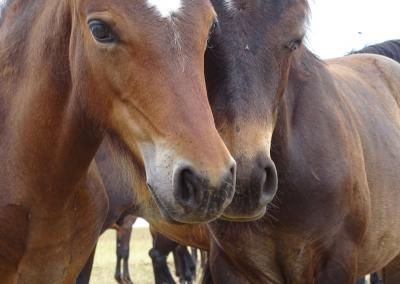
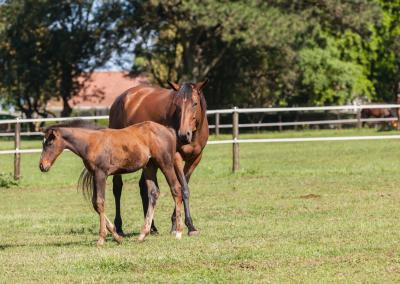
The company operates three branches: in the Vilnius district (Vilnius Stud Farm), in Pagėgiai (Nemunas Stud Farm) and in the Zarasai district (Sartai Stud Farm). The company is responsible for the conservation of the genetic resources of local horse breeds.
The Ministry of Agriculture holds 89.6 per cent of the company’s shares.

Similar articles
Video