






















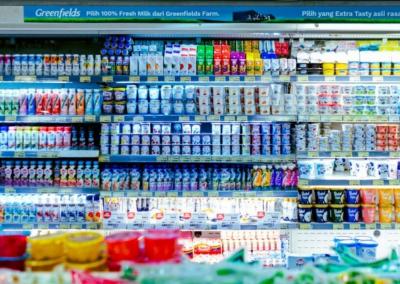






























Prices for dairy products on the global market are stabilising, but the price of raw milk in the EU is falling
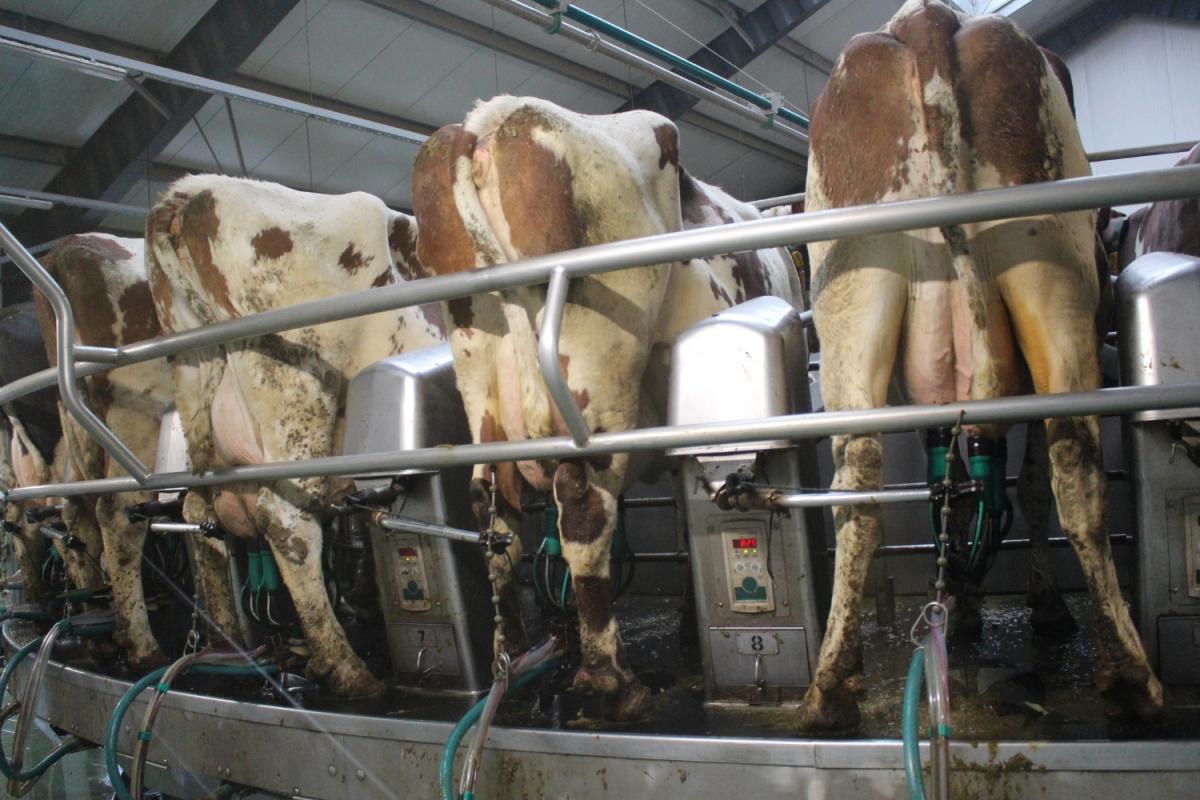
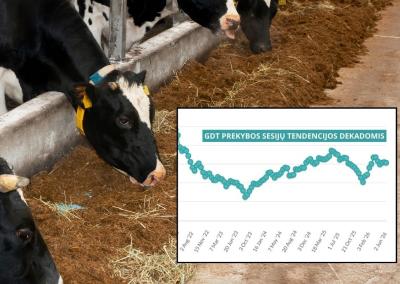
There are signs of stabilisation in the global dairy market, but the purchase price of raw milk in the European Union (EU) continues to fall. In the latest “Global Dairy Trade” (GDT) trading session, the overall dairy price index rose by 0.1 per cent.
It is reported that the price index has risen for the second time in a row. In the previous auction, it rose by 1.5 per cent, having previously fallen three times in a row.
During the latest trading session, lactose saw the sharpest price rise, with its price index climbing by 4.1 per cent. The price index for Cheddar cheese also rose by 3.8 per cent, for skimmed milk powder by 1.2 per cent, for mozzarella cheese by 1 per cent, and whole milk powder by 0.2 per cent.
Meanwhile, the price index for buttermilk powder fell by 2.8 per cent, that for butter by 2.3 per cent, and that for anhydrous milk fat by 0.8 per cent.
According to GDT data, 40.5 thousand tonnes of dairy products were sold at auction, with an average weighted price of 3,778 US dollars per tonne.
According to preliminary data from the European Commission’s (EC) Milk Market Observatory, the average purchase price of raw milk in the EU fell by 0.7 per cent in June to 42.34 euro cents per kilogram. This marked the ninth consecutive month of price falls.
Since September last year, when a kilogram of raw milk cost an average of 53.4 euro cents, the purchase price has fallen by 20.7 per cent.
According to the EC’s review, milk procurement grew rapidly in Germany, the Netherlands, France, Belgium and Poland during the first quarter of this year.
The review forecasts that milk production in the EU will increase by 1.6 per cent this year, but growth is expected to slow in the second half of the year due to rising costs and their impact on farm profitability.
It is also forecast that cheese production in the EU will rise by 1.8 per cent this year, whilst whey production – 1.4 per cent; skimmed milk powder production is expected to rise by 6.9 per cent; and butter production will be boosted by a higher supply of raw milk.
Meanwhile, production of whole milk powder may fall by 3.1 per cent, and that of fresh dairy products by 0.6 per cent.

Similar articles
Video