


















Panevėžys region beekeepers: less early honey this year
This year's winter has been a surprise with heavy snow and longer than usual cold spells. While beekeepers have been used to milder seasons in recent years, this time it was a case of remembering older overwintering conditions.
This spring has not been too kind to Lithuanian beekeepers either. The late spring has also delayed the honeymoon and the first honey. However, beekeepers assured that even the honey produced by Lithuanian bees later than usual will be of the same quality as when the spring was particularly favourable for the honey harvest.
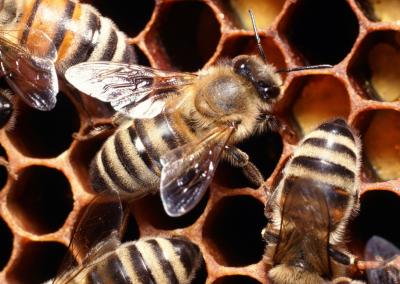
Bees working in disguise
After a cold spring, beekeepers can finally breathe a little easier – the bees are now working in full swing and bringing in plenty of honey. Beekeepers reassure us that there is no need to moan about the low honey yields.
„As the spring is cold, the quantities of spring honey are expected to be lower. It is difficult to predict yet what the season as a whole will be like and what the summer will be like. Of course, now that we have warm days, bees are working hard. The maple trees have already blossomed, the blinds are in bloom and the dandelions are coming to an end. So the honey from these plants will not be high. However, oilseed rape is flowering intensively, so hopefully we will have honey," Arbutavičius said, adding that the honey production has not yet started.
More honey is being bought worldwide
Lithuanian bees can produce a lot of honey, he said.
„The consumption of bee products and honey is growing in Lithuania, but at a slower pace than beekeepers would like. There is still not such a good culture of consumption of bee products, so buying is not as active as in other countries, where several times more honey is bought," he said, adding that he appreciates darker honey.
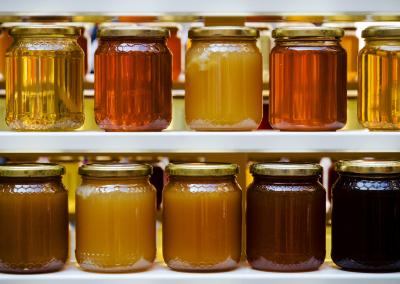
„In terms of honey types, spring honey is often interspersed with rapeseed honey in our region. It is very light, almost white, so Lithuanians are less keen on this light honey, even though it is the one that is most appreciated and even fetches a higher price abroad. Meanwhile, our countrymen prefer lime and forest honey. It is yellow and more aromatic, but we have to wait for the lime trees to start flowering and for other plants to flower. I am thinking of making honey in the first decade of June.“Spring – tough
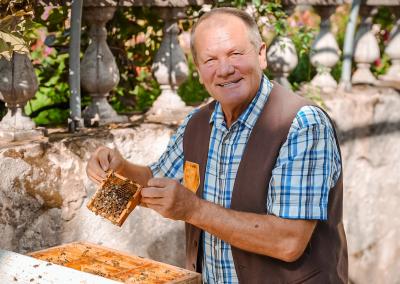
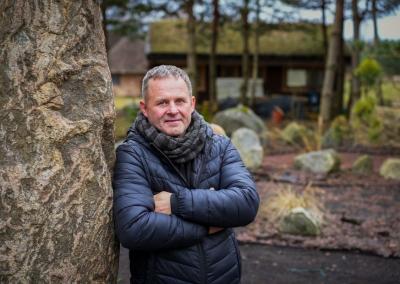
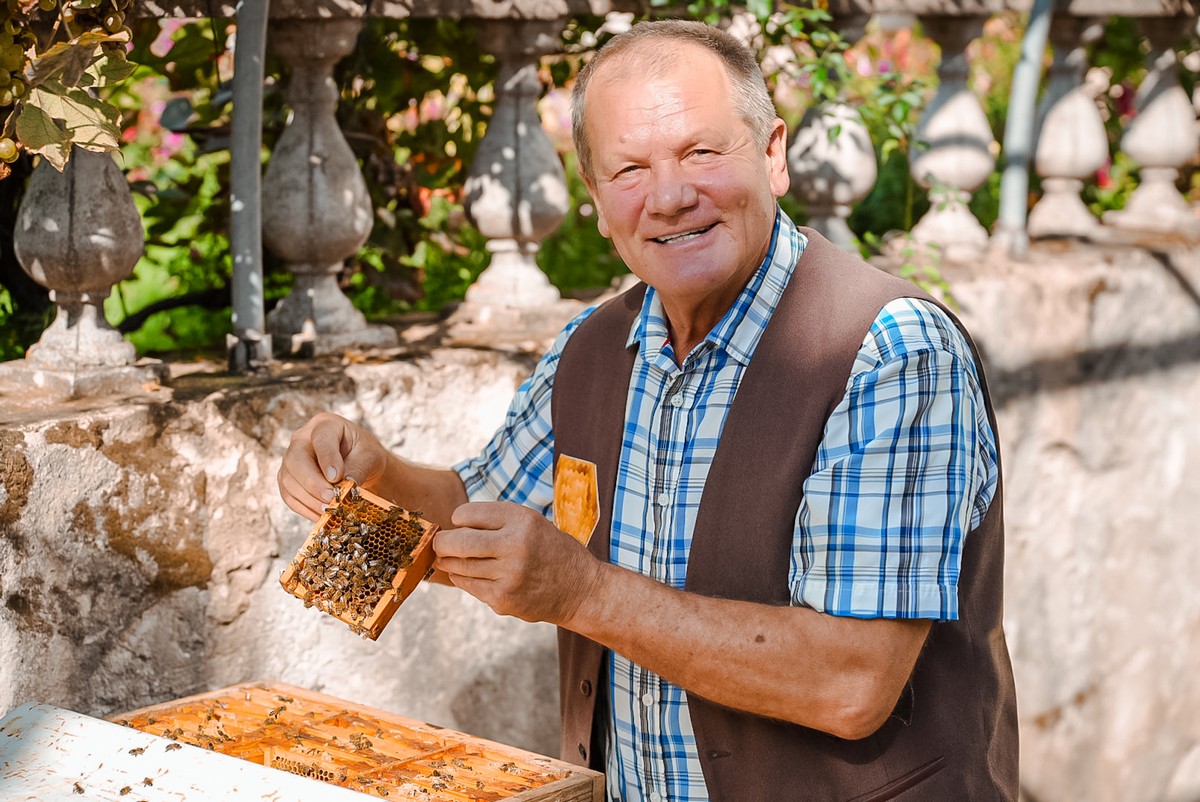
Beeker Zenonas Vezbergas admitted that this spring is really hard – it's a lot of work and nature can change everything in a few cold weeks.
„Now a lot will depend on June and July flowers. After cold springs, it is often a very different year, even between neighbouring districts: in some places the bees are "recovering" and in others there is hardly any honey harvest. Nature is very unpredictable in beekeeping. That is why we speculate that if the summer is not very favourable, there may be less honey and prices may rise, but if the situation changes, there may be honey. Especially since the most important thing for bees is stable warm weather and flowering," Vezberg said.
Early harvest sufferedBees fly less and use up more of their stores when spring is cold, he said.
„This is why the early harvest suffers, as there was both rain and wind during this flowering period and the air temperature was not high. Then, even fields that have flowered profusely may produce almost no honey. However, I hope that it will be a good summer and that the bees will produce honey. The bees may still be able to make up for it in June and July, but what the price of honey will be – I can't answer that now, – said the beekeeper, admitting that if the summer is cool and rainy, the 2026 honey harvest could be weak.

Similar articles
Video