























































































Russian wheat exports have fallen to a 16-year low: the port blockade is already taking its toll on farmers
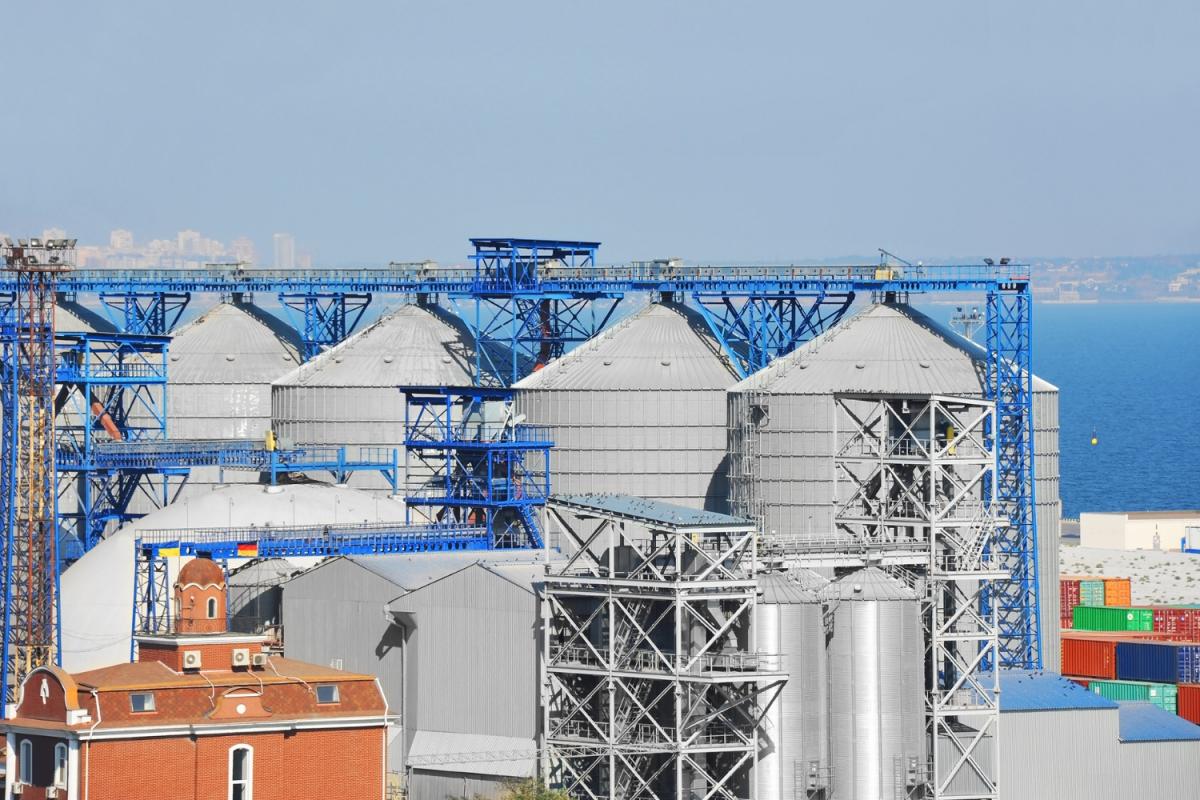
Russia’s wheat export chain is experiencing one of the biggest upheavals in the last 16 years – due to attacks on port infrastructure in the Black Sea and the Sea of Azov, only around 2.2 million tonnes of wheat may be exported from the country in August. This would be roughly half the volume exported during the same period last year and one of the worst August figures in the last 16 years.
The latest market estimates suggest the disruption could be even greater: S&P Global currently estimates August exports at only around 1.8 million tonnes.
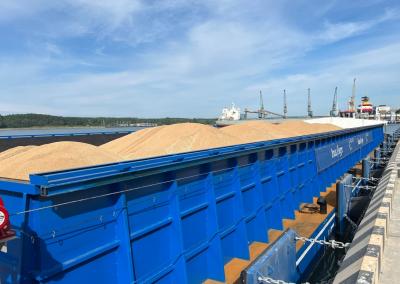
The main problem is a logistics bottleneck that has formed in southern Russia. On 12 August, following a drone attack, two major grain terminals in Novorossiysk suspended operations. One of them – the terminal at the Novorossiysk Bakery Products Factory – shipped 6.23 million tonnes of grain during the 2025–2026 marketing year, so the suspension of its operations has severely restricted one of Russia’s most important export corridors.
Even earlier, the grain terminal at the Port of Taman, which has an annual capacity of around 5 million tonnes, had been severely damaged. As a result, exporters were left with far fewer options for channelling the new harvest to foreign markets.
The problem is not merely technical. This year, Russia is facing a situation where the harvest is good, but the export infrastructure is unable to move it out quickly enough. Arkadijus Zločevskis, head of the Russian Grain Union, has warned that the 2026 harvest could reach nearly 140 million tonnes, but as stocks build up, there is a shortage of buyers and opportunities to ship the produce.
This is already having a direct impact on Russian farmers. With export channels faltering, grain is piling up in the domestic market, and sellers are forced to compete for a limited number of buyers. According to estimates by participants in the Russian agricultural market, domestic grain prices have fallen by around 18 per cent since June, and some farms are selling their produce at a price that does not cover production costs. The Russian Grain Union warns that if this situation persists, farmers may begin to run short of working capital for next year’s sowing.
Export problems are evident not only in the August forecasts. In July, Russia exported around 2.03 million tonnes of major cereal crops – 37.6 per cent less than a year ago, when 3.25 million tonnes were shipped. At the same time, around 2.1 million tonnes of grain were shipped by rail in July, 37 per cent more than a year ago, but rail transport alone cannot compensate for the lost maritime capacity.
The problem with the export corridor is further complicated by growing risks to shipping. In mid-August, attacks on grain-carrying vessels were reported, which are driving up the costs of shipping, insurance and freight (transport costs). According to S&P Global, the freight rate for transporting grain from the Black Sea to Egypt has surged to around 70 US dollars per tonne.
This has consequences not only for Russia. Russia and Ukraine together account for around a quarter of the global supply of wheat exports, so disruptions to Black Sea logistics are quickly felt in the international market. Reuters reports that, due to attacks on Black Sea ports and ships, global wheat buyers are already facing supply uncertainties, whilst Chicago wheat futures have risen by more than 17 per cent since the start of July.
The situation is particularly acute in countries that traditionally rely on grain from the Black Sea region. Egypt, the world’s largest wheat importer, sourced more than 82 per cent of its wheat from Russia and Ukraine in the first half of 2026. Consequently, a prolonged disruption to exports may force buyers to seek alternative suppliers in North and South America, Australia or other markets where logistics and grain prices are higher.
Paradoxically, this blow to Russia comes at a time when the country is recording a bountiful harvest for the new season. This means that the problem lies not in grain production, but in its sale. If port operations are not restored, grain silos and warehouses will become increasingly overloaded, domestic prices (for example, for flour, baked goods and so on) will fall, and farmers will lose their income.

Similar articles





Video