


































Climate change is affecting more than just the weather: what will become more expensive and where opportunities are emerging for the Baltic states

In the Baltic states, climate change often seems like a distant problem. In Greece, Spain or Italy, where heatwaves, droughts and forest fires are already having a direct impact on tourism, agriculture and the economy as a whole, the perspective is different. Nevertheless, we too will have to realise that climate change will increasingly be evident not only when we look at the thermometer, but also on our shop receipts, insurance bills and in the national budget.
Not everyone is happy about the heat
In 2024, Europe recorded its warmest year on record, with the average temperature 1.47 degrees higher than the 1991–2020 average. In Lithuania, 2024 was the warmest year on record since meteorological observations began: the average annual air temperature reached 9.5 degrees, or 2.1 degrees higher than the long-term average.
According to the European Central Bank’s assessment, the summer heatwave of 2025 in the eurozone could have pushed up unprocessed food prices by 0.4–0.7 percentage points just one year later, i.e. this year. The same research indicates that by 2060, an extreme summer in Europe could push food prices up by as much as 1.8 percentage points more than they would have been without climate change.
We have no shortage of inflation even without climate-related issues. For the time being, inflation is still most heavily influenced by geopolitics, where there has certainly been no shortage of unrest recently. We are trying to resolve geopolitical issues, whilst the impact of climate change is not yet so pronounced, so we are not yet taking any serious action, although we probably should be.
The European Commission’s agricultural market outlook indicates that in 2024–2025 wine production in the European Union (EU) is expected to reach its lowest level in 20 years, whilst the apple harvest could fall by 4 per cent, peaches and nectarines by 5.8 per cent, and that of peaches and nectarines by 2.6 per cent.
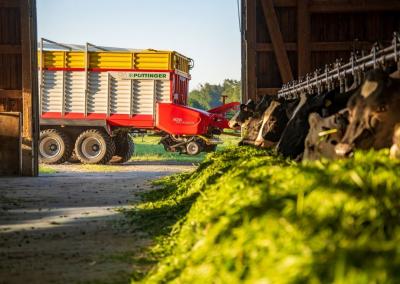
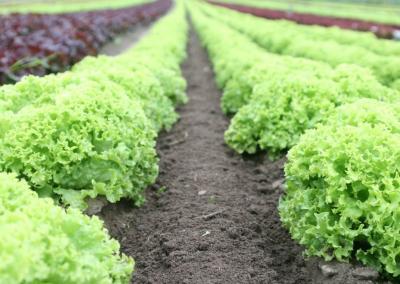
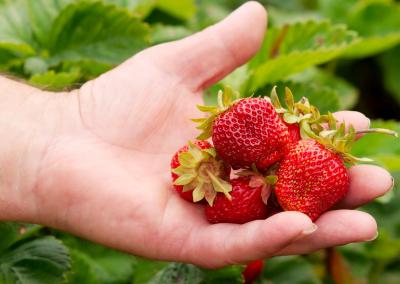
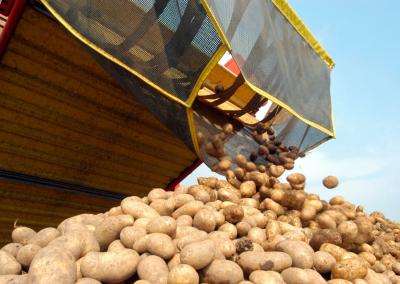
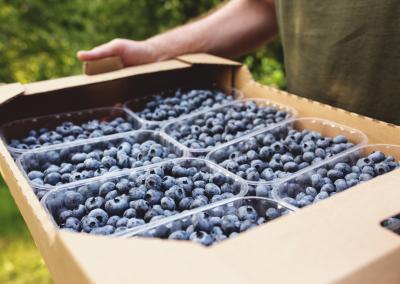
The most vulnerable categories are already fruit, vegetables, olive oil, grapes, cereals and animal feed, and, indirectly, dairy and meat products. The climate is becoming yet another constant factor that can no longer be ignored when forecasting inflation and monitoring the actions of the European Central Bank.
We must adapt before the cost becomes too high
According to data from the European Environment Agency, between 1980 and 2024, economic losses in the EU linked to extreme weather and climate events amounted to around €822 billion, of which more than €208 billion was incurred in the period 2021–2024 alone. Average annual losses between 2020 and 2024 amounted to €44.9 billion, compared with around €8.6 billion between 1980 and 1989.
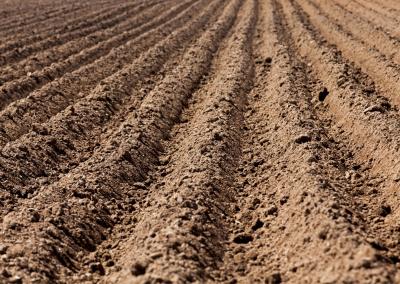
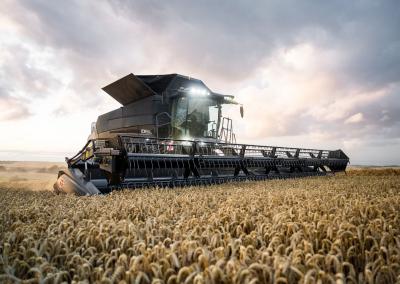
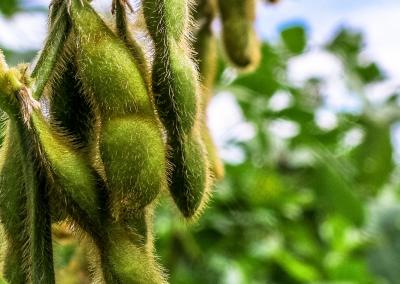
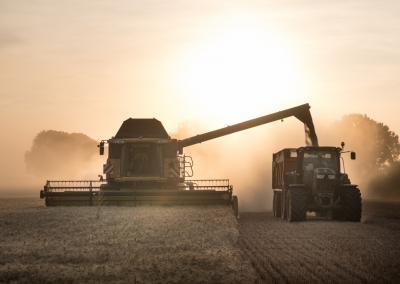
This raises the question: will some of the pressure on food production shift to Northern and Eastern Europe as Southern Europe becomes drier? In the Baltic states, we are already seeing crops that previously seemed riskier: more maize, winter wheat and rapeseed, with some experimentation with soya or grapes.
However, it would be naïve to think that Lithuania or Estonia will suddenly become new global wine-producing regions. Soil, drainage, storage, labour, processing infrastructure and market links do not materialise simply because summers have become warmer.
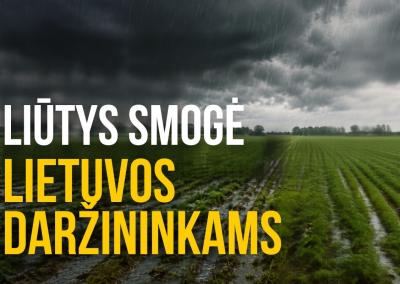
Initially, the negative changes will be most evident in regions affected by floods, fires and heatwaves. However, the Baltic states are not immune either: storms, flooding, forest pests, extreme rainfall and the vulnerability of electricity grids could prove costly for us too.
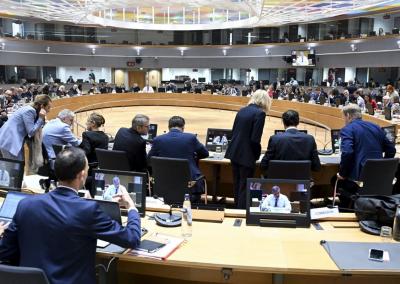
Governments will therefore have to take a different approach to infrastructure. Roads, bridges, railways, electricity grids and buildings were designed based on historical climate data, but the historical climate is no longer the same.
An assessment commissioned by the European Commission indicates that the EU will need around 70 billion euros annually by 2050 to adapt to climate change: around 30 billion euros – on infrastructure, 21 billion euros on ecosystems and 12 billion euros on food security. Will we really be able to find the money to strengthen our defence, build infrastructure and tackle other problems? Or will we simply print more billions again?
For the Baltic states, this is an opportunity that should be seized
At least in our region, global warming is not set to become a permanent existential economic problem in the near future. However, adaptation is often cheaper when started earlier: better land drainage, more resilient crops, more flexible farming practices, better-protected electricity grids, less construction in high-risk areas, and smarter urban planning.
For the Baltic states, climate change also presents an opportunity – thanks to a longer growing season, certain new crops, the bioeconomy, the timber sector, logistics and even tourism.
Perhaps one day we’ll need to seriously market our cooler summers to southern Europeans: “Tired of 40-degree heat and wildfires? Come and enjoy a pleasantly cool Nordic summer – 15 degrees and a light drizzle, just like a thousand years ago, in the days of the Vikings.“
Whilst southerners are struggling, the Baltic states have a range of opportunities. Fortunate are those who adapt quickly: farmers, local authorities, insurers, infrastructure managers and state budget planners. Climate change is no longer just an environmental issue, not even in the Baltic states. Let’s make the most of it.

Video