


















"Rural Life". The government talks about "short supply chains". Their creator explains what they actually are (VIDEO)
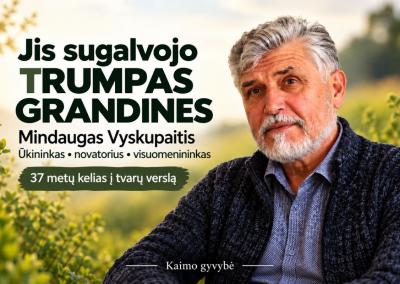
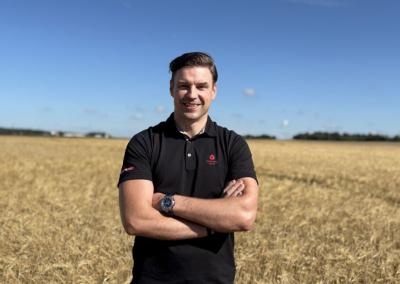
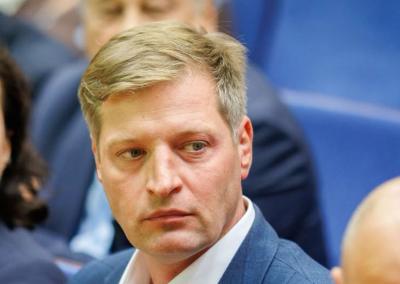
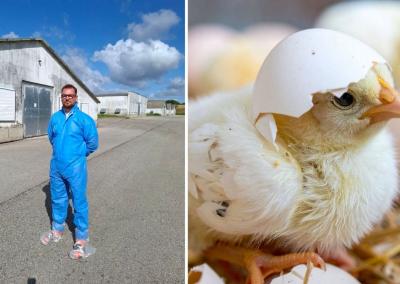
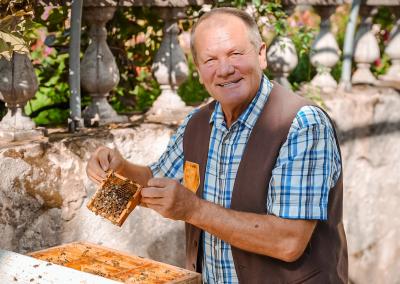
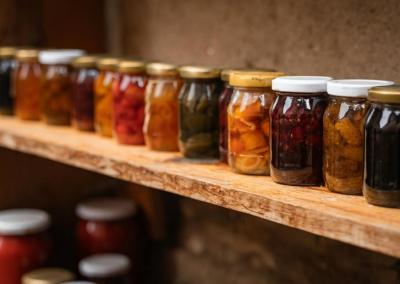
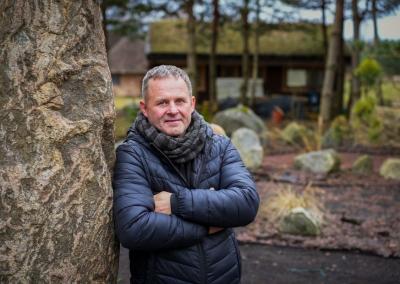
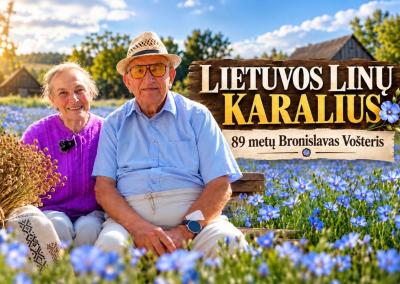
A farmer, innovator and community leader. This is Mindaugas Vyskupaitis, who works in the village of Vaidotai in the Vilnius district and has come a long way over the past 37 years, from farming to building a sustainable business. The company he founded, UAB “Mėta”, now processes herbs, bakes bread, produces preserves and, most importantly, supplies all of Lithuania’s major health resorts with aromatic oils and other products.
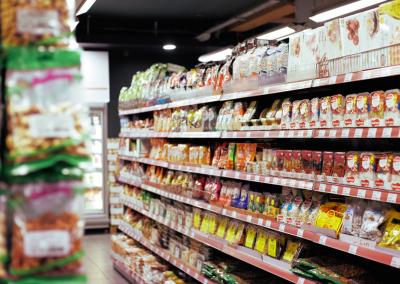
A visit to the company’s warehouse leaves one dizzy with the scent of aromatic substances, and the total range of products, judging by their names alone, amounts to around 200 items.
M. Vyskupaitis brings farmers together, supports rural festivals and educates both the public and the authorities on how to live healthier and more environmentally friendly lives.
It was M. Vyskupaitis who, a decade ago, coined the term “short supply chains”, which politicians and experts emphasise at almost every public meeting. This phrase has become inextricably linked with Lithuanian agricultural policy, yet few government representatives are still able to grasp what these short supply chains actually are.
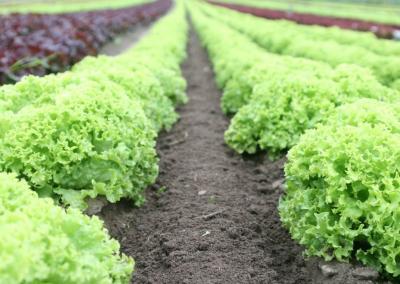
Mindaugas clarifies and expands on this vague understanding within the corridors of power. After all, he supplies bread and vegetables to nurseries as well.
M. Vyskupaitis also explained how good ideas often remain unimplemented and how enterprising people take advantage of the tools created for farmers.
His advice is: do not miss out on opportunities that arise; they are always worth seizing, without waiting for someone to bestow benefits upon you out of the goodness of their heart. This is exactly what happened to the valerian growers, who hesitated for a moment and effectively lost their chance to survive in a market where competition is fierce.
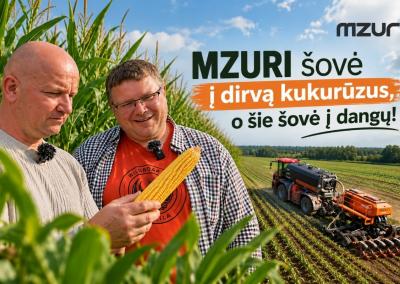
Watch this episode of “Kaimo gyvybė” to find out more. Subscribe to the “Agrobitė play” channel to learn more about these rural trailblazers. Perhaps they live right near you.
This documentary report was produced with partial funding from the Media Support Fund.

Similar articles

Video