



















































Farmers: the sowing of winter crops is a month behind schedule in some areas; peas have not been harvested; rapeseed fields are shrinking
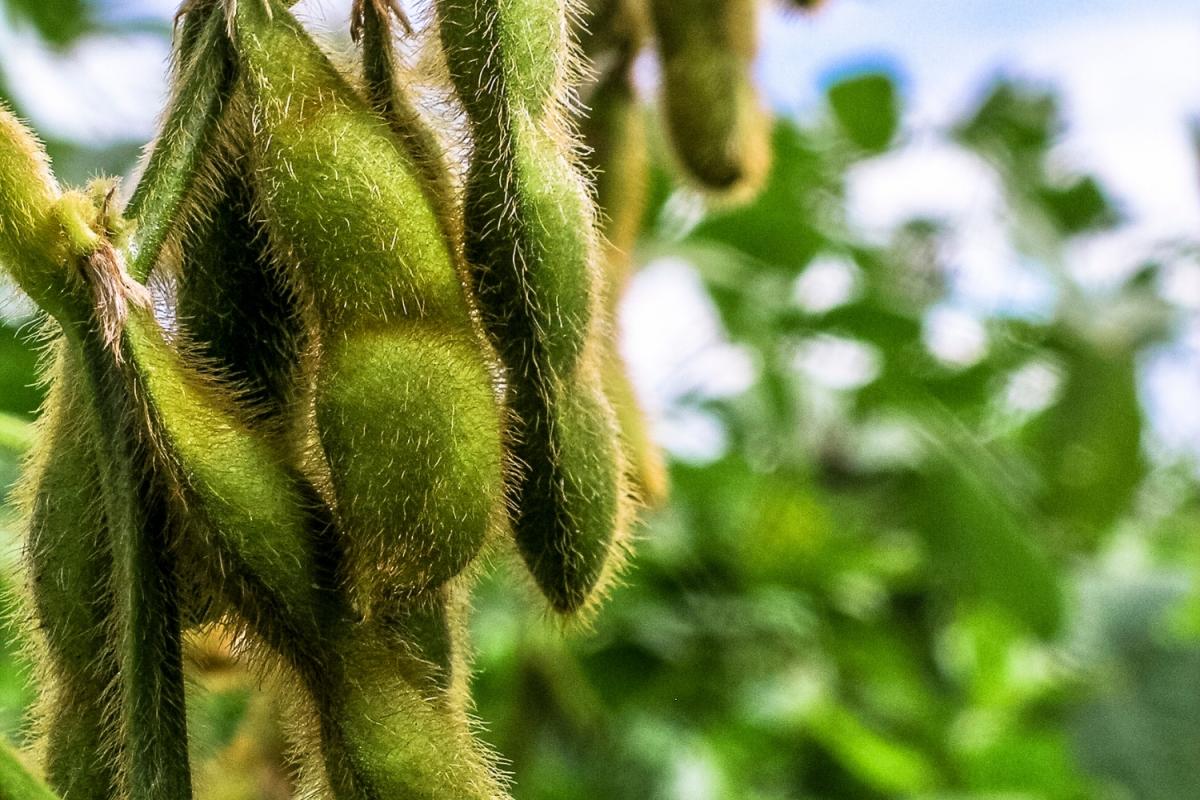
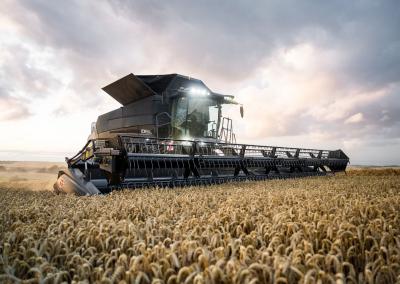
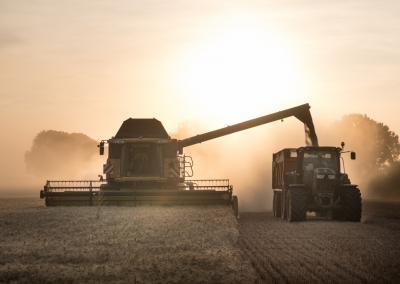
Farmers say that the sowing of winter crops is running about a month behind schedule in some parts of the country. In some places, it is impossible to drive onto the waterlogged fields, whilst in others the harvest – such as peas – has not yet been gathered.
Audrius Vanagas, Chairman of the Board of the Lithuanian Grain Growers’ Association, states that in some places the fields are even being dried out before sowing. According to Vytautas Buivydas, Vice-Chairman of the Lithuanian Young Farmers’ and Youth Union, far fewer fields have been sown with rapeseed this year.
Wet weather is delaying the sowing of winter crops
“Sowing is behind schedule compared to other years. It simply wasn’t possible to sow on time. For those who have sown, the quality will be poorer – immediately after 25 August, the quality declines, and the likelihood that the crops will strengthen and survive the winter is low ", – V. Buivydas told BNS.
According to him, the agronomic deadline for sowing other crops should be 10 October, although due to climate change it sometimes extends to 15 October.
“And in this regard, given that we are behind schedule, I believe that work in the fields has been very intensive this week thanks to the good weather. We won’t quite manage to finish sowing winter crops by 10 October; after that, the risks increase“,– said the vice-chairman of the Young Farmers’ and Youth Union.
A. Vanagas says that the situation varies from region to region: “Where there has been less rainfall, sowing is nearing completion or has already finished, whilst in the western part it is difficult to access the fields. Conditions vary from district to district.”
According to the farmer, some grain growers are drying out their fields before sowing winter crops.
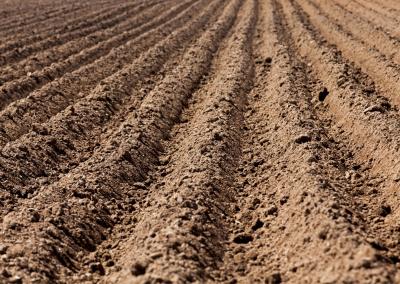
“At the moment, everything is limited by the moisture content in the soil itself, because, for example, where there are sandy soils, farmers went there first to sow – sowing is taking place there, but where there is clay or loam, or where there has been more rainfall, farmers are trying to dry the soil out somehow, because you can’t sow in soil like that. On warm, sunny days, they plough to loosen the soil, hoping it will dry out a little, as the colder nights and heavy mists cause a lot of moisture to rise to the soil’s surface,” – explained A. Vanagas.
According to him, the sowing of winter crops has been disrupted in the south, west and north of the country, for example in Anykščiai, Rokiškis and Utena: “The situation there is also rather poor. The same applies to southern Lithuania, where it seems sowing should already have been more or less completed. The situation is similar in Šakiai and Jurbarkas – the high moisture content is holding up the work“.
Rapeseed crops will decline
If farmers did not manage to sow winter rapeseed by the first few days of September, it is no longer worthwhile to sow or resow it now. Unless they manage to plant winter wheat instead.
“Significantly less has been sown, particularly in western Lithuania, and where sowing has taken place, cases of seeds being washed away or waterlogged have been observed,” said A. Vanagas.
Meanwhile, in central Lithuania, for example in the Pakruojis district, the sowing of rapeseed is not causing farmers any concern.
According to data from the Agricultural Data Centre (ŽŪDC), by mid-September almost 97.2 per cent of the rapeseed had been harvested, with an average yield of 3.05 tonnes per hectare – more than during the same period last year, when the figure stood at 2.78 tonnes, or in 2024 – 2.74 tonnes.
According to the Agricultural Data Centre (ŽŪDC), 14.2 per cent less winter rapeseed was grown this year than last year – 302,000 ha and 351,800 ha respectively.
In August, the purchase price of rapeseed was 11.1 per cent higher than in the same month of 2025 – 500.73 euros per tonne. It also exceeded the prices recorded in August 2023 and 2024, but was 22.3 per cent lower than in 2022, when it stood at 644.37 euros.
Unharvested peas are sprouting
During the week at the turn of September and October, some fields were not ready for the sowing of winter crops, whilst the harvest had been gathered in all fields.
“The fields aren’t completely empty. It doesn’t look as though it’s particularly wet, but the harvest hasn’t been gathered,” A. Vanagas told BNS.
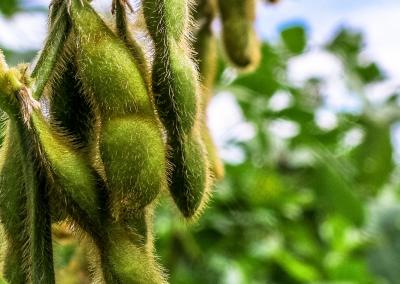
This year, the main concern is the harvesting of field beans, which cover almost 113,000 ha – they are usually harvested in early September. Winter wheat is usually sown after the field beans.
According to data from the Agricultural Data Centre (ŽŪDC), 32.7 per cent of the field bean area had been harvested by mid-September.
“They had already dried out, but then it rained. Moisture causes the peas to start sprouting and producing shoots quickly – in that case, they’ll be suitable for animal feed at best, because if they’ve already started sprouting due to moisture, that’s already a problem“, – said V. Buivydas.
According to him, if the farmers had harvested the peas three weeks ago, the quality would have been completely different – they would have been suitable for food.
Meanwhile, A. Vanagas says that beans harvested later are not necessarily only suitable for animal feed.
“If the beans haven’t split open on their own, they probably didn’t get much rainfall – ripening is uneven. In some places, the beans are even still green. This year, the quality of the beans isn’t too bad across the whole of Lithuania. If we compare it with last year, the quality was definitely poorer – there were more pods damaged by beetles. This year, the situation is better , he said.
This year, 6,700 growers sowed beans over an area one-third larger than last year. Between 21 and 27 September, the average purchase price for peas stood at 223 euros per tonne – almost 6.9 per cent more than last year.
According to data from the State Data Agency, last year’s bean harvest totalled 255,600 tonnes.

Similar articles
Video