










































Cereal farmers: 10 per cent of cereal crops have lodged following the rain; the harvest is expected to be average
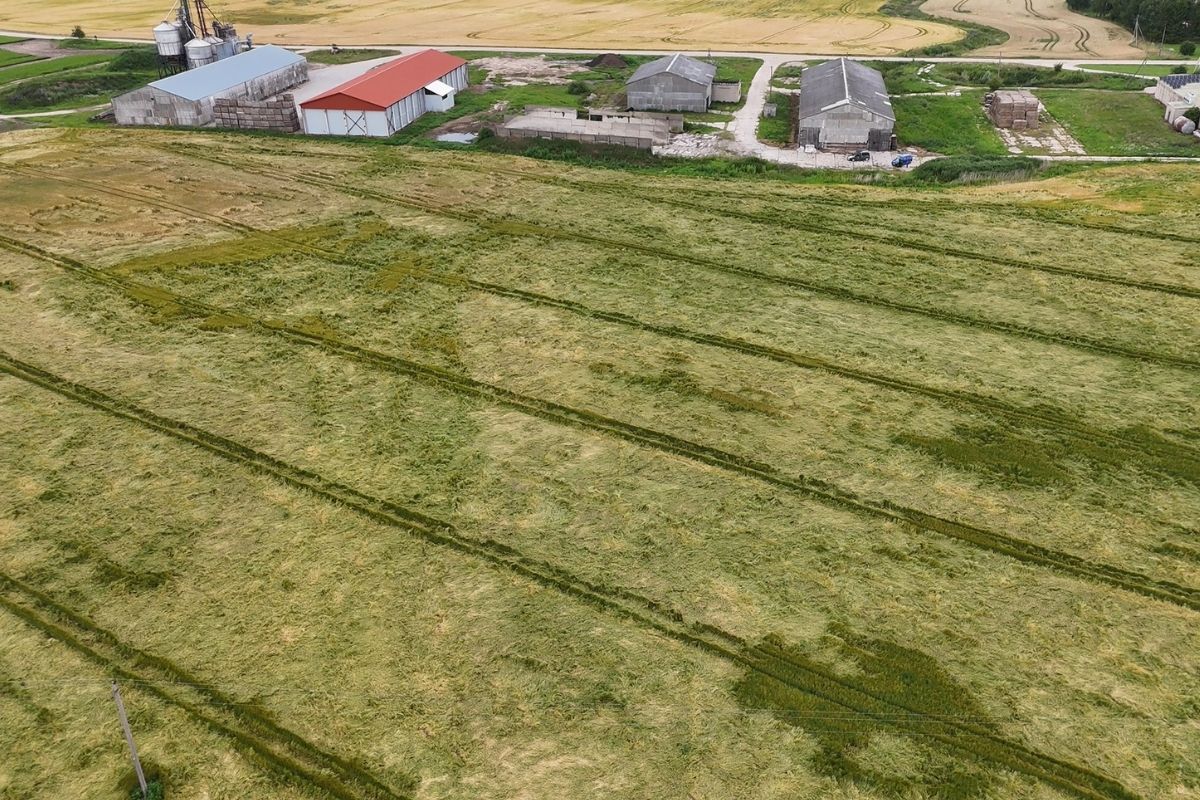
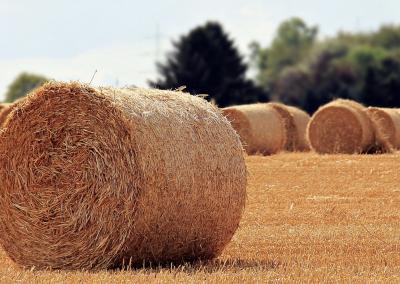
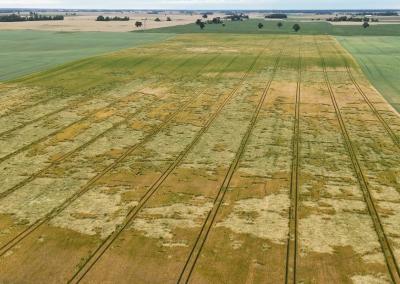
Cereal farmers say that even though the rain has flattened around 10 per cent of the cereals and other grain crops, this year’s harvest is expected to be no worse than last year’s.
However, there are fears that further heavy rain could worsen the situation.
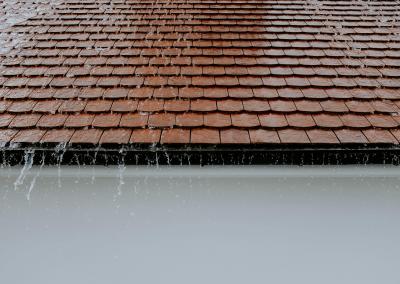
Audrius Vanagas, chairman of the Lithuanian Grain Growers’ Association, says that heavy and prolonged rainfall has caused around 10 per cent of crops to lodge.
„At present, around 10 per cent may have been damaged by the rain and flattened. A localised event, such as a hailstorm, could occur, and those figures could change significantly“ – he told BNS.
“It is a significant proportion in any case. Sometimes it can even wipe out the entire year’s profits, ” added the association’s head.
According to him, the fields of spring barley, peas and winter wheat were hardest hit by the rain – particularly those varieties that are prone to lodging.
“Winter wheat varieties are more susceptible, but spring barley has been the worst affected. From what I’ve heard from farmers, there’s practically no area where at least some of that barley hasn’t been flattened,” said A. Vanagas.
According to him, the situation in the fields varies: “In northern and north-western Lithuania, the situation isn’t actually that bad; we do have some lodging, but it isn’t particularly severe. However, on the other side of the country, the situation is completely different.”
“The more of the harvest that is brought in, the lower the risk of losing more of it,” said the farmer.
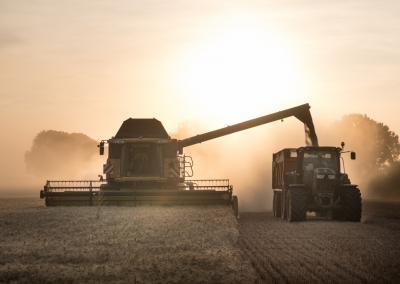
A representative of grain growers says that some farmers have already started harvesting wheat, some have already finished harvesting rapeseed, whilst others are only just beginning to head out into the fields.
According to A. Vanagas, judging by the quality of the harvested crop, it looks set to be an average one.
“There had been all sorts of reports suggesting that grain yields might reach record levels, but judging by the harvest currently being brought in, we’re hearing nothing of such records; rather, we’re looking at an average harvest, let’s say, in some places lower than average, for both rapeseed and winter barley. As for wheat, where harvesting has already taken place, the yield is a typical average one, in no way favoured by the weather“ – said A. Vanagas.
According to him, provided there are no major changes in the weather, farmers could describe the year as “normal, average”.
With farmers having delivered the first harvested barley to grain silos operating in Lithuania, the company “Linas Agro” forecasts that the harvest will be no worse than last year’s.
According to Justas Eimontas, the company’s Head of Cereal Procurement, the first signs of this year’s harvest are sufficiently positive.
“We’re hearing really good yield figures from farmers: ranging from an average of 5 tonnes per hectare on poorer soils to more than 9 tonnes per hectare in fertile areas. Furthermore, the specific weight of this year’s winter barley – its most important indicator – is slightly better than last year’s. This gives us reason to expect equally good results from other crops,“ – stated J. Eimontas in the report.
According to him, Lithuania is expected to harvest around 7.73 million tonnes of crops, compared with 7.65 million tonnes last year. The total harvest is forecast to increase by more than 1 per cent.
According to the grain market expert, although the forecasts for wheat in 2026 are not record-breaking, the quality of these crops offers much cause for optimism. He stated that this year’s natural conditions were somewhat more favourable, which may have allowed for the growth of stronger crops.
[[youtube=voif241dPLM]]

Similar articles


Video