

































































Latvian farmers took to the streets in their tractors to protest and issued an ultimatum to the authorities
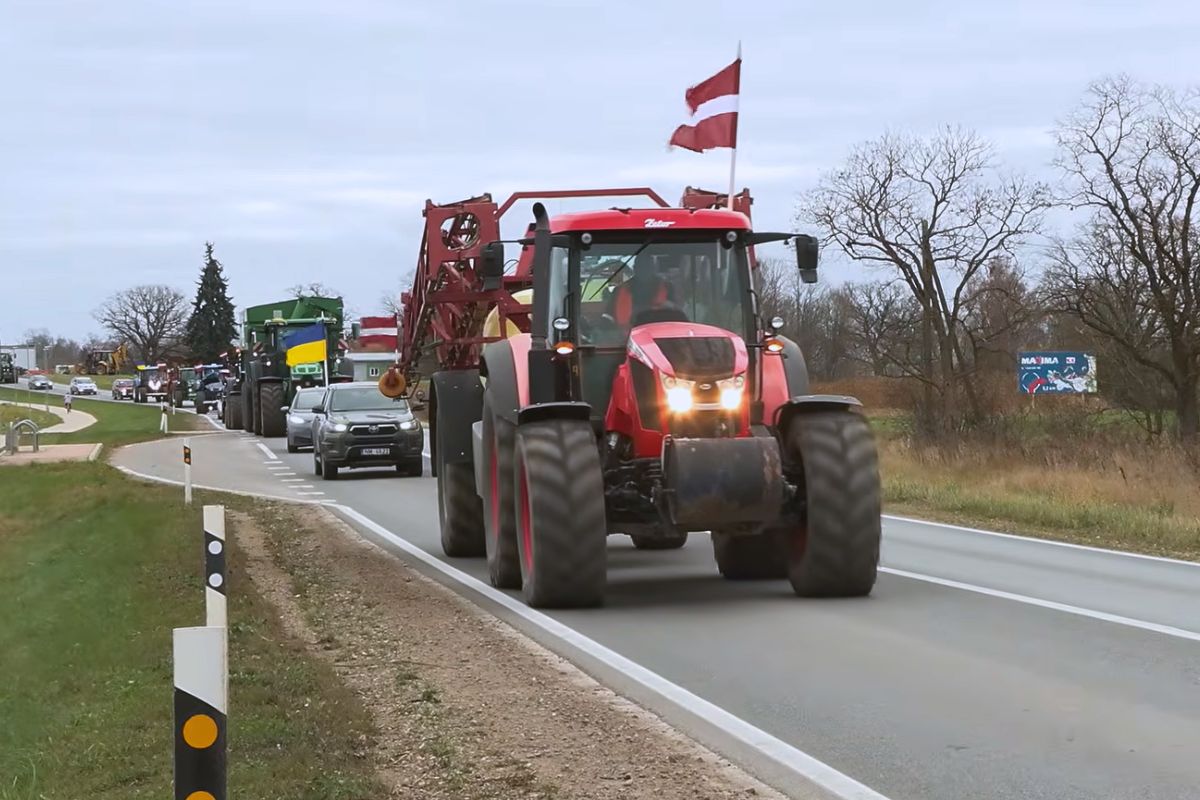
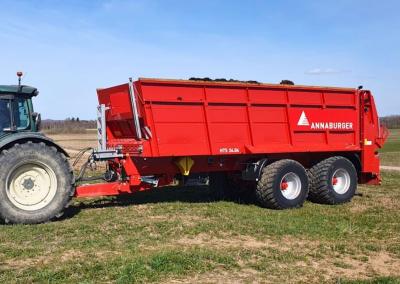
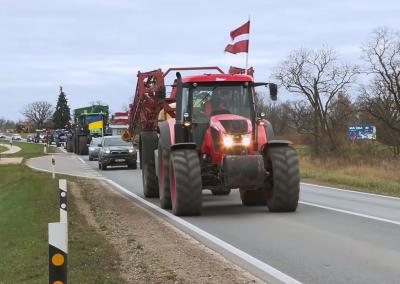
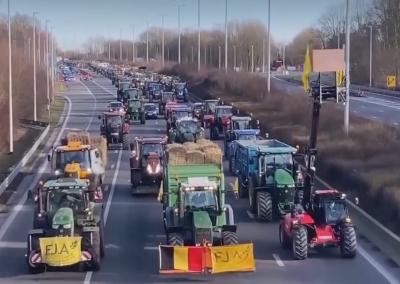
On Saturday, a large protest by farmers and members of the public took place in the Latvian town of Jēkabpils against the transit of Russian grain through the country. Under the slogan “No to blood-stained grain!” (“No to blood-stained grain!”), farmers from various regions of Latvia gathered with tractors, grain trailers, lorries and other agricultural machinery.
The protesters demanded that the Latvian government immediately halt the transport of grain grown in Russia and the Russian-occupied territories of Ukraine via the country’s railways to the Baltic Sea ports. The farmers also issued an ultimatum: if no concrete action is taken within two weeks, they are threatening to start blocking freight trains carrying Russian grain on 22 November.
Latvian Prime Minister Andrius Kulbergs, who attended the protest, had to listen not only to the farmers’ stern demands but also to their openly expressed dissatisfaction with the government’s inaction.
The protest began at 11 am in Jēkabpils, outside a branch of “Amazone”, a company selling agricultural machinery.
Participants began gathering as early as 9 am, and at the venue one could see the flags of Latvia, Ukraine and Estonia, protest placards and convoys of agricultural machinery.
Some farmers arrived by tractor, others by car, as travelling with heavy machinery from more distant regions of Latvia would have entailed considerable expense.
The protest took place just a few hundred metres from the railway tracks used to transport Russian grain, so the chosen location also had symbolic significance.
The farmers were joined by representatives of various civil society organisations, businesspeople, cultural figures, politicians and activists supporting Ukraine. Before the event, the organisers had hoped to attract around 2,000 people and 150–400 pieces of agricultural machinery.
Latvia’s public broadcaster LSM, citing journalists working at the scene, reported that several hundred people had in fact gathered, fewer than the organisers had expected. Despite the lower turnout, the protest attracted significant attention from the media and politicians.

Similar articles




Video