












































The crisis in the agricultural machinery market is deepening: Lemken is to cut 200 jobs

The German agricultural machinery manufacturer “Lemken” is undertaking a significant reorganisation. On 16–18 November, in Germany, Switzerland and the Netherlands indicates that, due to the prolonged slump in demand for machinery, the company plans to cut around 200 jobs in Germany.
The restructuring will affect the company’s production sites in the towns of Alpen and Haren. These sites employ a total of around 1,300 staff, meaning the planned staff reductions will affect more than 15 per cent of the company’s workforce in Germany.
The main reasons cited for the restructuring are increased production costs, reduced international demand for agricultural machinery and uncertain investment prospects for farmers. The company aims to reduce operating costs and adapt its organisational structure to the changed market conditions.
Staff reductions are planned across various divisions and management levels within the company. The information released to the public does not indicate any plans to completely discontinue specific product groups or to close entire production divisions.
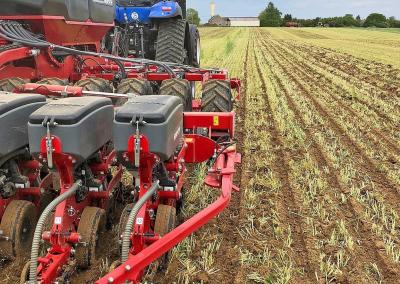
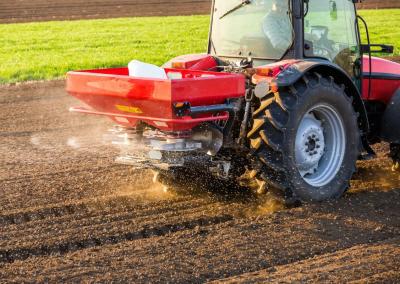
“Lemken” is one of Europe’s best-known manufacturers of tillage and sowing machinery. The company’s product range comprises ploughs, cultivators, disc harrows, seed drills, fertiliser spreaders, mechanical weed control implements and digital machinery management solutions.
“Lemken” solutions reflect the complex situation facing the entire European agricultural machinery industry. The November business climate index published by CEMA, the European Agricultural Machinery Manufacturers’ Association, stood at minus 32 points. Manufacturers of machinery for arable farms view the current situation as particularly unfavourable.
This market segment is being significantly affected by the decline in profitability of arable farms. With high costs for mineral fertilisers, plant protection products, fuel and financing, farmers are increasingly postponing the purchase of new implements or opting to upgrade the machinery they already use.
The falling demand for European tillage machinery may create more favourable conditions for Lithuanian farmers to negotiate prices for new ploughs, harrows and seed drills.

Similar articles

Video