















































Milk prices are rising, but it is too early to celebrate: farmers are receiving 59 euros less per tonne than last year
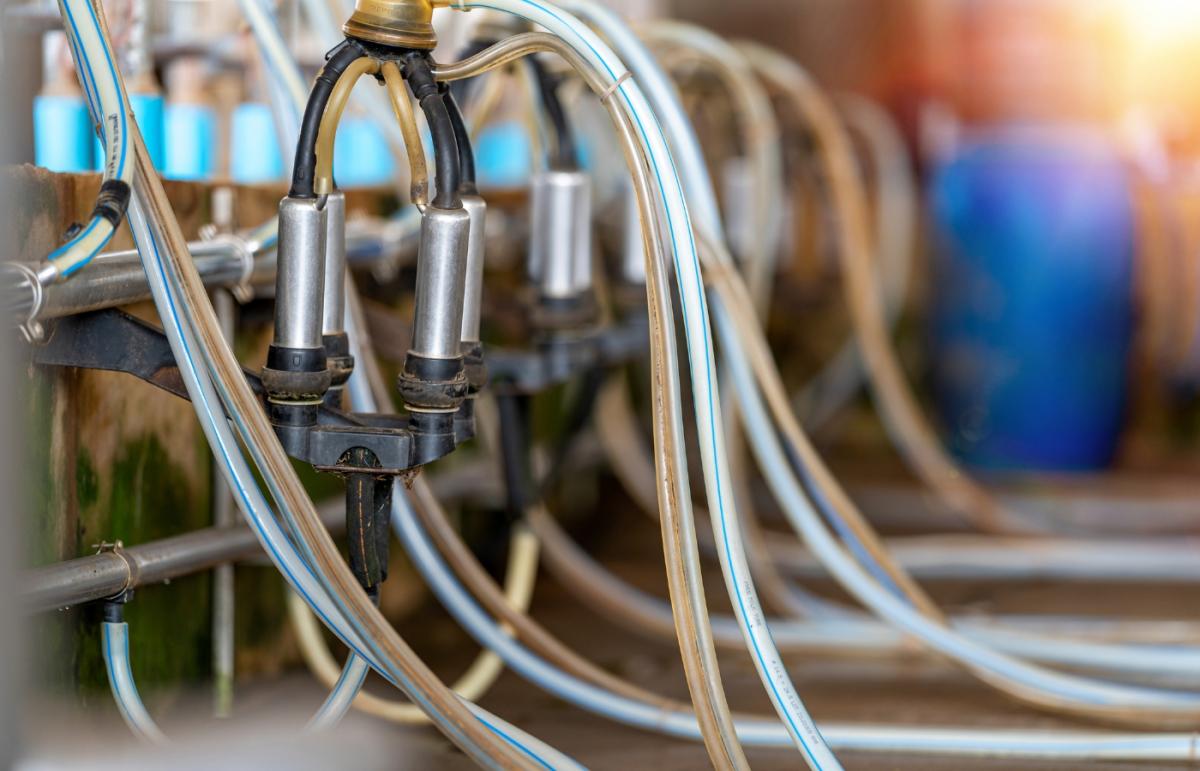
Signs of recovery are emerging in the Lithuanian dairy sector – milk purchase prices have been rising for the fourth month in a row. However, the rising prices have not yet offset the slump experienced in recent years, whilst falling purchase volumes and increasing concentration in milk production reveal ongoing structural changes in the sector.
According to data from the Agricultural Data Centre (ŽŪDC), in October 2026 the average purchase price of raw natural-fat milk in Lithuania reached 433.20 EUR/t (excluding VAT). Compared with September, it rose by 7.9 per cent, or €31.65 per tonne. However, compared with October 2025, when the price per tonne of milk was €492.41, the price remained 12 per cent, or €59.21 per tonne, lower.
The recovery in milk purchase prices began in the summer, after reaching this year’s lowest point in June – €347.67 per tonne. In July, the price rose to €353.78 per tonne, in August to €360.85 per tonne, and in September to €401.55 per tonne. Over the course of four months, the price of milk rose by 85.53 euros per tonne, or 24.6 per cent.
Farms selling larger volumes of milk continue to enjoy a significant price advantage. Producers selling 40 tonnes or more of raw milk per month were paid an average of 472.73 euros per tonne in October – 6.1 per cent more than in September. The price received by these farms exceeded the national average by €39.53 per tonne, or 9.1 per cent. However, a year ago, large-scale dairy producers received an average of 528.91 euros per tonne of milk, meaning the annual price decline in this segment stands at 10.6 per cent.
Based on aggregate data for October on purchase prices and volumes, it has been calculated that farms selling less than 40 tonnes of milk per month received an average of around 343 euros per tonne. This is almost €130 per tonne less than large-scale producers. This gap highlights the unequal economic prospects of farms of different sizes.
Despite rising purchase prices, the supply of milk is falling. In October, the country’s purchasing companies bought 119.12 thousand tonnes of raw milk from Lithuanian producers – 2.63 per cent less than in September and 2.14 per cent less than a year ago. Compared with October 2025, purchase volumes fell by more than 2,600 tonnes.
Large dairy farms accounted for 69.55 per cent of the total volume of milk purchased in October, or around 82.85 thousand tonnes. A year ago, their share stood at approximately 65 per cent. These figures indicate a further concentration of milk production in large farms.
According to rough estimates, the total value of milk purchased in October amounted to €51.6 million. In September, producers were paid €49.12 million for the milk they sold. Although the value of milk purchased rose by around 5 per cent over the month compared with October last year, it was still approximately €8.3 million, or 13.9 per cent, lower.
The ŽŪDC’s forecasts suggest that the positive price trends are set to continue into the end of the year – a further rise in the benchmark raw milk purchase prices is expected in November and December.
However, the four-month-long rise in prices has so far only partially offset the previous decline. For dairy farmers, the most important issue remains not only the rise in purchase prices, but also whether the income generated will ensure farm profitability, maintain production volumes and allow for investment in further expansion.

Similar articles

Video