

















Lithuanian seeds for the end of the world: what are our foresters protecting in Svalbard?
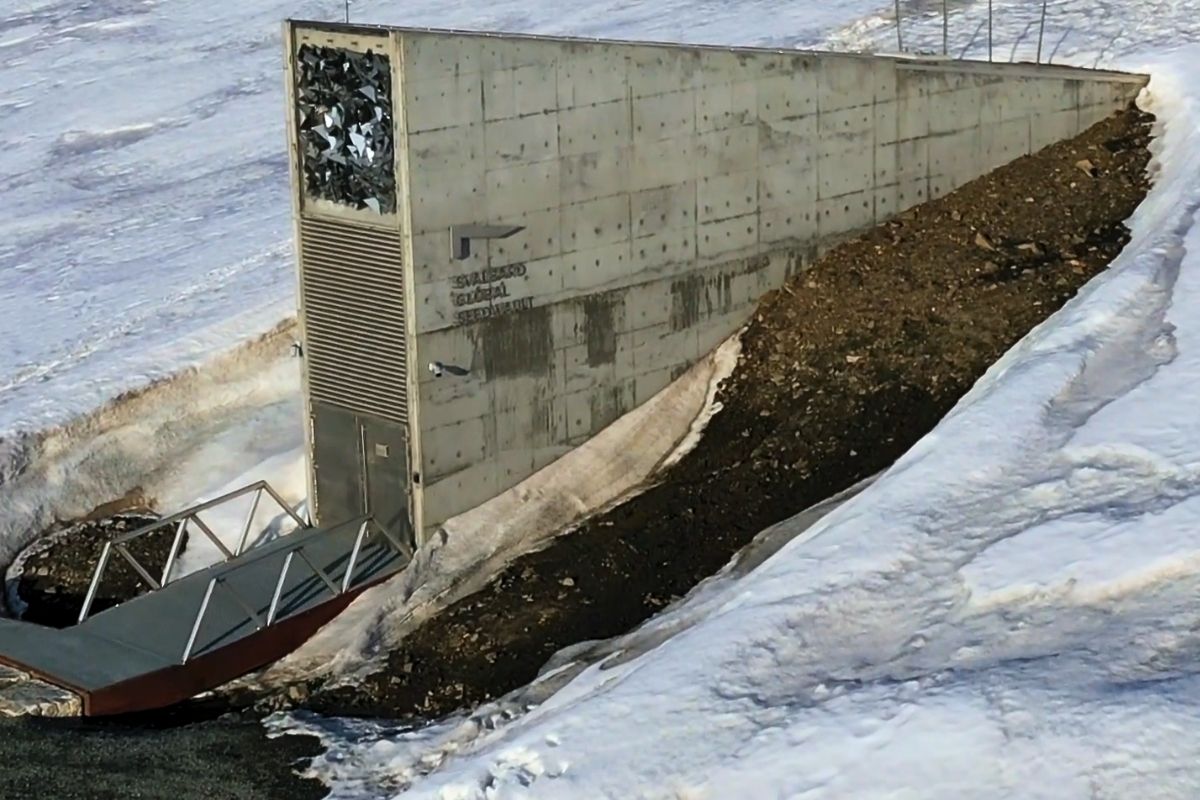
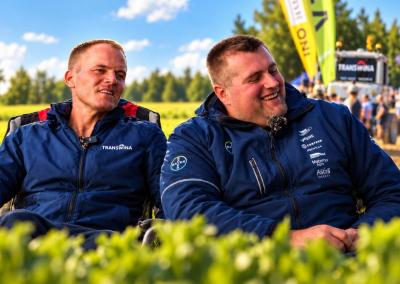
Lithuania is preparing a new shipment of genetic resources to Norway. The State Forest Service (SFS), which is responsible for the conservation of Lithuania's plant genetic resources, was visited by „NordGen“, a representative of the Nordic Centre for Genetic Resources „NordGen“ and Åsmund Asdal – a well-known Norwegian biologist working in the global field of seed protection and genetic resources conservation.
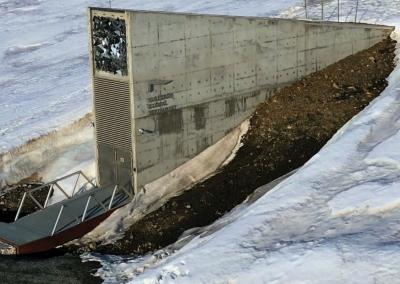
He represents „NordGen“ and manages the famous „World Seed Bunker“ – the Svalbard Global Seed Vault, located on the Norwegian Arctic archipelago. This repository holds spare collections of seeds and other genetic resources to be used in the recovery of plant species destroyed by natural disasters, wars or other calamities.
The Norwegian guest was interested in the activities of the VMT genebank, the more than 3,500 samples of seeds of our country's target plants, and was particularly interested in the genetic material of Lithuanian forest trees. Asdal pointed out that not many countries have forest tree seeds stored. At the same time, the collection of the Forest Genetic Resources Division of the MoF has close to 2,000 of these specimens.
The MoEW and „NordGen“ have signed an agreement under which seeds of 203 species of Lithuania's most valuable plant and forest tree genetic resources are protected in Svalbard. A new shipment of seeds from Lithuania is scheduled to be sent to the Norwegian archipelago in October this year.
„The Svalbard repository is only opened 4 times a year – to replenish seed collections“, said Milda Orentienė, Chief Specialist of the Forest Genetic Resources Division of the MoF. Seeds are living organisms with a finite shelf life, she said. Sooner or later, seeds lose their viability. That is why collections held in a global repository need to be renewed periodically.
The laboratory of the Forest Genetic Resources Division of the MoARD holds seeds that have been backed up and sent to Svalbard. These seeds are analysed by specialists every 5 years. This allows an assessment of the state of the seeds in the global repository.
„We are currently preparing a new shipment of seeds for the Svalbard repository, and it's time to update the collections," said Ms Orentien. For example, spruce or pine seeds can be kept at low temperatures for 20 years or more, while the longest storage period ever achieved for oak acorns is just two years.

Similar articles

Video