

















Vaccination against bluetongue is available on organic farms - with reimbursement
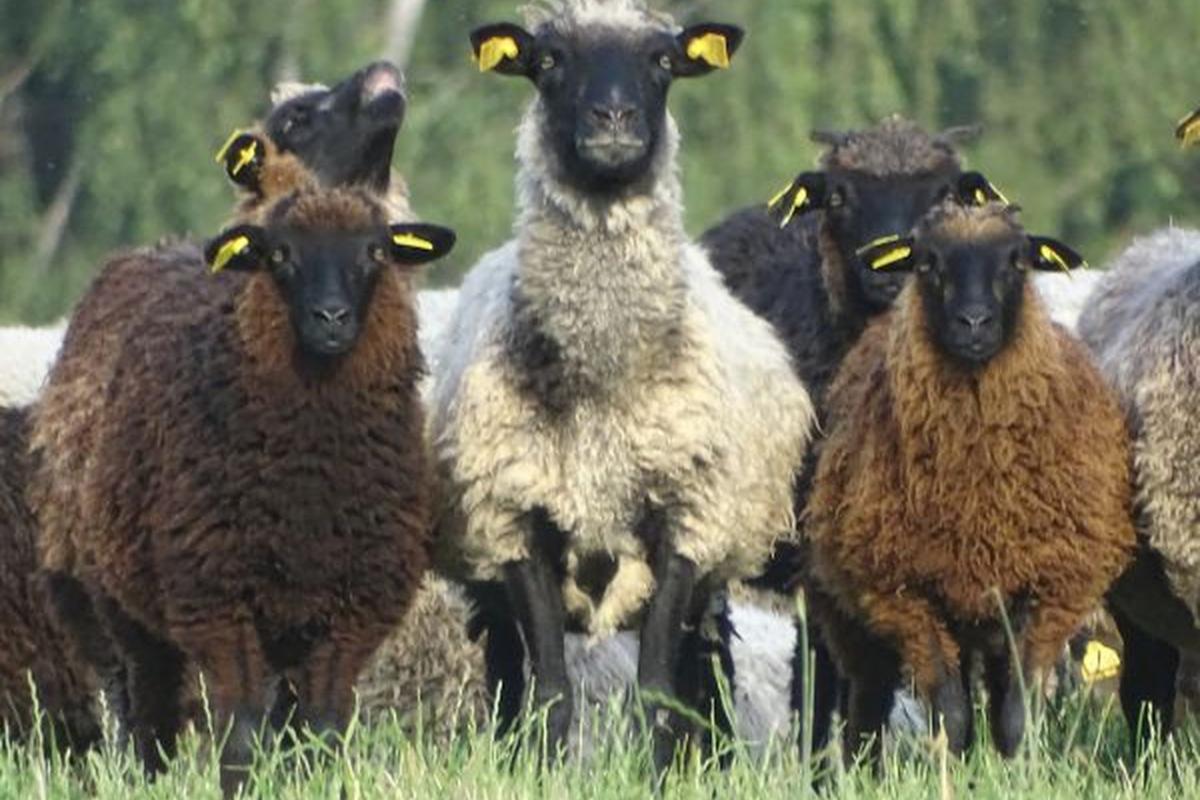
Livestock farmers can rest assured that vaccination against bluetongue (MLD) is available on organic farms and does not have negative consequences for the organic status of the farm. The Ministry of Agriculture has also provided for compensation for vaccinating sheep.
There is still a misconception among farmers that vaccination is not allowed on organic farms, but this is not in line with current legislation – disease prevention measures are allowed and necessary. Vaccination of livestock is considered as a preventive measure for animal health and is therefore in line with the principles of organic production as long as vaccines registered in Lithuania are used.
In our country, in 2025, MLD was detected in cattle farms in the municipalities of Marijampolė and Pagėgiai, in the districts of Kelme, Mažeikiai, Prienai, Skuodo, Tauragė and Vilkaviškis. Virus serotype 3 has been detected and the whole country is therefore considered as an infected zone where vaccination can be applied.
Vaccination is today the main and most effective means to protect herds from the spread of bluetongue and potential economic losses, and animal health and disease prevention must be a priority on all farms. As there is no specific treatment for the disease, prevention, in particular vaccination, is considered an essential tool for disease management.
Specialists also remind us that additional biosecurity measures can and should be used on organic farms, such as the use of special disinfectant mats filled with an authorised biocidal agent at the entrances to animal housing areas (for disinfecting workers' boots).
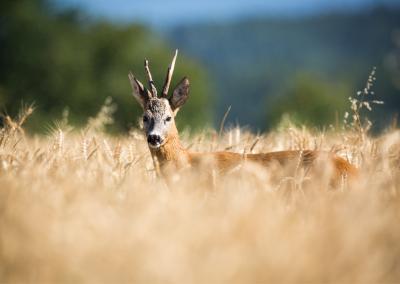
MLD is a viral disease of domestic and wild ruminants spread by insects. Cattle, goats, deer, camels, llamas and alpacas are the most commonly infected, but sheep are the most seriously affected. As a result of animal health problems, reduced productivity and trade restrictions, FMD can cause significant economic losses. It is classified as an EU regulated disease with voluntary vaccination programmes to limit its spread.
Information on available vaccines and farm chemicals can be found here.
Compensation is available
The sheep keeper is reimbursed €2.5 per sheep vaccination (one injection of the vaccine). If, according to the schedule of the veterinary medicinal product (vaccine), the vaccination must be carried out twice with a fixed interval, the reimbursement shall be paid for a maximum of two actual vaccinations per ewe, up to a maximum of EUR 5 per ewe.

Similar articles

Video