











































































Farmers worry about rising fertiliser and fuel prices

Farmers in the Pasvalys district say that their crops have not suffered any major losses this winter, but the main concern at the moment is the significant increase in the price of fuel and fertilisers.
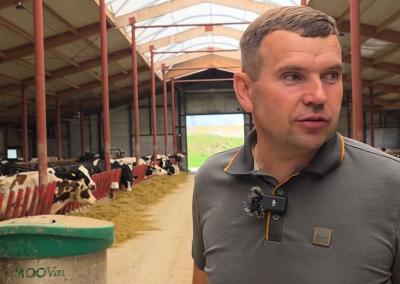
Lina Židonienė, chairwoman of the Pasvalys branch of the Lithuanian Farmers' Union, commented that the cold and snowy winter did not bring any major losses for farmers in the region, and did not harm crops.
„Wheat and oilseed rape had a really good winter. Of course, there are different situations, especially for those who sowed their fields later due to unfavourable weather conditions, as the autumn was extremely wet. After the winter flooding, there was no significant flooding in the fields and the puddles shrunk quickly due to the lack of rain. Nature has not presented any particular challenges so far. However, the most worrying factor at the moment is the significant increase in fuel and fertiliser prices. This will be one of the biggest challenges and problems as costs are rising and grain purchase prices are not rising – they are certainly low enough compared to the future costs. It will be a difficult year for farmers in this respect. If nature takes its toll, the government certainly won't," says L. Židonienė, chairwoman of the Pasvalys branch of the Farmers' Union.
From 1 January this year, the Border Carbon Adjustment Mechanism (CBAM) tax on fertilisers has been introduced, which is expected to cause millions of euros in losses for farmers. The CBAM is one of the most ambitious climate policy instruments of the European Union, but its implementation in the fertiliser sector raises serious questions.
Fertilisers account for up to a third of farm inputs, so their high cost directly affects the entire food production chain. Increasing inputs increase the cost of cereal production, feed prices, the cost of livestock production and, in the long run, food prices for consumers.

Similar articles




Video