













































































A surplus of millions of tonnes of potatoes pushes Polish and Lithuanian farms into the abyss
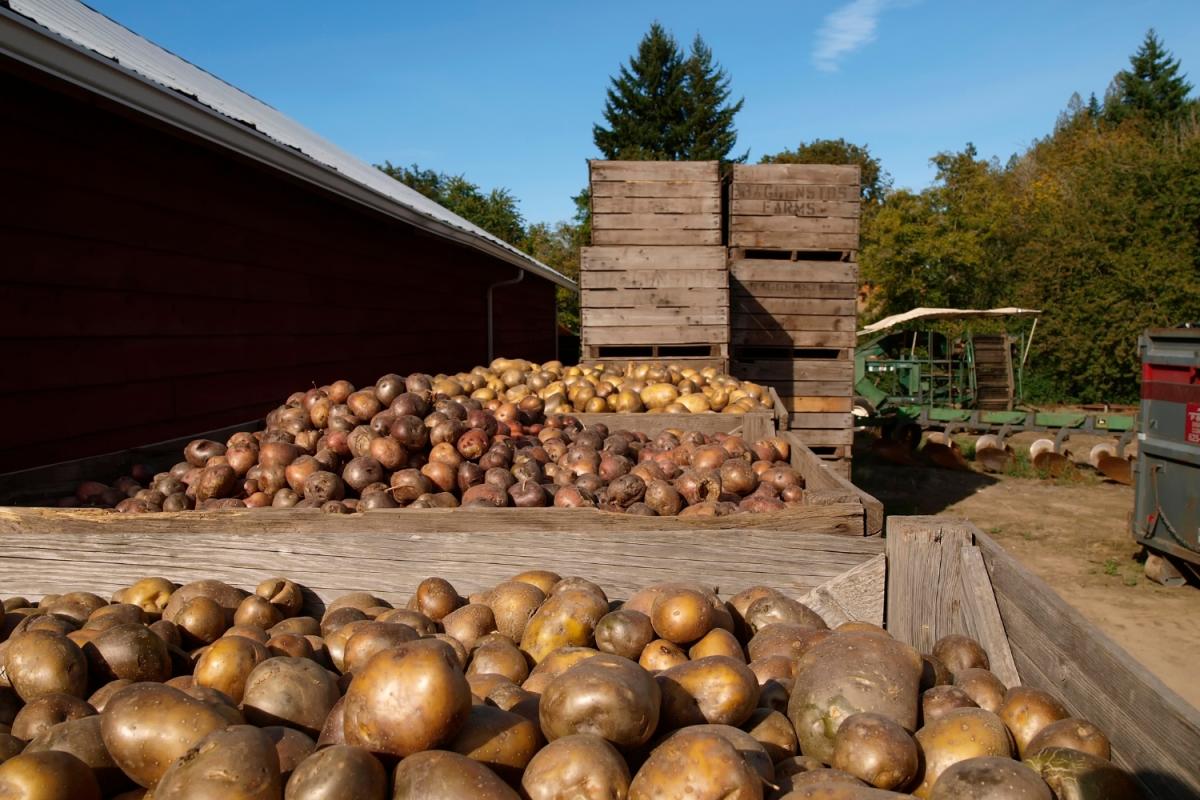
Lithuania's potato sector, like Lithuania's, is facing one of the worst crises in decades, with a market glut threatening to wipe out entire farms.
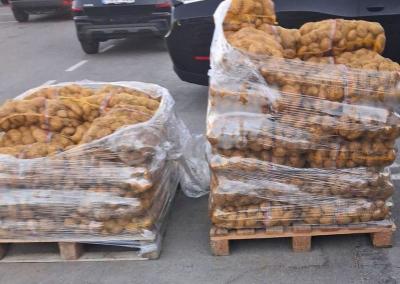
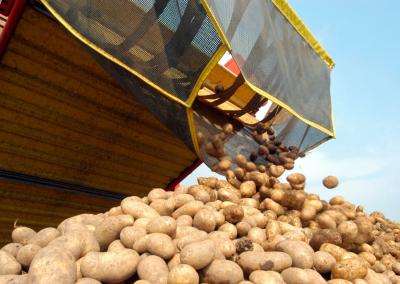
Recent figures show that between 700,000 and even 1 million tonnes of unsold potatoes are currently in storage, posing a real threat of bankruptcy for many farmers.
The situation is further complicated by a Europe-wide surplus of around 3.3 million tonnes in the big four countries (the Netherlands, Belgium, Germany and France) alone, putting pressure on prices across the continent.
The crisis in Poland and Lithuania has been strongly influenced by increased imports of potatoes from other EU countries.
In some cases, prices have fallen to the point where farming is no longer profitable, and in some parts of Europe, farmers are even giving away their produce for free or paying for its disposal. This shows that the market is no longer able to absorb the oversupply.
Paradoxically, the crisis is partly due to good harvests. In Poland, the potato harvest was around 7 million tonnes, a fifth more than the previous year. At the same time, however, consumption is declining – per capita potato consumption has fallen significantly over the past few decades as dietary habits change. This means that the domestic market is no longer able to absorb this volume of production and export opportunities remain limited.
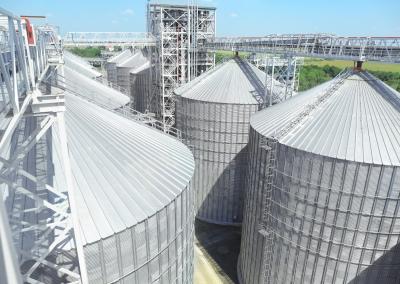
The crisis also reveals structural problems such as inadequate storage infrastructure, dependence on marketing networks and weak integration of the processing sector.
In response to the situation, the Polish authorities are planning investments of around 41 million zlotys (around €9-10 million) in storage infrastructure alone, with a potential of over €1 billion in wider support measures. However, economists stress that financial aid alone will not solve the problem unless supply and demand are balanced across Europe.
This situation has wider implications for the region. Poland is one of Europe's largest potato producers and its market fluctuations affect neighbouring countries, including Lithuania. If prices fall in Poland, cheaper production also enters the Lithuanian market, reducing the competitiveness of local farmers. This poses challenges not only economically, but also socially, as farm incomes and jobs in rural areas may be reduced.

Similar articles





Video