













































When potatoes are given away for free: the German surplus threatens Lithuanian growers
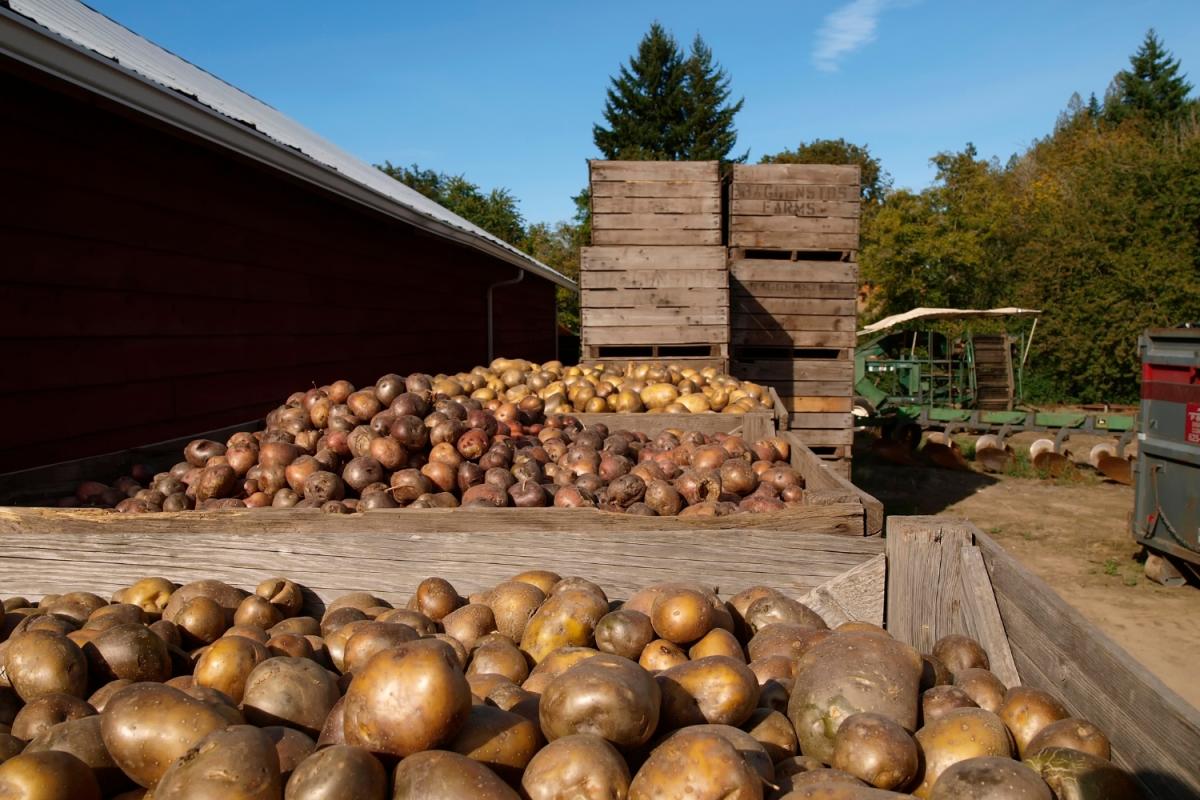
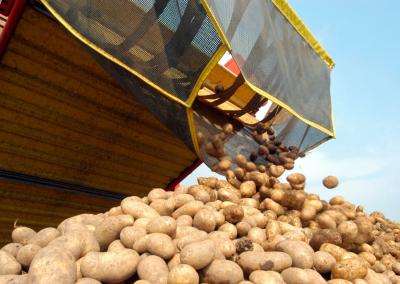
The German potato market experienced a huge harvest glut last week, which market participants and the media called the "Kartoffel-Flut" (potato flood). According to the German Ministry of Agriculture, the national potato harvest in 2025 will be around 13.4 million tonnes, which is 5.3% more than in 2024 and around 17% more than the long-term average yield. This is reportedly the biggest potato harvest in the last 25 years.
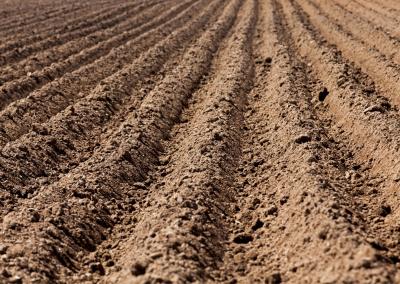
The record potato harvest in Germany is the result of favourable weather conditions and the expansion of the potato production area. In Germany, the area under potato cultivation in 2025 was significantly higher than in 2024. Some farmers have expanded their areas in anticipation of higher demand on foreign markets. However, the domestic consumption market and processing capacity have not kept pace with production growth – even in Europe, the surplus of potato production has reached such a level that even experts are talking about a "potato flood" phenomenon, whereby supply far exceeds demand and the capacity of supply chains.
For these reasons, potato prices in European markets in 2025 have come under severe pressure. For example, prices of early potatoes for processing in north-western Europe have fallen from around €175/tonne at the beginning of the season to well below €270/tonne later in the season.EU average prices in the second quarter were as much as 29% lower than in 2024.This trend has had a strong impact on farmers' incomes and marketability.
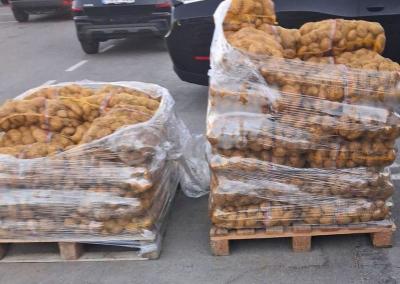
The market glut has become a real problem, with some products not even sold at cost, leaving many in storage. This is what has provoked farmers in recent months to simply give potatoes away. In the Berlin region, adverts have appeared inviting people to come and pick up potatoes for free from the warehouses.
Social organisations have also set up 174 potato distribution points. Of the 4 000 tonnes of surplus potatoes left in one farm's warehouse, around 22 tonnes were donated to food banks, while the rest were distributed to schools, homeless shelters, churches and even a zoo.
The distribution of eggs has become not only a means of reducing surplus losses, but also a real help to people who find it too difficult to afford food. However, some German farmers have criticised the decision, arguing that the massive free distribution of agricultural produce has further depressed potato prices on the market.These developments in Germany have direct consequences for the potato sector in Lithuania. In the EU, potato production in 2025 was abundant, with a total harvest of around 50 million tonnes in the EU Member States, according to the latest EUPPA data. All these volumes mean that supply on the EU markets is very high, leading to both price pressure and increased import pressure on smaller markets, including Lithuania.
In addition, Lithuania itself is at a severe disadvantage in terms of making potato farms more profitable from 2025. For example, potato growers operating under the National Quality Product (NQP) scheme are obliged to buy 30% certified seed, which represents a significant cost for growers who prefer to work in the conventional potato market rather than spend tens of thousands of euros to make their situation even worse. The Lithuanian potato sector tends to focus on the domestic market and exports to neighbouring EU countries.
The final negative impact on the Lithuanian potato industry in this case is twofold: the falling purchase price of potatoes reduces farmers' incomes, and the oversupply on the EU market also reduces the competitive advantage on the Lithuanian domestic market. These conditions increase uncertainty about investment in the potato sector, reduce the profitability of storage and force farmers to decide on their future – to continue growing potatoes, to change direction or to simply leave farming.

Similar articles



Video