










Europe cannot be strategically strong without strong agriculture
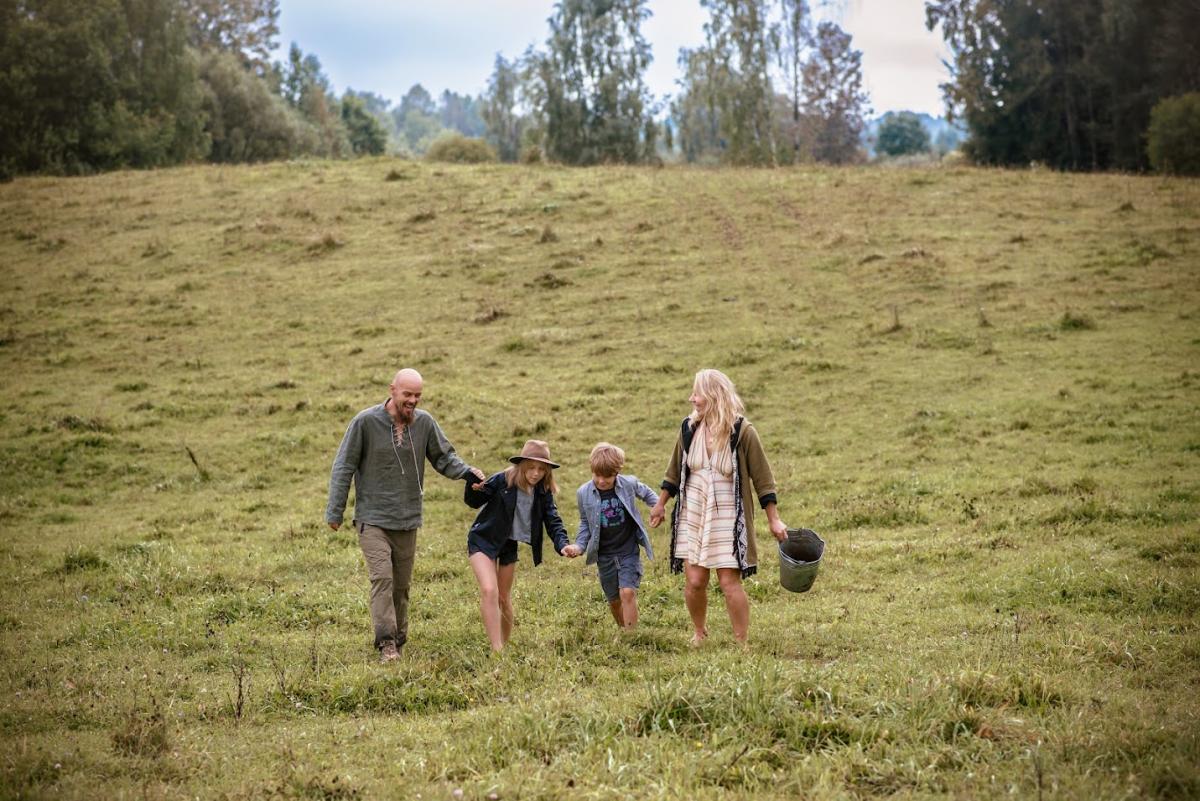
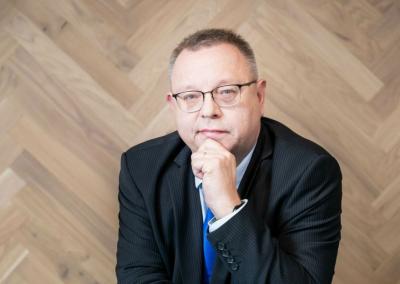
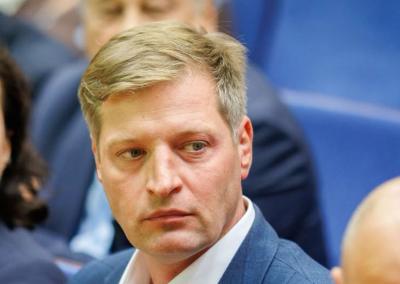
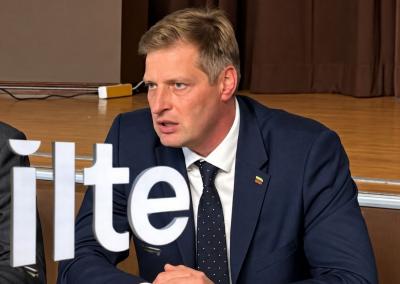
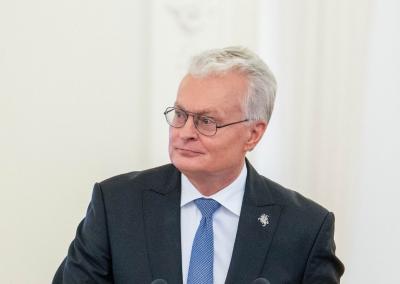
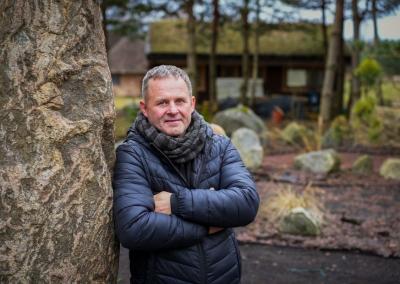
Interview with Algimanta Pabedinskienė, President of the Lithuanian Chamber of Agriculture
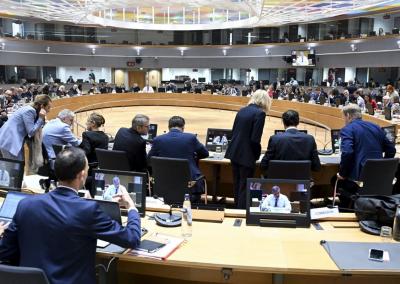
Ahead of the European Council meeting on 19–20 March, organisations representing European farmers have called on Council President António Costa to ensure a strong Common Agricultural Policy in the context of Europe's strategic resilience. We talk to Algimanta Pabedinskiene, President of the Lithuanian Chamber of Agriculture, about the significance of this appeal and the role of agriculture in the current geopolitical context.
Recently, European farmers' organisations addressed the President of the European Council. Why is this appeal so important now?
Europe is currently facing a very complex geopolitical situation. The war in Ukraine, the instability in the Middle East, including the conflicts over Iran, show that Europe needs to strengthen its strategic autonomy. We are talking about energy, raw materials, security, but we also need to talk about food security.
That is why European farmers' self-management organisations, including the Lithuanian Chamber of Agriculture, have appealed to the President of the European Council, António Costa, to urge European leaders not to forget agriculture when dealing with security and competitiveness issues. Without a strong agricultural sector, Europe cannot be strategically resilient.
Can we say that agriculture is becoming part of strategic security?
No doubt. Food security is one component of strategic resilience. Recent years have made it clear that supply chains can be disrupted, energy prices can skyrocket and geopolitical conflicts can have a direct impact on food production.
A strong, competitive and viable agriculture is therefore essential. This is not only important for farmers – it is important for everyone in Europe. Europe needs to ensure that its citizens are provided with safe and quality food and that rural regions remain viable.
What is the main message that farmers' organisations are sending to the European Council?
The most important message is that a strategic debate on the financing and structure of the future Common Agricultural Policy must be launched as soon as possible.
We are talking about two key issues: the future multiannual financial framework for 2028-2034 and the architecture of the Common Agricultural Policy after 2027. These are decisions that will have a lasting impact on the entire European agricultural sector.
The European Commission has now made proposals for these policies, but they have not yet been discussed at the highest political level. A European Council debate is therefore essential.
Why are farmers worried about funding?
There is considerable concern about the proposed cut of around 22% in agricultural funding in the Multiannual Financial Framework for 2028–2034. However, when the impact of inflation is taken into account, the real reduction in support could be even higher – by some estimates as much as more than 50 per cent.
This raises very serious questions. If we want a strong, competitive and modernising agriculture, funding must be stable and sufficient.
How are farmers affected by geopolitical developments?
Geopolitical conflicts have a direct impact on agriculture. For example, rising oil and gas prices increase the cost of fertilisers, fuel, transport and other inputs. This means higher costs for farmers and less competitiveness. When at the same time funding is cut, it becomes very difficult for farmers to plan for investment, modernisation or even to maintain the viability of their farms. What solutions do you expect from European leaders? We expect a clear strategic direction. The European Council must recognise that a strong Common Agricultural Policy is essential for Europe's food security, for the viability of rural regions and for the economic resilience of Europe as a whole. Today, in an increasingly unstable world, investing in agriculture is investing in Europe's security. What role do you see for farmers' organisations in this process? Farmer organisations are an important partner in the dialogue. We represent the interests of farmers and can provide real information on the situation in the sector. We are ready to engage constructively with the European institutions and contribute to the debate on the future of European agriculture. Our aim is to ensure that decisions are taken in a responsible manner and to ensure the long-term viability of the European agricultural sector. Agriculture is not just an economic sector. It is the foundation of Europe's stability, food security and strategic resilience.
Similar articles
Video