
































































Brazil opens the way for egg exports to the EU: the country takes control
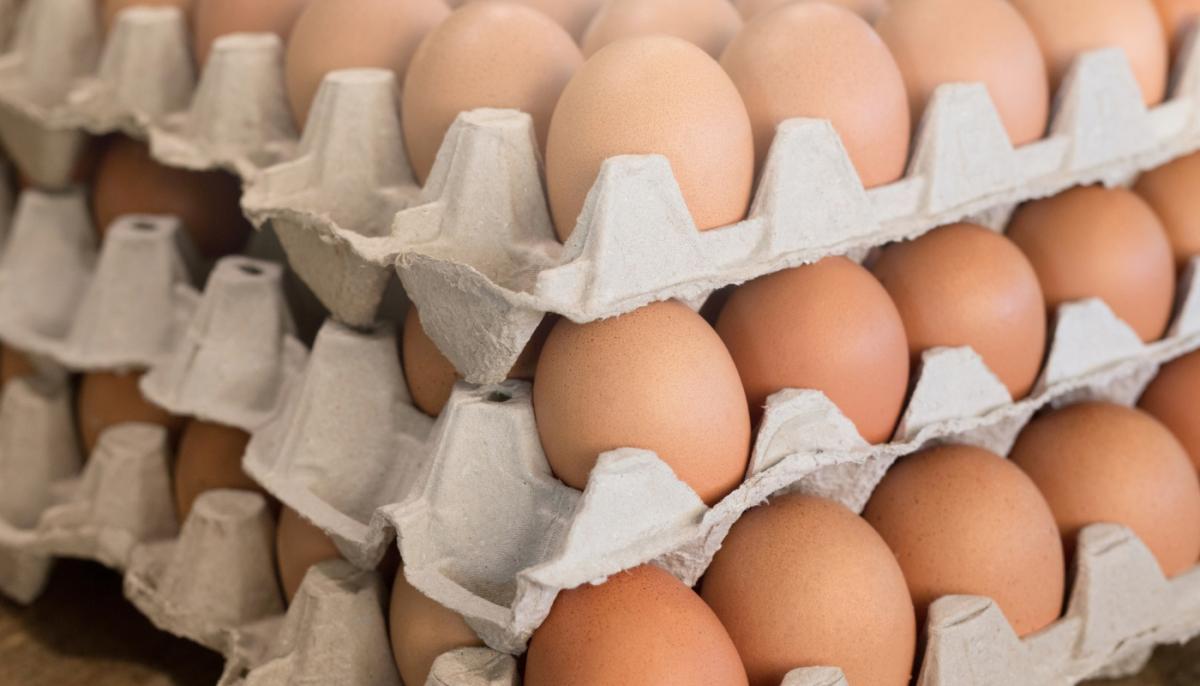
In recent months, the European poultry sector has faced a new structural change that could have long-term consequences for the egg market. Brazil, one of the world's largest poultry producers, has already practically opened its market to the EU without waiting for the final ratification of the trade agreement between the European Union and Mercosur. This has been done through the so-called "pre-listing" system, whereby the Brazilian authorities themselves select, verify and submit to the European Commission the companies eligible to export eggs and egg products to the European Union.
At the end of 2025, the European Commission officially confirmed that the Brazilian Ministry of Agriculture (MAPA) can reinstate this mechanism, which was suspended back in 2018 following food safety violations. This means that the EU is moving away from direct audits of each exporting company and transferring primary responsibility for their control to Brazil, while retaining the right to carry out additional inspections in cases of risk.
Brazil has already submitted its first list of approved exporters to the EU in December 2025. The companies included „Granja Faria“, „Mantiqueira Alimentos“ and „Ovos Santa Mônica“, which are amongst the largest egg producers in South America. These companies specialise not only in the production of fresh eggs, but also in the supply of egg products – liquid, dried and heat-treated mixtures – to the food industry. With authorisation, these products can be supplied to the processing, confectionery and catering sectors in the EU.
According to the Brazilian Poultry Association ABPA, the country's exports of eggs and egg products in 2025 amounted to around 40.9 thousand tonnes, more than double the previous year's figure. While most of this volume is marketed in the USA, Japan and Middle Eastern countries, the technical authorisation to export to the EU allows for future trade flows to expand towards Europe.
At the same time, EU imports of eggs from third countries are already showing an upward trend. According to Eurostat data, the EU imported more than 154,000 tonnes of eggs and egg products in January/October 2025, up by around 65% compared to the same period a year earlier. Although Brazil's share of these imports remains relatively low for the time being, the "pre-listing" mechanism creates the conditions for this proportion to change rapidly.
Brazil's competitive advantage is based on lower production costs. Its feed costs and labour costs are significantly lower than in the EU and its animal welfare and environmental requirements are less stringent than in the EU. This allows Brazilian producers to offer egg products at a price that is becoming increasingly difficult for European farmers to compete with.
The National Data Agency estimates that Lithuania produces around 800–900 million eggs per year and that there are just over 20 larger commercial poultry farms in the sector. In recent years, feed prices have significantly increased their cost – in 2022– 2024, wheat and compound feed prices have exceeded €300/tonne in some periods. This has been compounded by increased costs for electricity, wages and investment in the conversion of poultry housing systems to EU animal welfare requirements.
The Lithuanian Poultry Breeders' Association estimates that the transition to stricter housing standards alone could cost the sector tens of millions of euros in the coming years. Domestically, egg prices remain highly sensitive to imports, especially in the egg product segment, which is widely used in the food industry. It is in this segment that Brazilian products could become a direct competitor for Lithuanian producers.
Although the "pre-listing" system requires exporting companies to comply with EU sanitary requirements, farmers' organisations point out that the self-monitoring model raises additional questions regarding the intensity of supervision and the level playing field. This aspect is particularly relevant in the wider context of trade liberalisation and geopolitical decisions.
Brazil's decision shows that competition in the global agricultural market is increasingly moving from political declarations to technical solutions. Even before the final ratification of the EU-Mercosur agreement, Brazil has already established real access to the European market. This means that EU Member States, including Lithuania, have to reassess not only the overall direction of trade policy, but also the means to strengthen the competitiveness of national agricultural sectors and manage risks in the long term.
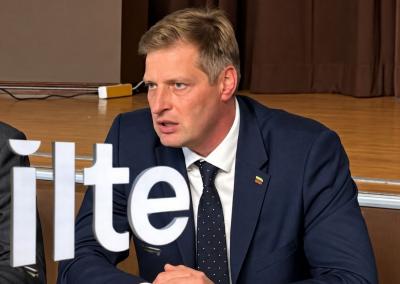
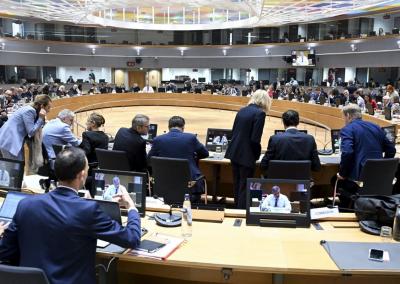
„Agrobitė“ recalls that the certificate signed by the Minister of Agriculture Andrius Palionis in November 2025 to the Committee on European Affairs actually expressed Lithuania's support for the political direction of the EU–Mercosur agreement, which was approved in December 2025. This decision forms part of a wider debate on how to reconcile Europe's common trade policy with the interests of national agricultural sectors.

Similar articles



Video