
































From a $63 billion deal to a legal marathon: no end in sight for Bayer and the glyphosate crisis
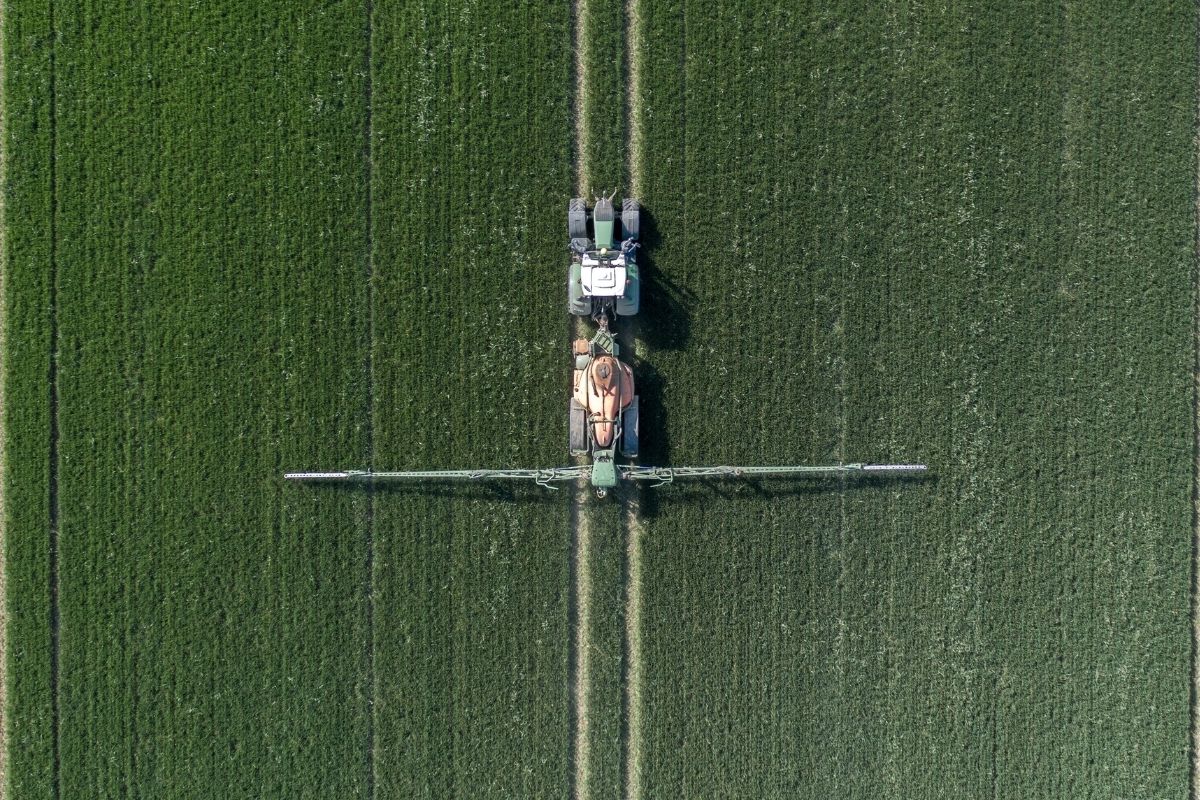
One of the world's largest agrochemical litigations continues to get more expensive. Bayer Bayer, which acquired Monsanto for USD 63 billion (about €53.4 billion) in 63 years, is proposing to award up to USD 7.25 billion (about €53.4 billion) in damages to Monsanto for its acquisition of Bayer. The US is also seeking additional funds of USD 7.5 billion (around EUR 6.15 billion) to settle ongoing US lawsuits over the possible link between the herbicide Roundup and its active ingredient glyphosate and non-Hodgkin's lymphoma.
This proposal would be in addition to the reserves already built up and the compensation already paid out, which, according to various estimates, already exceeds EUR 9.6 billion. The number of reserves and reimbursements is estimated at USD 8.14 billion (around EUR 8.14 billion).The scale of the dispute remains enormous. Since the first high-profile court decisions in 2018, the number of cases has risen to over 100. More than 100,000 lawsuits have been filed in the US since the first major court rulings in 2018.
Some of these have already been settled by settlement agreements, but thousands of cases are still awaiting final resolution. The latest proposal is to create a long-term reimbursement mechanism that will last for another 15 to 20 years, given that the latency period for cancer diseases can sometimes be as long as several decades.
In individual cases, benefits can exceed $150,000 (about €127,000), depending on the severity of the disease and the evidence base.
The financial burden has a direct impact on a company's balance sheet. The total costs and reserves for glyphosate-related litigation are already approaching the €12 billion mark. This not only complicates investment plans but also puts pressure on the share price – after the acquisition of „Monsanto“, „Bayer“ has seen its market capitalization significantly reduced, and investors are critical of the long term legal risks. Analysts note that even a multi-billion euro additional cost could have a tangible impact on dividend policy and debt levels.
The legal debate remains mixed. Bayer argues that US federal pesticide labelling requirements should take precedence over individual state laws, and that additional warnings on labels were therefore not mandatory.
If the US Supreme Court were to agree with this position, some future lawsuits could be dismissed. But so far, lower courts have awarded hundreds of millions of dollars in damages in some cases, which have since been reduced on appeal.
The scientific community is not united either. The International Agency for Research on Cancer (IARC), under the auspices of the WHO, classified glyphosate as "probably carcinogenic" in 2015, while the US Environmental Protection Agency (EPA) and the European Food Safety Authority (EFSA) have both indicated that glyphosate should not present a carcinogenic risk at the established use levels.
In 2023, the European Union extended the authorisation of glyphosate for a further 10 years, indicating that regulators in Europe do not yet see sufficient grounds for a total ban.
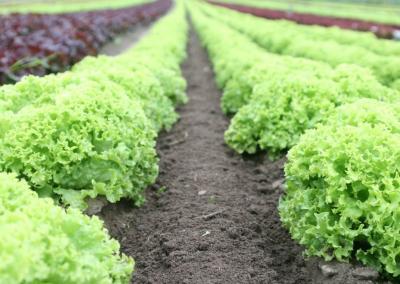
Glyphosate is one of the most widely used herbicides in the world, with hundreds of thousands of tonnes used annually and products containing this active ingredient used in more than 140 countries.
USA is one of the most popular weed control products in both professional agriculture and amateur horticulture. As a result, any legislative or regulatory decisions have a global economic impact, from farmers' costs to the food price chain.

Similar articles




Video