




































The most popular captive animals are fallow deer
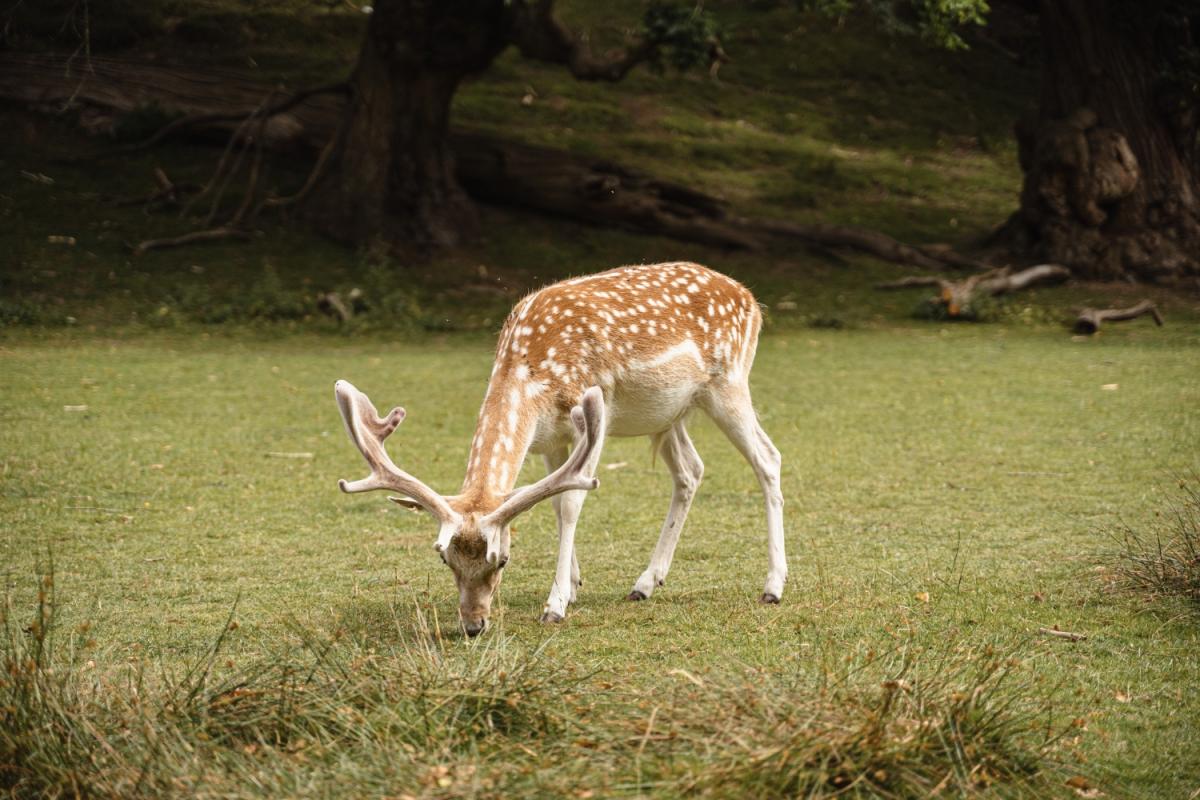
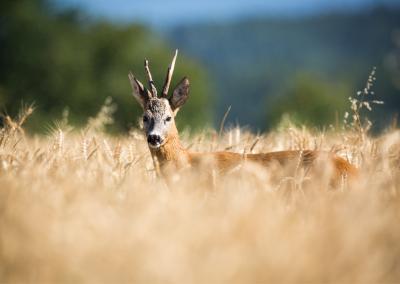
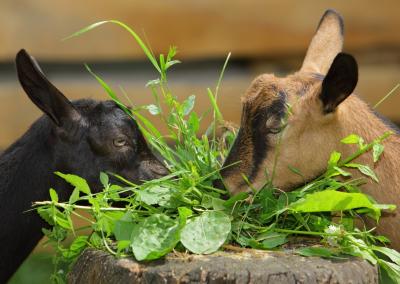
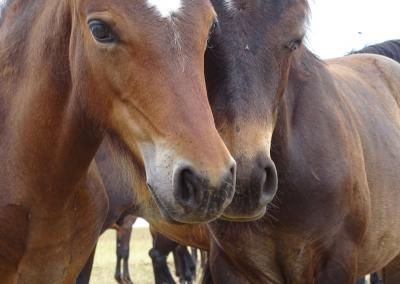
The most popular captive wild animals in Lithuania are fallow deer. According to the data of the Department of Environmental Protection, 18 699 of them were kept last year. This is followed by red deer (8,698), spotted deer (1,485), while pheasants (63) and pine martens (27) are the most commonly kept wild birds.
The Ministry of the Environment reminds us that, in most cases, the keeping of wild animals in captivity requires a permit from the Environmental Protection Agency. Such permits are not required for the keeping of domesticated animals. More information on the permit procedure can be found here.Animals kept in captivity must be provided with conditions that are as close as possible to their natural habitat according to the needs of the species: appropriate temperature, humidity, lighting, enrichment, etc. It is also important to provide them with spaces that are protected from stress factors (sun, rain, draughts, etc.) and to maintain a hygienic environment.
Veterinary care, feeding with complete and species-appropriate feed is mandatory. The animals must be physically and emotionally comfortable: free from pain, stress and fear. For more information for wildlife keepers, see the Environmental Protection Department's (EPD) memo "Procedures for Keeping Wild Animals in Captivity"
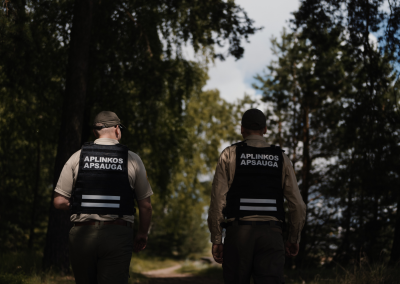
.2025. AAD specialists seized 289 wild animals for violation of the legislation on the use of wild animals, and 140 administrative offences were detected for violation of the legislation on the use of wild animal resources or protected species.
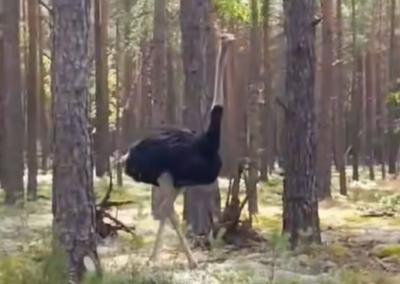
In recent years, the number of infringements has been on the rise, as the public has been active in reporting infringements. On the other hand, there are still cases where people lack knowledge about the animals kept, especially exotic animals, or do not realise that only species of wild animals that are not included in the list of prohibited species may be kept.
It should be noted that every year, by 10 January, the European Parliament and the Council are obliged to adopt a policy on the protection of wild animals. residents must submit a report to the Department of Environmental Protection on wild animals kept in enclosures, aviaries or other structures every January.

Similar articles
Video